

On this page
In a folding container house, the right shutdown routine depends on the installed equipment, local weather and how long the home will be unused. Collect the instructions for water, hot water, electrical equipment and ventilation before leaving. Decide which services should remain operating and which should be isolated, with suitable advice for the actual installation.
Remove food waste, clean wet areas and let textiles dry. Arrange a trusted check where appropriate, especially if weather or service interruptions could affect the building. Do not simply seal every opening and assume the room will stay dry. Keep a record of the settings and isolation steps so restarting is straightforward. If the room is a seasonal stay, a short written checklist inside the handover folder can prevent repeated uncertainty each time it is closed for a period.
Work through departure in order: remove waste, clean wet areas, dry textiles and follow the installed equipment's shutdown instructions. Record any settings which will matter when the room is reopened. A seasonal home can be easier to manage when this is a short repeatable routine rather than a memory test at the end of every stay.
Consider the local weather and the length of the absence with suitable advice. Some equipment or ventilation may need a particular operating state, so do not assume everything should simply be switched off and sealed. Arrange appropriate checks where needed. Leave the relevant instructions and contacts easy to find. Preparing an empty room is about preserving its intended conditions and making the next restart understandable, not merely making the interior look tidy before locking the door.
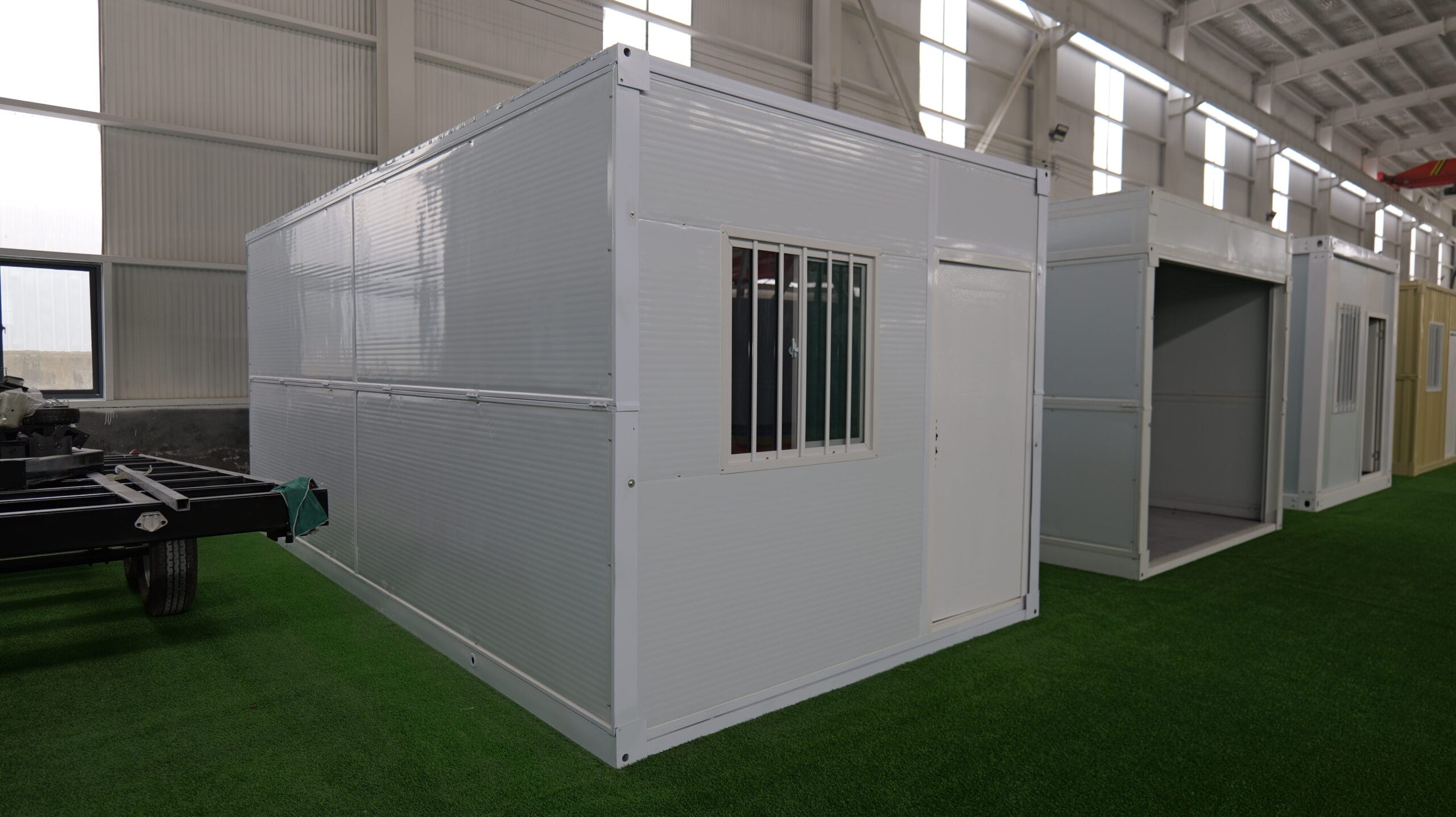
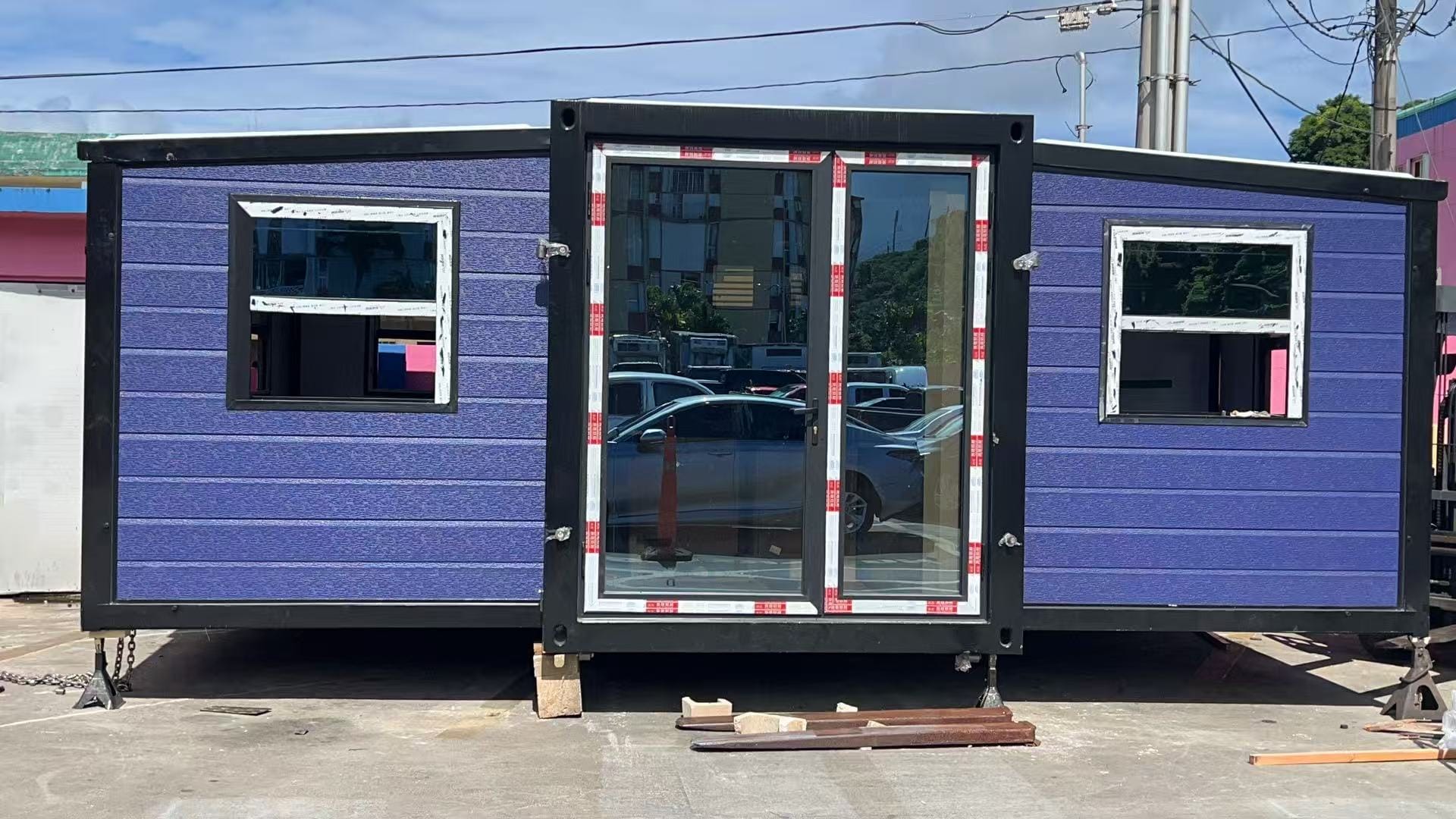
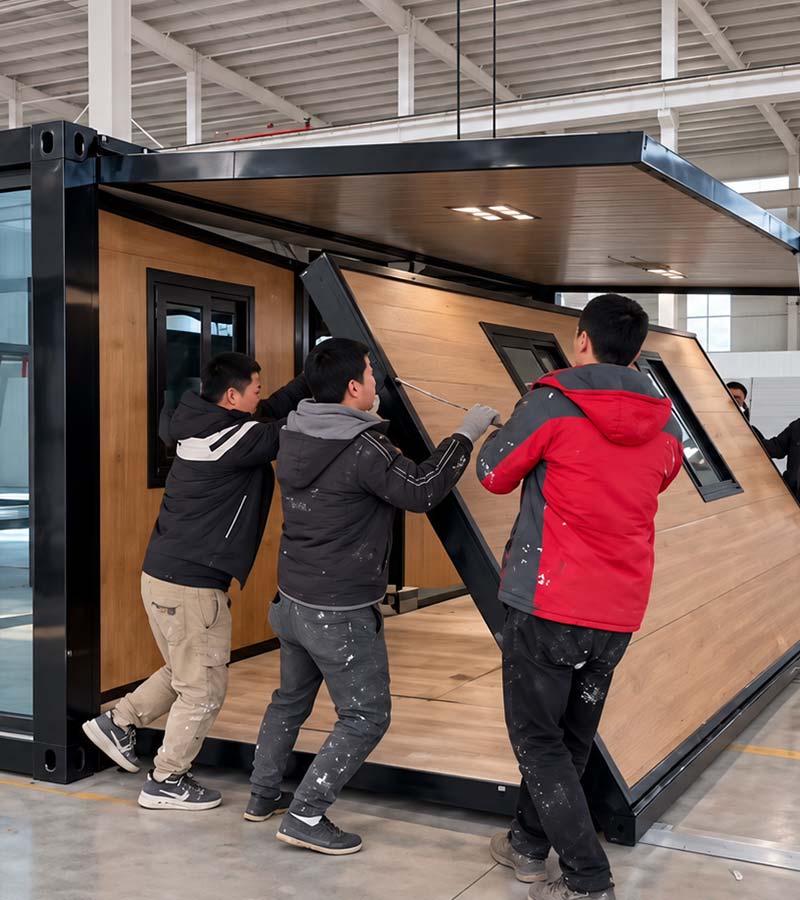
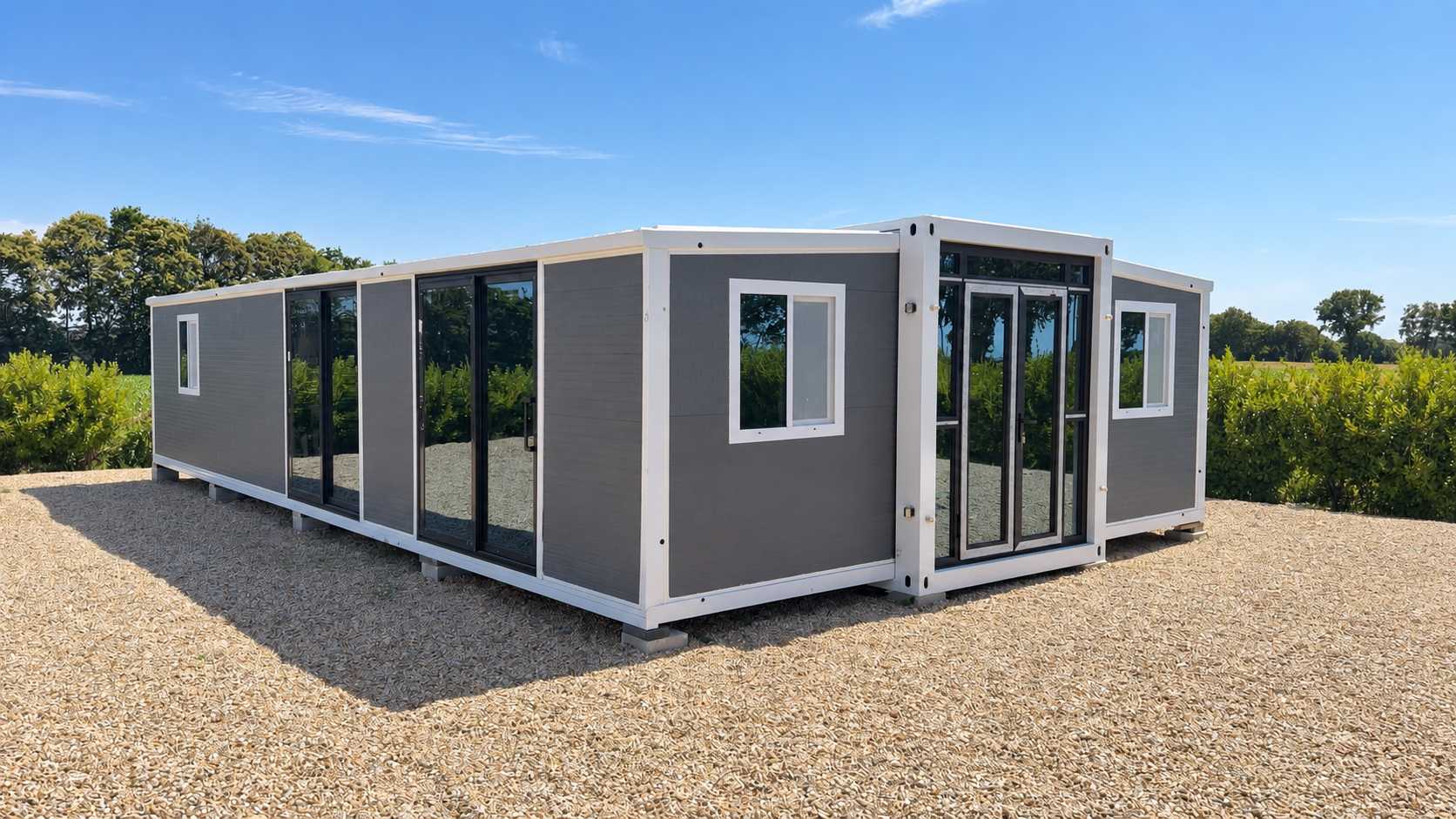
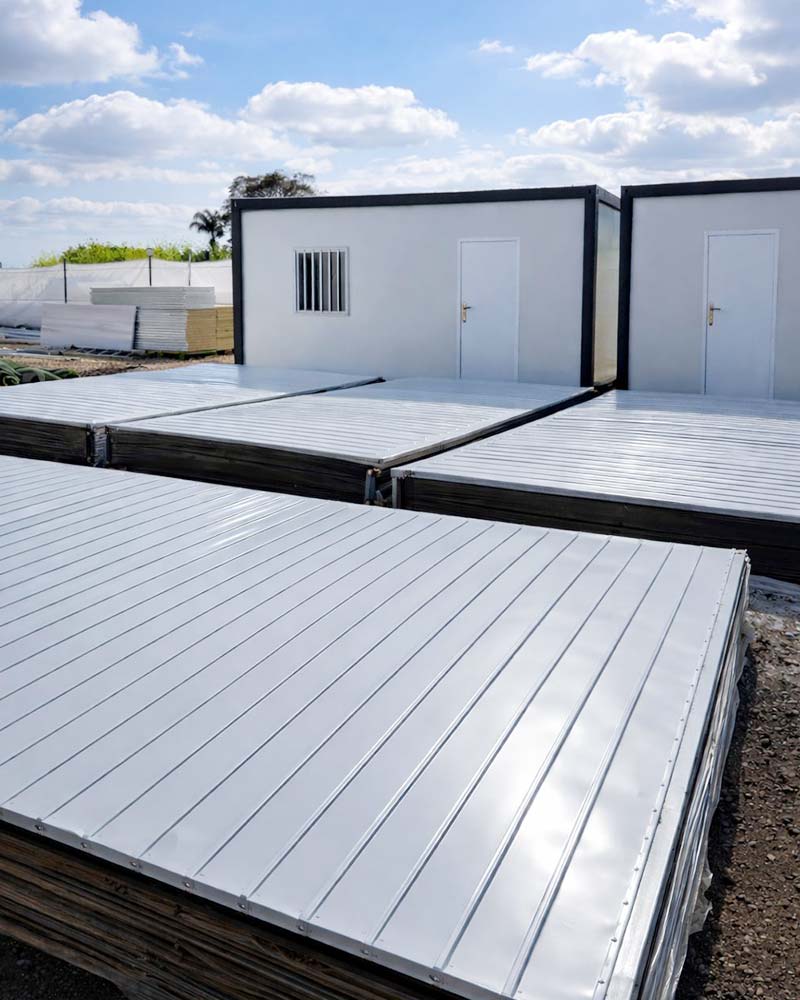
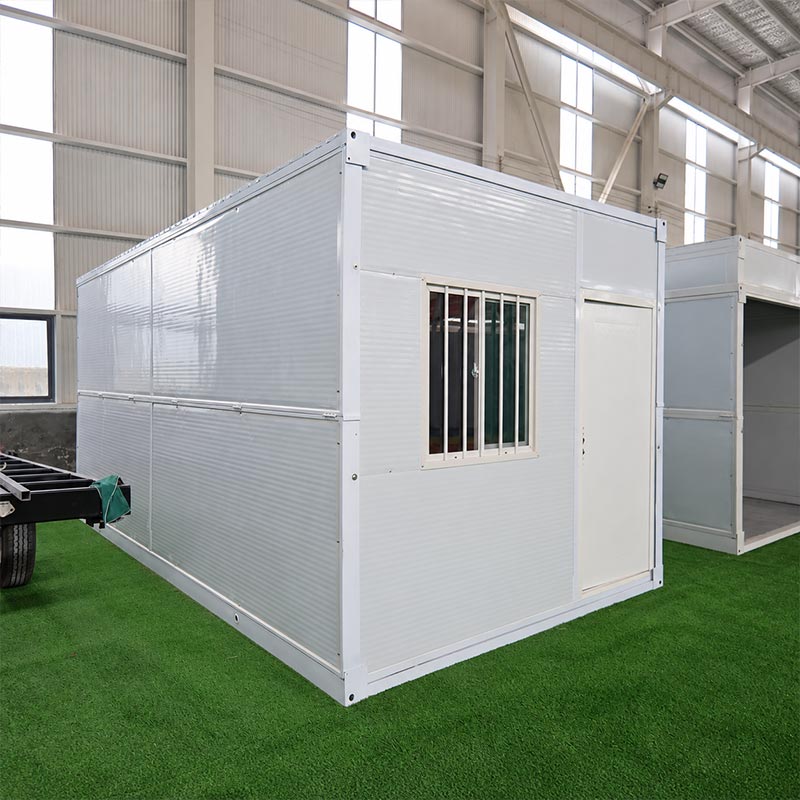
The folding format is delivered in a compressed transport state and set up for use at the site. Its transport depth should not be mistaken for the dimensions of the finished room. The Folding Container House page is a useful place to compare the actual configuration.
Build a Cleaning Routine That Takes Little Effort
Reduce the number of obstacles before buying more cleaning products. A floor which can be reached without moving several loose items is easier to maintain. Give bags, shoes and charging leads a place above or beside the main walking route. Choose furniture with access underneath or a closed base which suits the floor and cleaning method.
Work from the areas which collect dirt fastest: the entrance, cooking surface, bathroom and places where pets rest. Keep a modest cleaning kit nearby and use products suitable for the actual finishes. Check manufacturer guidance before using steam, strong solvents or abrasive pads. Regular light care is usually easier to sustain than an ambitious occasional deep clean. Leave access to windows, vents and service panels so cleaning and inspection do not require dismantling furniture or moving heavy storage.
Leave Some Storage Empty for the Occupant
Display objects can make a photo attractive while consuming the shelves visitors or occupants need. Reserve genuinely usable space for clothing, toiletries and a few personal items. A partially empty cupboard can be more welcoming than a completely styled one. In shared or guest accommodation, make the available areas obvious. This avoids the common situation in which the room appears to have ample storage but every useful drawer is already filled with supplies or decoration.
Write Down the Exclusions as Carefully as the Inclusions
An exclusion is a task which still needs an owner, not just a footnote under the price. If unloading, site connections or local furnishings are outside the supply, record who will arrange them and when. Keep unavailable costs unconfirmed rather than hiding them in a reassuring total. The comparison becomes clearer when each proposal uses the same scope. This is useful for household planning as well as for larger projects, because the room must function after every separate package has arrived.
Understand Window Condensation Before Making Changes
Water on the inside of a window often comes from humid indoor air meeting a colder surface. Check whether the moisture is indoors, outdoors or between the panes before deciding what it means. Note when it appears and which activities came first. Showering, cooking and drying laundry can all add moisture, but a leak can also leave wet marks that need a different response.
Dry the affected area and improve the everyday moisture routine while investigating the cause. Keep bathroom and kitchen ventilation working, and avoid pressing furniture or stored fabrics tightly against cold corners. A simple humidity reading can make observations more useful, but it does not replace checking the building details. Persistent wet patches, damaged seals or repeated water entry deserve inspection. Adding insulation or sealing gaps without understanding moisture movement can create new problems, so discuss material changes with someone familiar with the wall and roof system.
Reserve a Place for a Full-Size Waste Bin
Bins need usable space for opening, emptying and cleaning. A very small decorative container may lead to overflow, while a large one in a walkway becomes an obstacle. Place the kitchen bin close to preparation without crowding the cooking area. Keep bathroom and outdoor waste arrangements appropriate to the site. Try lifting the liner out in the proposed position. If doing that requires moving furniture or reaching over stored supplies, revise the location.
Plan a Weekend Cabin Around Short Stays
A weekend place should be easy to open, use and close. Keep the arrival routine simple: somewhere for bags, a clear route to the bathroom, a quick meal setup and bedding which can be aired and stored appropriately. A room designed as a permanent household may carry more storage and equipment than a short stay needs.
Think about the time between visits as carefully as the time spent inside. Record service shutdown and restart steps, arrange appropriate checks and choose finishes suited to ordinary cleaning. Outdoor seating may be valuable, but it should not make access or maintenance harder. Avoid planning every visit around perfect weather. A small indoor place to read, eat and dry a coat makes the cabin more useful when a rainy afternoon replaces the outdoor activities you had in mind.
Record Changes After Maintenance
After an agreed repair or adjustment, note what was done and whether the original symptom changes. Use the same observation position or routine where possible. If the issue returns, the record helps support understand its history without repeating the first conversation. Keep altered drawings or equipment details with the original documents. Maintenance becomes more useful when the outcome is recorded, rather than when a message simply says that somebody visited the site.
Keep a Simple Household Observation Log
Write down the time, weather, activity and location when a recurring inconvenience appears. A few clear entries can show whether glare follows afternoon sun, dampness follows showers or noise follows a particular appliance. Do not turn the log into a complicated monitoring project. Its purpose is to make a practical question easier to understand and to help compare the result of an agreed change with the original condition.
Start with these practical observations
- Collect equipment shutdown instructions.
- Dry wet textiles.
- Record settings and arrange appropriate checks.
A simple way to review the decision
Imagine someone using a compact room for a longer temporary stay. On the sketch, show a straightforward single-room arrangement with compact circulation. For this decision, take the first practical check literally: Collect equipment shutdown instructions. Then review dry wet textiles. Finally, record settings and arrange appropriate checks. The exercise is useful only if it includes the belongings and activities normally present, rather than a permanently empty display room.
For a broader explanation, see An overview of prefabricated homes. Use general housing guidance alongside the selected product drawings and advice for the actual site.
For a layout question, compare the available customization options with the routine you want the room to support. Keep the question specific to the selected drawing and the way the space will be used.
How do I prepare a home that will be empty for a while?
Collect equipment shutdown instructions. Dry wet textiles.
What should the layout or specification confirm?
Confirm the actual room arrangement, openings and included equipment on the selected drawing. For this topic, record settings and arrange appropriate checks.
Can I judge this from an exterior photo alone?
A photo can help identify a useful question, but it does not show every dimension, option or site condition. The right shutdown routine depends on the installed equipment, local weather and how long the home will be unused.