



On this page
In an apple cabin, begin with observation before normal use. Look for unusual dampness, odors, pest activity or visible damage from a safe position. Check the approach and entrance after recent weather, then follow the documented restart instructions for the installed services. Do not assume everything is ready simply because the room looked fine when it was closed.
Ventilate as appropriate for conditions and inspect accessible wet areas and fittings. Use qualified help where commissioning or repairs are needed. Check alarms and safety equipment according to their instructions and local requirements. Keep the first visit unhurried enough to deal with a problem before visitors arrive. Note any change in the maintenance record, including the date the home was reopened. A predictable restart routine makes seasonal use easier and helps distinguish a new issue from one already being monitored.
Allow time to look around before unpacking and hosting visitors. Check the approach, visible surfaces and any unusual odor or dampness. Follow the documented restart procedure for services rather than turning everything on without understanding its state after the absence.
Keep relevant safety equipment checks and any necessary commissioning in the plan. If a concern appears, record it and get appropriate help before ordinary use. Ventilate in a way suited to conditions and let the room return to its normal routine. A calm reopening visit can separate an ordinary cleaning task from a maintenance issue and gives you time to resolve it without the pressure of guests waiting at the entrance.
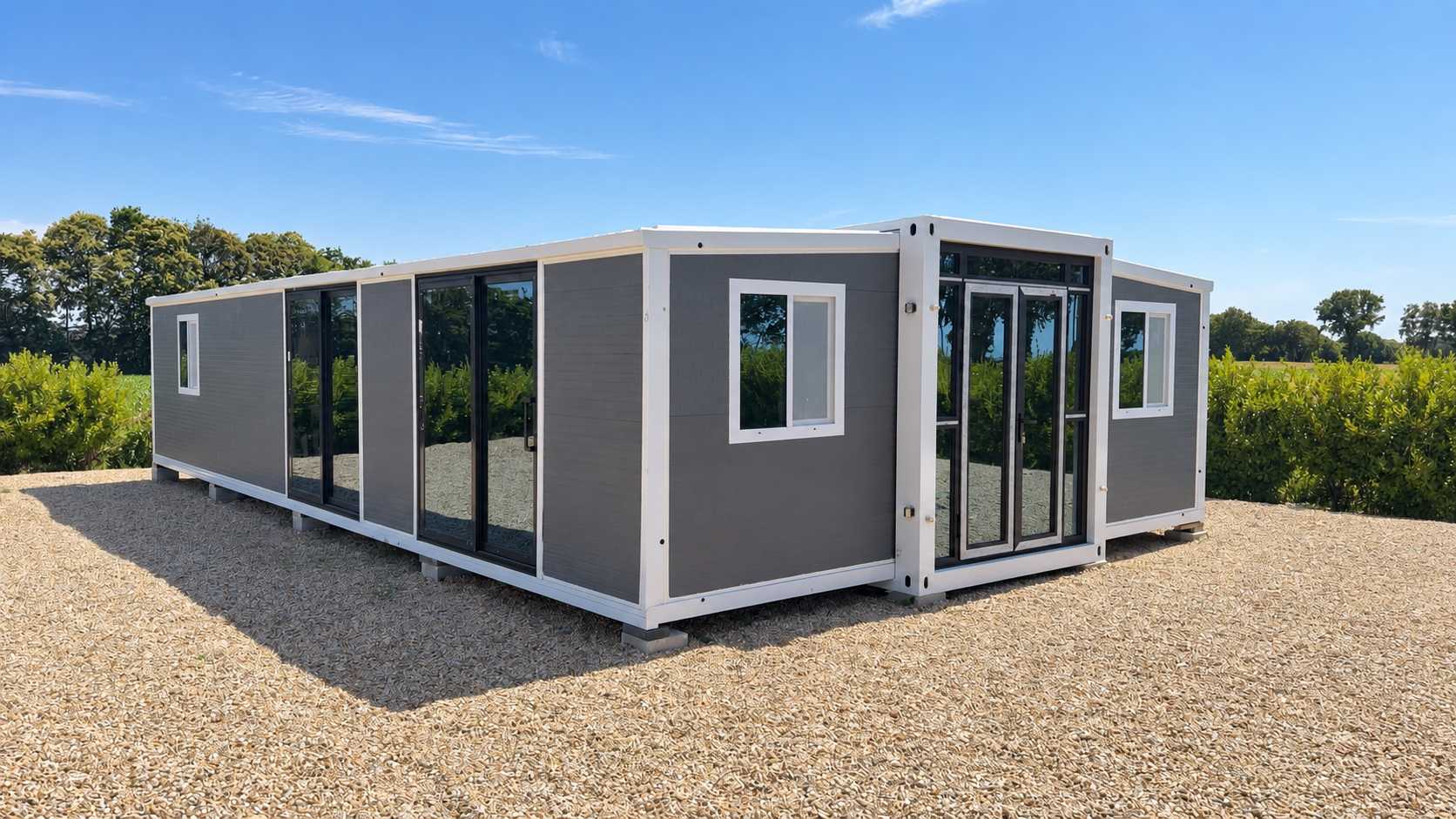
The apple-cabin listing describes a rounded modular pod with substantial glazing and configurable uses. The finished arrangement and supplied equipment need to be checked on the selected drawing. The Apple Cabin Modular Pod House page is a useful place to compare the actual configuration.

Keep Sinks and Wet Areas Easy to Maintain
An easy-care wet area gives water a contained place to land and lets surfaces dry afterward. Keep frequently used products in a small removable tray rather than scattering bottles around every edge. Wipe up standing water and follow the fitting and surface manufacturers' cleaning instructions. Abrasive cleaners can damage some finishes even when the dirt seems stubborn.
Look for areas which are hard to see: behind taps, beneath removable trays and at the edge of a shower screen. Include them in ordinary cleaning before a persistent mark develops. Keep seal lines visible so changes can be noticed. If a surface remains wet when the room has not been used, check for a leak rather than treating it as a cleaning failure. A good storage arrangement allows you to clean without unpacking the entire bathroom or kitchen each time.
Reserve a Place for a Full-Size Waste Bin
Bins need usable space for opening, emptying and cleaning. A very small decorative container may lead to overflow, while a large one in a walkway becomes an obstacle. Place the kitchen bin close to preparation without crowding the cooking area. Keep bathroom and outdoor waste arrangements appropriate to the site. Try lifting the liner out in the proposed position. If doing that requires moving furniture or reaching over stored supplies, revise the location.
Choose a Place for Cleaning Equipment
A broom, vacuum or mop should have a place before move-in, because they are awkward objects to hide afterward. Store wet cleaning tools so they can dry appropriately, and keep cleaning products safely organized according to their labels. Make charging arrangements suitable where cordless equipment is used. A slim accessible cupboard can be more useful than extra display shelving. Keep the equipment reachable without disturbing service panels or emptying a storage box first.
Find the Cause of Unwanted Indoor Odors
Notice when an odor appears, where it is strongest and whether it changes with cooking, plumbing use or time spent closed. Check ordinary sources such as waste bins, damp textiles and food storage first. Ventilation can refresh a room, but a recurring smell needs its source understood rather than hidden behind fragrance.
Keep drains and appliances maintained according to their instructions, and preserve access for inspection. An unused room may need a different check from a busy kitchen. If an odor suggests overheating, gas, sewage problems or another immediate concern, stop using the affected space or equipment and seek appropriate help. Do not open sealed service components or experiment with fuel and electrical systems. A written note of the conditions and a photograph of the affected area can make a maintenance conversation much more useful.
Separate Surface Marks From a Change in Operation
A small finish mark and a door which no longer closes are different kinds of observation. Record both accurately, but prioritize changes which affect normal function or suggest water or service problems. Avoid diagnosing concealed damage from a cosmetic mark alone. Explain what the room or fitting did before and what it does now. This gives support a clearer starting point and helps prevent unnecessary repair attempts which change the evidence without resolving the cause.

Choose Appliances That Fit the Whole Room
Measure an appliance with its doors open and its required ventilation space included. A fridge or washer can fit a niche while blocking the route when used. Check the delivery path too: the outer packaging and the turns between the entrance and final position matter. A compact appliance is helpful only if it supports the routine you need.
Compare noise, power supply, water connections and maintenance access alongside physical size. Place frequently used controls where they can be reached comfortably. Think about where hot dishes, wet clothing or food will go during use. Follow the manufacturer's installation instructions rather than squeezing equipment into a tight corner because the cabinet opening permits it. Before confirming a package, separate appliances included in the supply from items you will purchase locally so the room is planned around real dimensions.
Give Everyday Items the Easiest Reach
Place frequently used items where the intended occupant can reach them comfortably. High shelves may be suitable for light occasional belongings but make poor daily storage for heavy cookware or cleaning equipment. Review reach from a seated position where relevant. A storage arrangement should not require a step or a stretch every time somebody makes tea. Adjust shelves around the objects and people who use them, rather than filling a cabinet according to the symmetry of its doors.
Make Turnover Cleaning a Layout Test
Walk through a full clean in the proposed layout: strip bedding, reach floor edges, wipe the bathroom and remove waste. Note which items must be moved and where cleaning equipment stands. Frequent guest turnover magnifies small access problems, while even occasional visitors benefit from a simple routine. Choose removable small items and accessible surfaces where practical. The aim is not an empty room, but one which can be cared for without dismantling a carefully staged arrangement every time.
Start with these practical observations
- Inspect before switching everything on.
- Follow the recorded service restart steps.
- Allow time before hosting guests.
A simple way to review the decision
Imagine a visitor staying in a garden or holiday cabin. On the sketch, show a compact rounded cabin with a prominent glazed frontage. For this decision, take the first practical check literally: Inspect before switching everything on. Then review follow the recorded service restart steps. Finally, allow time before hosting guests. The exercise is useful only if it includes the belongings and activities normally present, rather than a permanently empty display room.
| When to look | What to check |
|---|---|
| Before choosing the arrangement | Inspect before switching everything on. |
| When testing everyday use | Follow the recorded service restart steps. |
| Before making a fixed change | Allow time before hosting guests. |
For a broader explanation, see An overview of prefabricated homes. Use general housing guidance alongside the selected product drawings and advice for the actual site.
For a layout question, compare the available customization options with the routine you want the room to support. Keep the question specific to the selected drawing and the way the space will be used.
How do I reopen a seasonal cabin without missing the basics?
Inspect before switching everything on. Follow the recorded service restart steps.
What should the layout or specification confirm?
Confirm the actual room arrangement, openings and included equipment on the selected drawing. For this topic, allow time before hosting guests.
Can I judge this from an exterior photo alone?
A photo can help identify a useful question, but it does not show every dimension, option or site condition. Begin with observation before normal use.