
On this page
In a flat pack container house, divide lighting by activity instead of relying on one bright ceiling fitting for everything. A reading light, kitchen task light and modest entrance light can let people use different parts of a compact home without illuminating the entire room. Check that switches are reachable where the activity begins and ends.
At night, follow the route from bed to bathroom and from the entrance to a place to put down bags. Look for dark changes in level and glare from a lamp aimed directly at eye height. Choose suitable fixtures and have electrical work handled appropriately for the installation. Portable lights should have stable positions and tidy leads, with clearances that match their instructions. More light is not always more useful; directing it onto the task can make the space easier to use with fewer competing bright spots.
Walk from the bed to the bathroom with the lighting arrangement you intend to use. Check whether a person has to cross a dark area before reaching the first switch, and whether a lamp shines into someone else's sleeping position. These small relationships matter more than selecting every fitting from one coordinated decorative range.
Separate lights by task where practical and have the fixed installation arranged appropriately. Keep portable lights stable and their leads out of circulation. At the entrance, provide enough useful light to identify the route and put down belongings. Test from normal eye height and seated positions, because glare can be missed while standing elsewhere. A room feels more comfortable when lighting follows its ordinary activities instead of making every evening task depend on one bright central fixture.
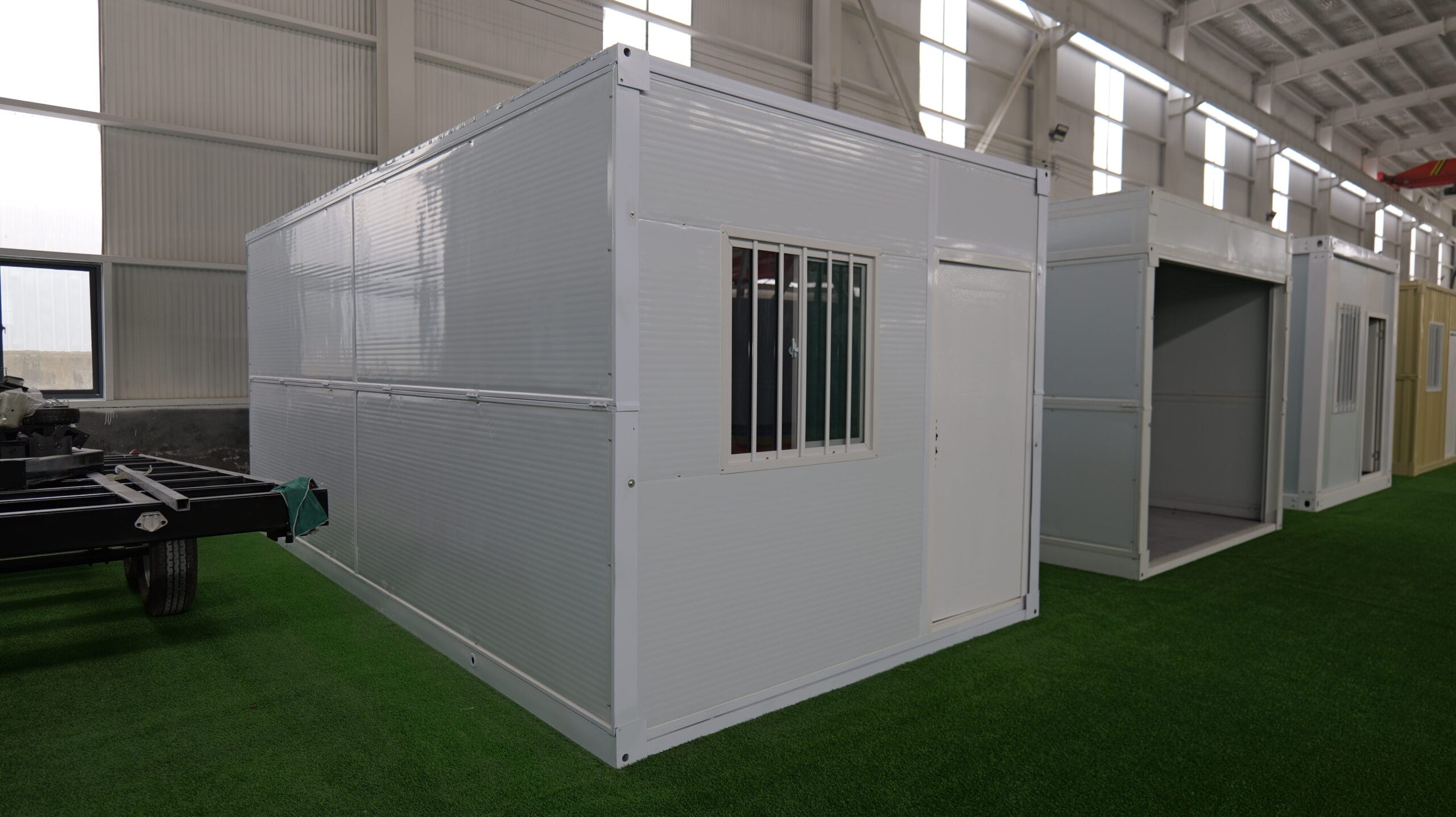
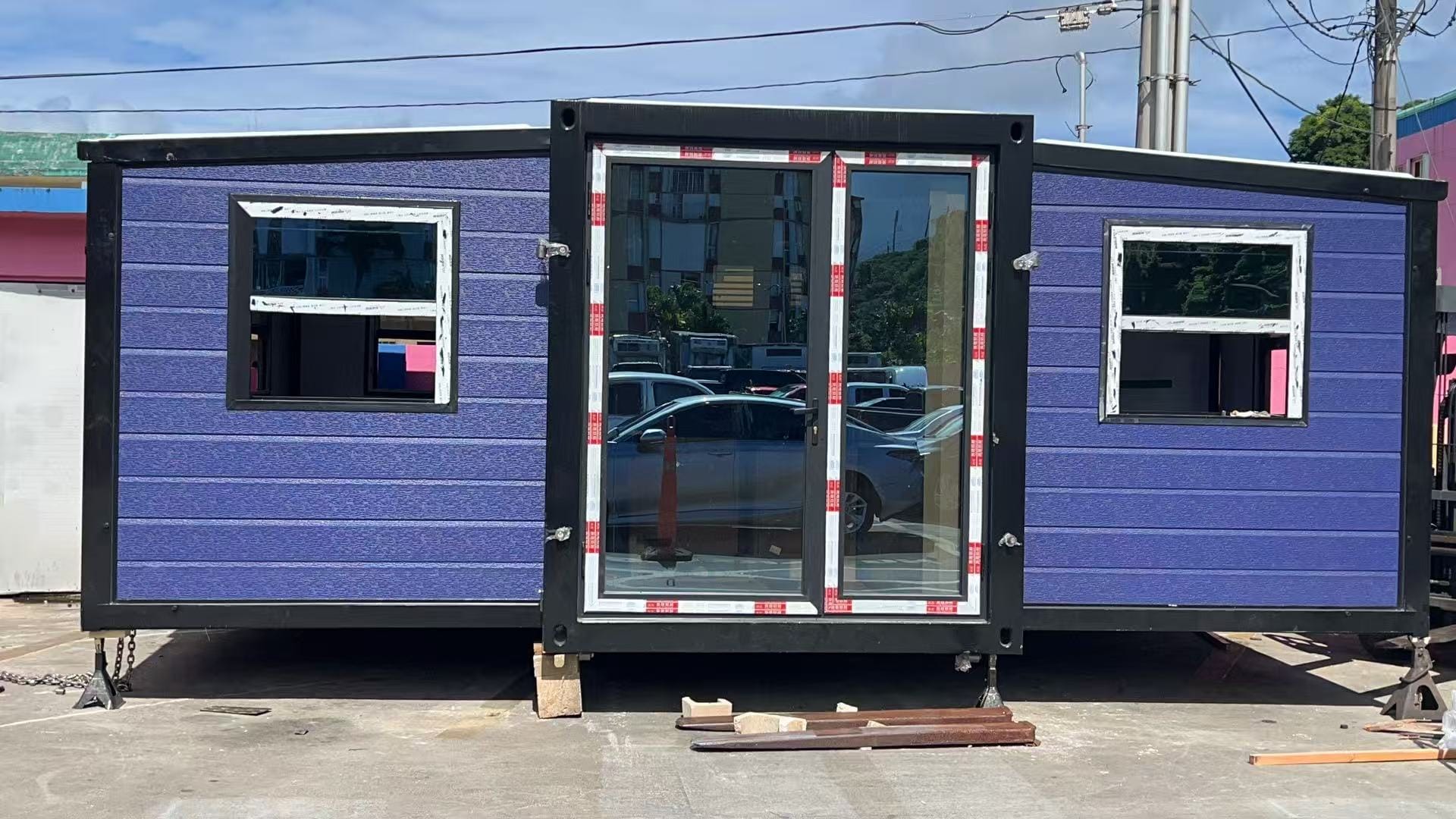
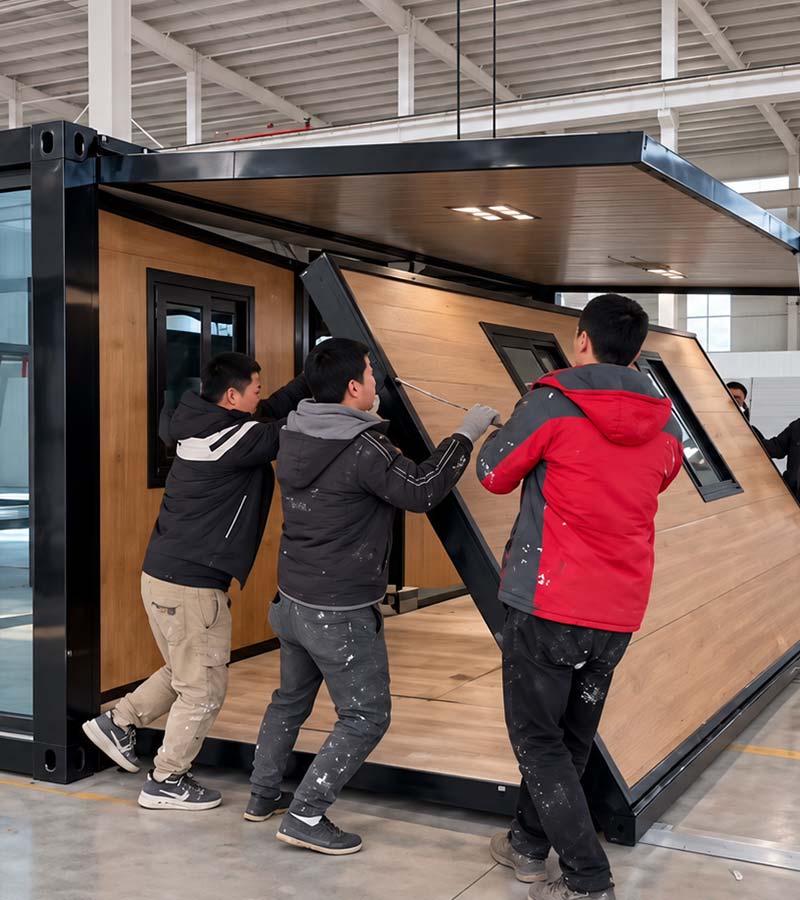
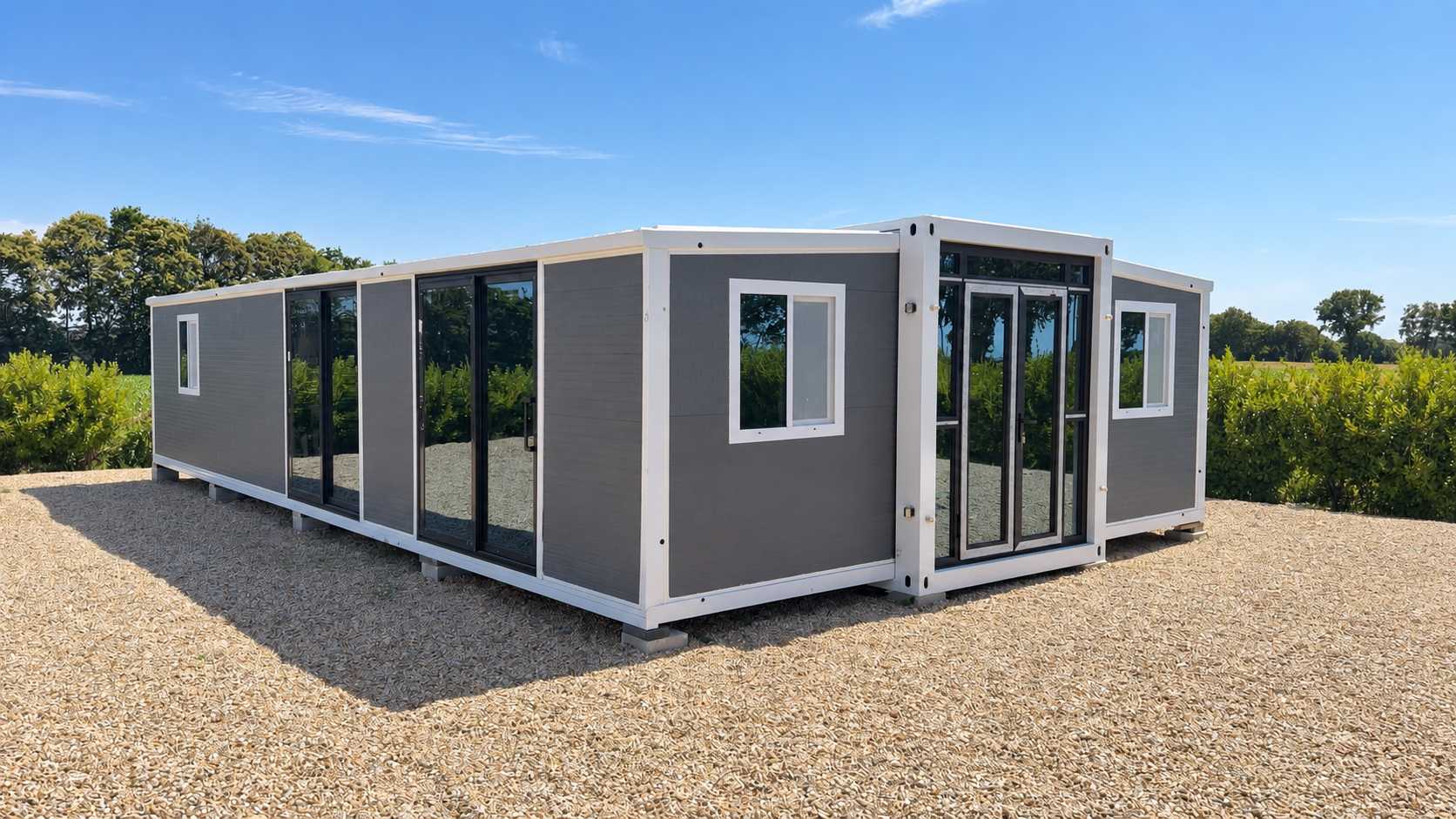
Natuo describes several quick-assembly packages with different levels of factory preparation. Confirm the selected package and the actual site assembly work instead of assuming every flat-pack unit arrives at the same level of completion. The Quick Assembly Container House page is a useful place to compare the actual configuration.

How this affects daily use
Make a Guest Room Comfortable Beyond the First Impression
A guest room needs places for ordinary belongings. Give visitors somewhere to open a bag, hang a coat, charge a phone and put down a drink. Make lighting and controls understandable without a long explanation. A beautiful bed photograph says little about whether a visitor can reach a switch or walk to the bathroom comfortably at night.
Check privacy and the view from the entrance with the room lit. Provide clear information about shared or separate facilities. Keep the cleaning routine manageable so a turnover does not require moving every piece of furniture. If the room will be used by different people, avoid filling all storage with decorative objects. A few well-chosen practical items, clean accessible surfaces and a straightforward arrival routine often improve the stay more than additional equipment that guests do not know how to operate.
Welcome Overnight Guests in a Small Space
Plan the guest arrangement from bedtime through the next morning. A sofa bed needs space to open, but guests also need somewhere for a bag, a drink of water, a charging lead and their clothing. Make sure an unfolded bed does not block access to the bathroom or the main entrance. A temporary sleeping place should still leave the household able to move around normally.
Tell visitors what the arrangement offers before they arrive. A clear description of shared facilities and privacy is more helpful than promising a separate room that the layout cannot provide. Provide a small lamp which can be switched off from the sleeping area, and agree where bedding goes during the day. If visits are frequent, a smaller permanent piece of furniture may work better than a large convertible one whose mechanism is opened and closed daily. Try one complete night-time setup before hosting.
Leave Room to Replace Equipment Later
Service access includes the route for removing and replacing an item, not just reaching its controls. A refrigerator or water heater can become trapped behind later furniture or an altered doorway. Review the route before fitting permanent cabinets. Where a layout is compact, ask how the installed equipment is intended to be maintained over time. An attractive enclosure is only useful if the equipment can operate with its required clearances and be reached when attention is needed.
Give a Window View a Comfortable Seat
A view is more enjoyable when the seat works for the time spent there. Check posture, access, glare and a reachable surface for a drink or book. Avoid putting the best-looking chair where it blocks a door or needs to be moved every time someone passes. A modest chair in a workable position may be used far more than a large lounge piece selected only for appearance. Test the view and light while sitting rather than standing at the glass.
Details worth checking together
Set Up a Desk That Can Stay Ready for Work
A dedicated working corner is useful even when it is small. Place the desk where you can sit comfortably, move the chair and reach a power point without cables crossing a walkway. Check the view behind you if you make video calls. A tidy background can be achieved with the direction of the desk or a simple screen, rather than an extra room.
Daylight should help you see the desk without making the screen difficult to read. Try the position at the time of day you normally work, because a pleasant morning view can become afternoon glare. Give documents and charging leads a nearby home so the desk does not spill onto the dining table. If the room must change use every evening, choose a setup that packs away in a few movements. A complicated folding routine is likely to be abandoned after a busy day.
Keep the Real Occupants in the Discussion
Ask the people who will use the space to describe their routines and try the proposed arrangement. Different heights, mobility, schedules and habits can change what feels convenient. A layout chosen entirely from photographs may suit the person selecting it less well than expected. Keep comments concrete: reach, movement, light, storage and privacy. Those observations are easier to act on than a general preference for a larger or more luxurious room.
Keep the First Night Separate From the Delivery Appointment
Do not assume that a room will be ready for sleeping as soon as it is placed. Setup, connections and the appropriate checks may still be needed. Plan alternative accommodation where timing is uncertain, especially when children, guests or a long journey are involved. Confirm readiness through the agreed handover process. This small scheduling distinction gives people room to resolve a question properly instead of feeling pressured to use an unfinished space because the bedding has already arrived.
Keep Working Hours Separate From Visitor Hours
Where a room serves both work and visits, agree how its use changes. Store work materials in one reachable place and keep the guest route from passing through sensitive or messy tasks. Check whether the activities occur at the same time before assigning one surface to both. A practical schedule and clear storage can be enough for occasional sharing, while regular overlapping use may justify a different layout or enclosure. Test the transition rather than assuming a multifunction label makes it effortless.
A short check before deciding
- Map switches to daily activities.
- Walk the night route.
- Direct light onto the task rather than into people's eyes.
Use an ordinary day as the test
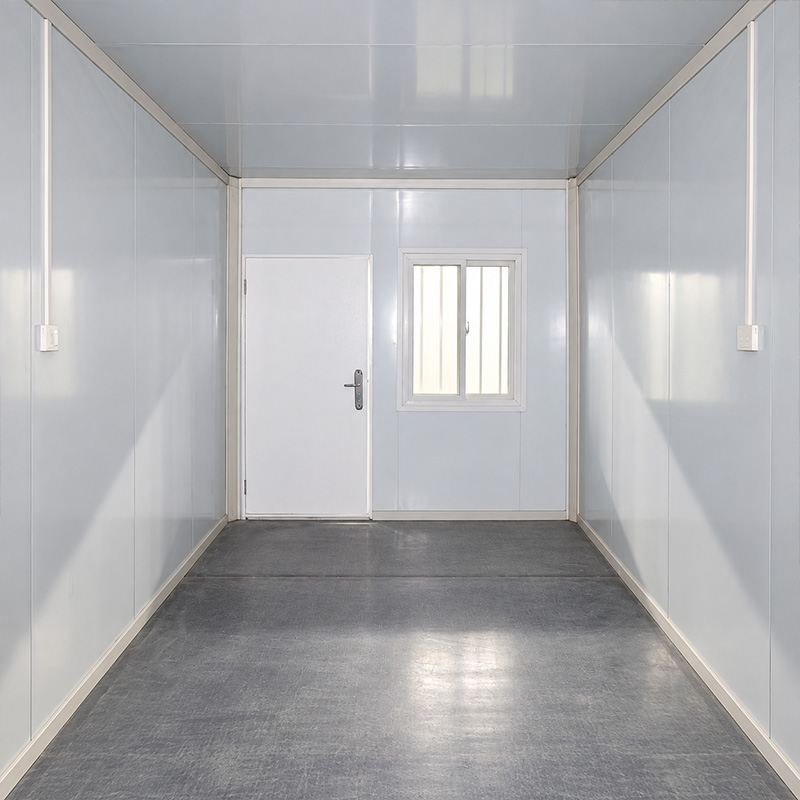
Imagine an occupant arranging a simple room after site assembly. On the sketch, show an assembled room whose doors, windows and services follow the selected package. For this decision, take the first practical check literally: Map switches to daily activities. Then review walk the night route. Finally, direct light onto the task rather than into people's eyes. The exercise is useful only if it includes the belongings and activities normally present, rather than a permanently empty display room.
For a broader explanation, see An overview of prefabricated homes. Use general housing guidance alongside the selected product drawings and advice for the actual site.
For a layout question, compare the available customization options with the routine you want the room to support. Keep the question specific to the selected drawing and the way the space will be used.
How do I use lighting that does not wake everyone?
Map switches to daily activities. Walk the night route.
What should the layout or specification confirm?
Confirm the actual room arrangement, openings and included equipment on the selected drawing. For this topic, direct light onto the task rather than into people's eyes.
Can I judge this from an exterior photo alone?
A photo can help identify a useful question, but it does not show every dimension, option or site condition. Divide lighting by activity instead of relying on one bright ceiling fitting for everything.