



On this page
In a 20ft expandable container house, screen glare is often a positioning problem before it is a curtain problem. Try turning the screen so bright windows are beside it rather than directly in front of it or reflected behind you. Check the result while seated at your normal height. A view that looks comfortable while standing can produce a strong reflection once you sit down.
Use adjustable shading so you can respond to changing sun rather than keeping the room dark all day. A light-filtering blind can soften brightness while a more opaque covering may be useful at particular hours. Keep enough light on the work surface to avoid working in a dim corner beside a bright screen. Before buying window film, check compatibility with the glazing and the supplier's instructions. A temporary fabric trial can help you decide how much shading is needed before committing to a permanent change.
Open a document on the screen you actually use and try the desk position at the time glare is most troublesome. Turn the desk or screen before buying a new covering. A bright window reflected in the display can make a seemingly attractive position frustrating, while a small change in angle may improve visibility without reducing the room's daylight.
If shading is needed, test a temporary fabric arrangement to understand the degree of control required. Keep enough light on the desk and avoid creating a very dark work corner beside a bright view. Consider how the covering will be operated while seated and whether it conflicts with ventilation. Permanent glazing treatments should be checked for suitability first. The result should be a practical working position with adjustable light, rather than a room kept closed and dark to solve one reflection.
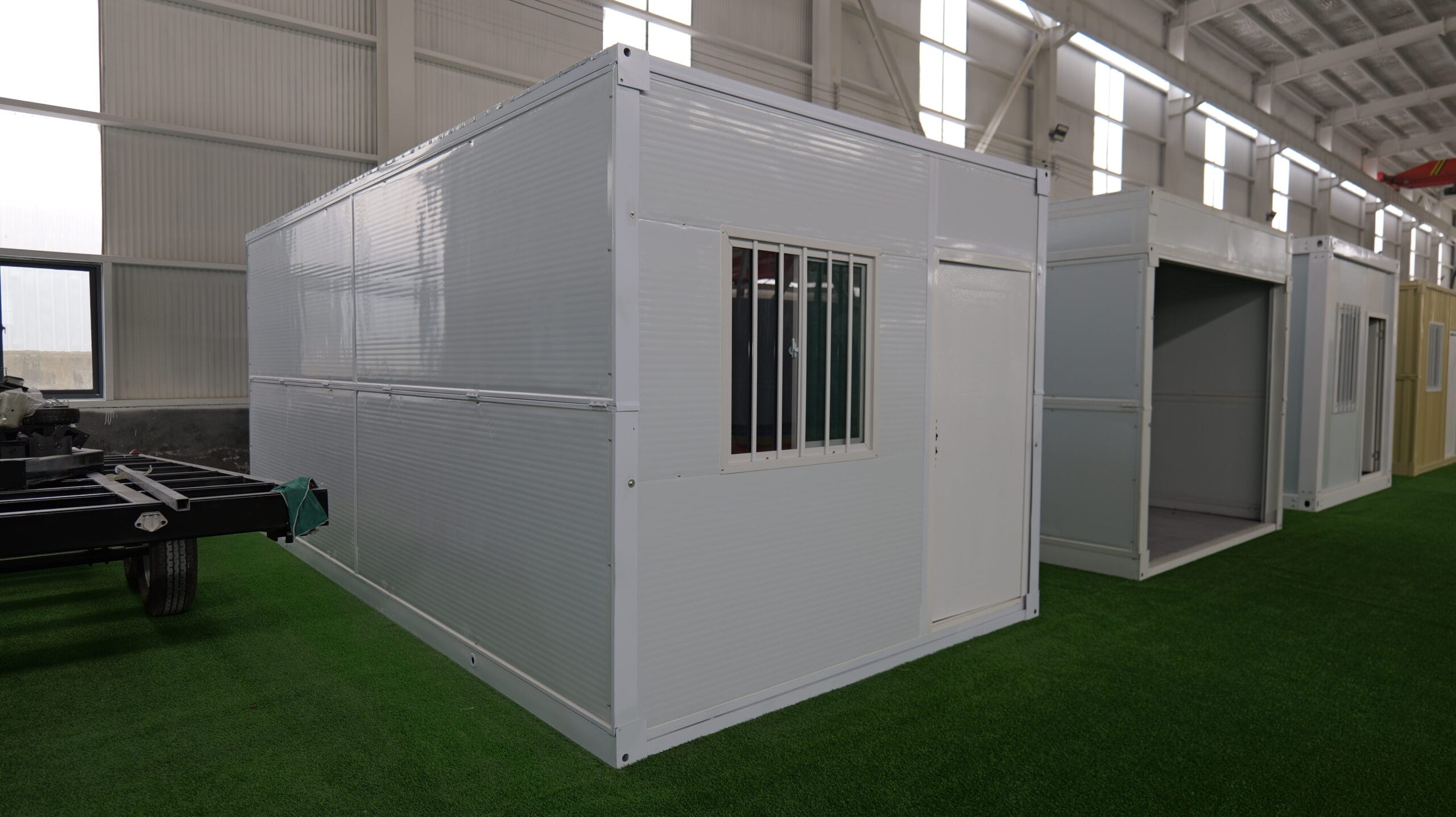
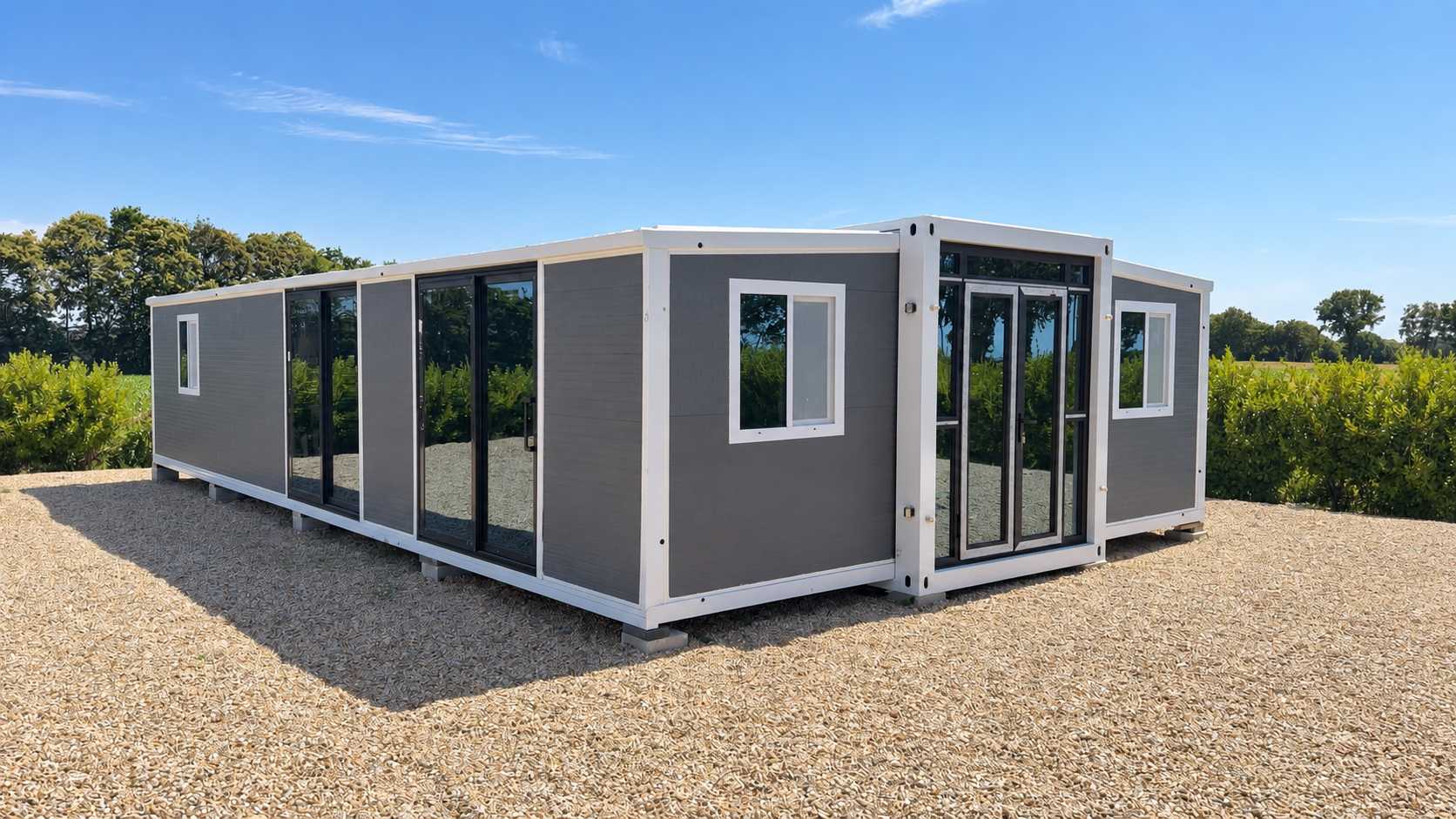
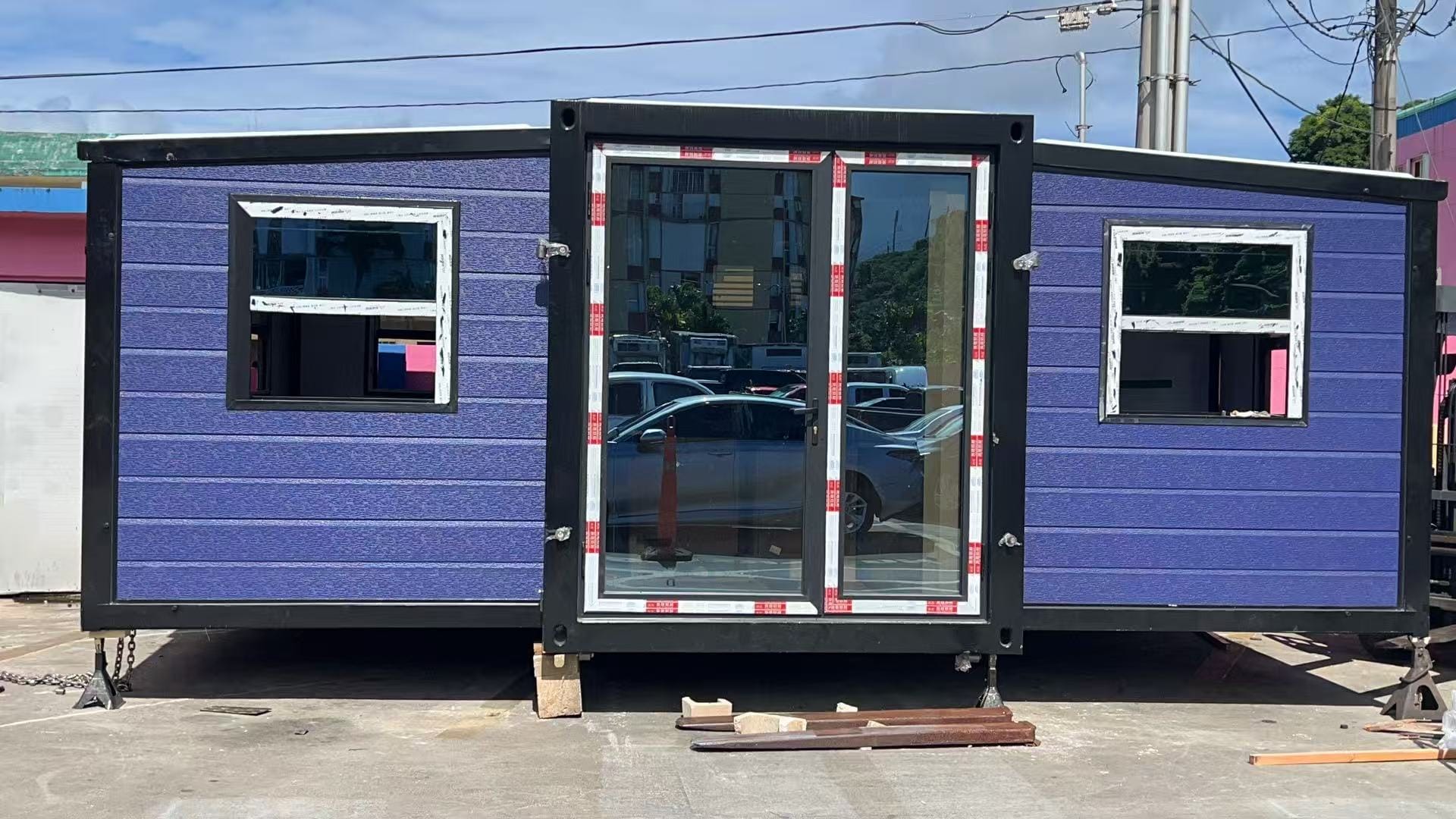
The double-wing format is transported in a closed state and deployed at the site. Use the selected deployed drawing when arranging furniture and outdoor access. The 20ft Double Wing Expandable Container House page is a useful place to compare the actual configuration.
Three checks to make first
- Test screen position while seated.
- Try adjustable shading.
- Check glazing compatibility before applying film.
Set Up a Small Studio for Creative Work
Define the kind of work first. A quiet writing or drawing studio has different needs from an activity involving dust, fumes, heat or heavy equipment. Choose a suitable space and professional advice where those risks arise. For ordinary desk-based creative work, prioritize a comfortable surface, useful light and storage that keeps materials close without covering the work area.
Keep one clear place to begin a session. If every project requires unpacking several boxes and moving the dining furniture, the studio is likely to become storage instead. Consider background noise, visitor access and how the room feels during the hours you use it. Use movable furniture to test the arrangement before committing to fixed cabinets. Leave the route to doors, windows and service access clear, even when a project is temporarily spread out.
Choose a Quiet Place for Equipment
Equipment sound is easier to address before its position is fixed. Ask where a pump, fan, refrigerator or other service item will operate, and consider its relationship to beds and desks. Keep the service clearances required by the equipment. Do not hide a noisy appliance in an unventilated enclosure just to make the room look tidy. If a new rattle or vibration develops, document it and seek appropriate maintenance rather than wedging objects around the installation.
Choose Movable Furniture Before Fixed Alterations
Try a reversible arrangement before making permanent changes. A smaller table, different bed position or movable screen may address the daily problem without altering walls or services. Live with the trial long enough to include ordinary busy moments. If a fixed change is still needed, obtain suitable information about the building and its services before proceeding. This approach keeps decisions tied to real use and avoids spending effort on a permanent solution to a routine that could be changed more simply.
Create a Reading Corner You Will Actually Use
A good reading corner needs a supportive seat, light on the page, somewhere for a drink and a comfortable temperature. Place it where these needs can coexist. A spectacular window view may become less pleasant when direct sun falls on the page or the chair blocks the main route through the room.
Try the position at your usual reading time. Add an adjustable lamp for cloudy days and evenings, and keep its lead out of the walkway. A small shelf or side table can hold the few items used most often without turning the corner into a stack of storage. If the same seat serves visitors, make it easy to move without rearranging the entire room. Simple details determine whether the corner becomes part of everyday life or remains an attractive but unused idea on the plan.
Remember That Added Features Need Their Own Plan
A screen, awning, deck or new cabinet can affect access, drainage, ventilation or the building's future transport arrangement. Review the feature with the relevant drawings and suitable advice before attaching it. Do not assume a lightweight appearance makes a connection trivial. Some needs can be met with a movable item instead. Treat each fixed addition as part of the complete room and site, rather than as decoration isolated from everything around it.
Choose Window Coverings for Day and Night
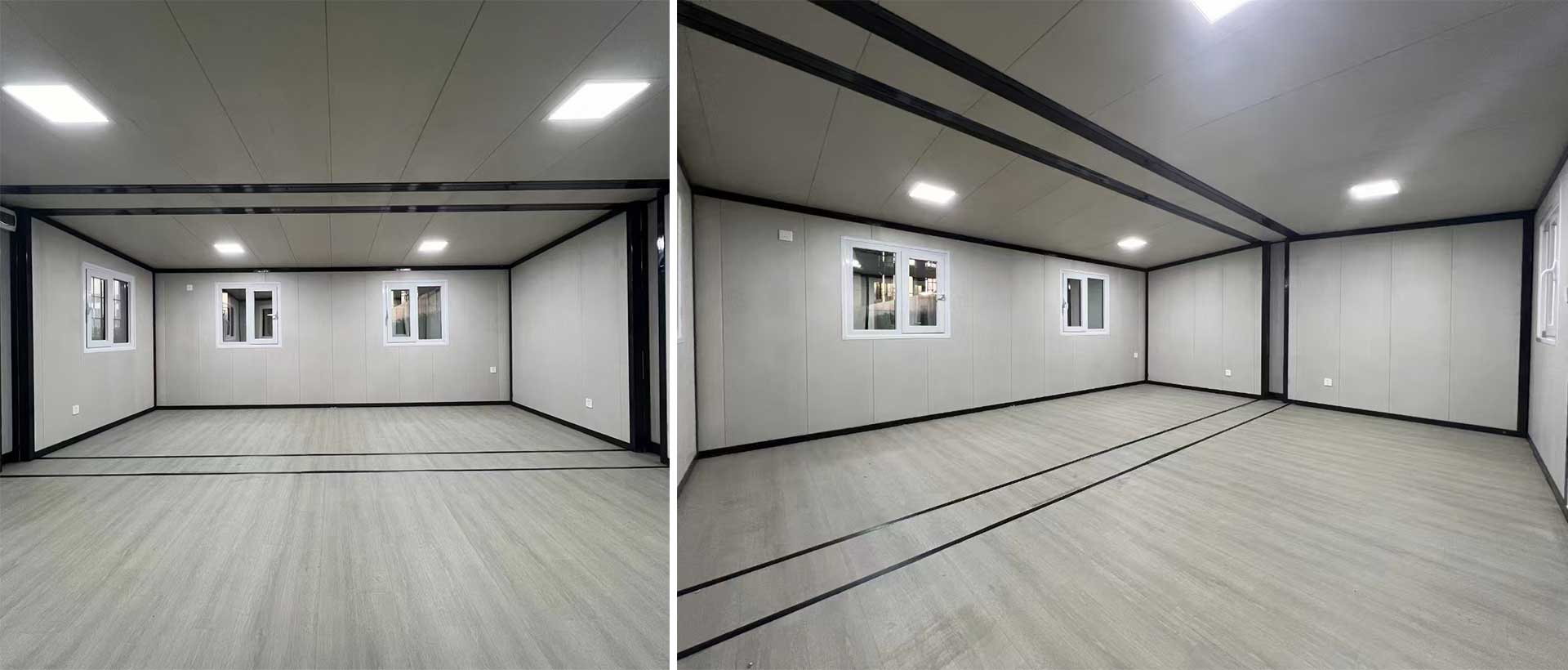
Window coverings have several jobs: reducing glare, controlling views and making the sleeping area darker. A single covering may not do all three well. A translucent blind can soften daylight but reveal silhouettes after dark. A darker curtain can improve privacy while requiring somewhere to gather when open. Measure that gathered fabric as part of the room arrangement.
Choose a simple routine which occupants will actually use. Layering a light blind with a night curtain can offer flexibility, but the hardware needs suitable fixing points. Keep fabric clear of heaters, cooking surfaces and moving doors. Consider how easily the covering can be removed or cleaned in a small room. If the window is needed for ventilation, make sure the covering does not have to be completely dismantled every time the window opens.
Leave Some Storage Empty for the Occupant
Display objects can make a photo attractive while consuming the shelves visitors or occupants need. Reserve genuinely usable space for clothing, toiletries and a few personal items. A partially empty cupboard can be more welcoming than a completely styled one. In shared or guest accommodation, make the available areas obvious. This avoids the common situation in which the room appears to have ample storage but every useful drawer is already filled with supplies or decoration.
Treat Photos as Questions to Answer
Use a photo to identify details worth confirming: an opening window, a terrace connection, a service outlet or a piece of furniture. Ask whether the detail belongs to the exact model and scope being considered. Record the answer on the drawing or inclusion list where appropriate. This turns an appealing image into a useful discussion tool. It also avoids treating a rendering, display unit or optional package as evidence of what will arrive at every destination.
Try the plan with a real routine
Imagine a couple using the room for everyday living. On the sketch, show the living area around a central entrance and the two deployed side spaces. For this decision, take the first practical check literally: Test screen position while seated. Then review try adjustable shading. Finally, check glazing compatibility before applying film. The exercise is useful only if it includes the belongings and activities normally present, rather than a permanently empty display room.
For a broader explanation, see Shading guidance from YourHome. Use general housing guidance alongside the selected product drawings and advice for the actual site.
For a layout question, compare the available customization options with the routine you want the room to support. Keep the question specific to the selected drawing and the way the space will be used.
How do I reduce screen glare without darkening the whole room?
Test screen position while seated. Try adjustable shading.
What should the layout or specification confirm?
Confirm the actual room arrangement, openings and included equipment on the selected drawing. For this topic, check glazing compatibility before applying film.
Can I judge this from an exterior photo alone?
A photo can help identify a useful question, but it does not show every dimension, option or site condition. Screen glare is often a positioning problem before it is a curtain problem.