



On this page
In a 40ft expandable container house, look at the habits which use water most often: washing dishes, showers, laundry and outdoor cleaning. Small changes in the way tasks are organized can make everyday use more manageable, particularly where the supply is limited. Fix a dripping fitting promptly through suitable maintenance rather than accepting it as a minor nuisance.
Choose fittings and appliances for the actual supply and intended use. Do not compare products on a single label while overlooking pressure, hot-water compatibility or service access. If stored water or an off-grid supply is being considered, have the complete arrangement assessed for capacity, quality and local requirements. Keep drinking-water decisions separate from general cleaning water. A compact floor plan can simplify some routines, but it does not determine how much water a household will need or make an unsuitable supply safe.
Write down the week's water-dependent tasks and note which can overlap. Showers, dishes, cleaning and laundry may happen at predictable times. This helps frame a useful conversation about the actual supply and equipment instead of assuming a small room automatically needs very little water.
Keep confirmed information separate from estimates. If a tank or other independent supply is considered, the complete capacity, quality and installation arrangement needs appropriate assessment. Do not copy an unrelated setup because the buildings look similar. For daily care, attend to leaks and use fittings as intended. A modest practical routine can make water use easier to manage, but the home still depends on a suitable source and correctly arranged plumbing for the way people actually live there.
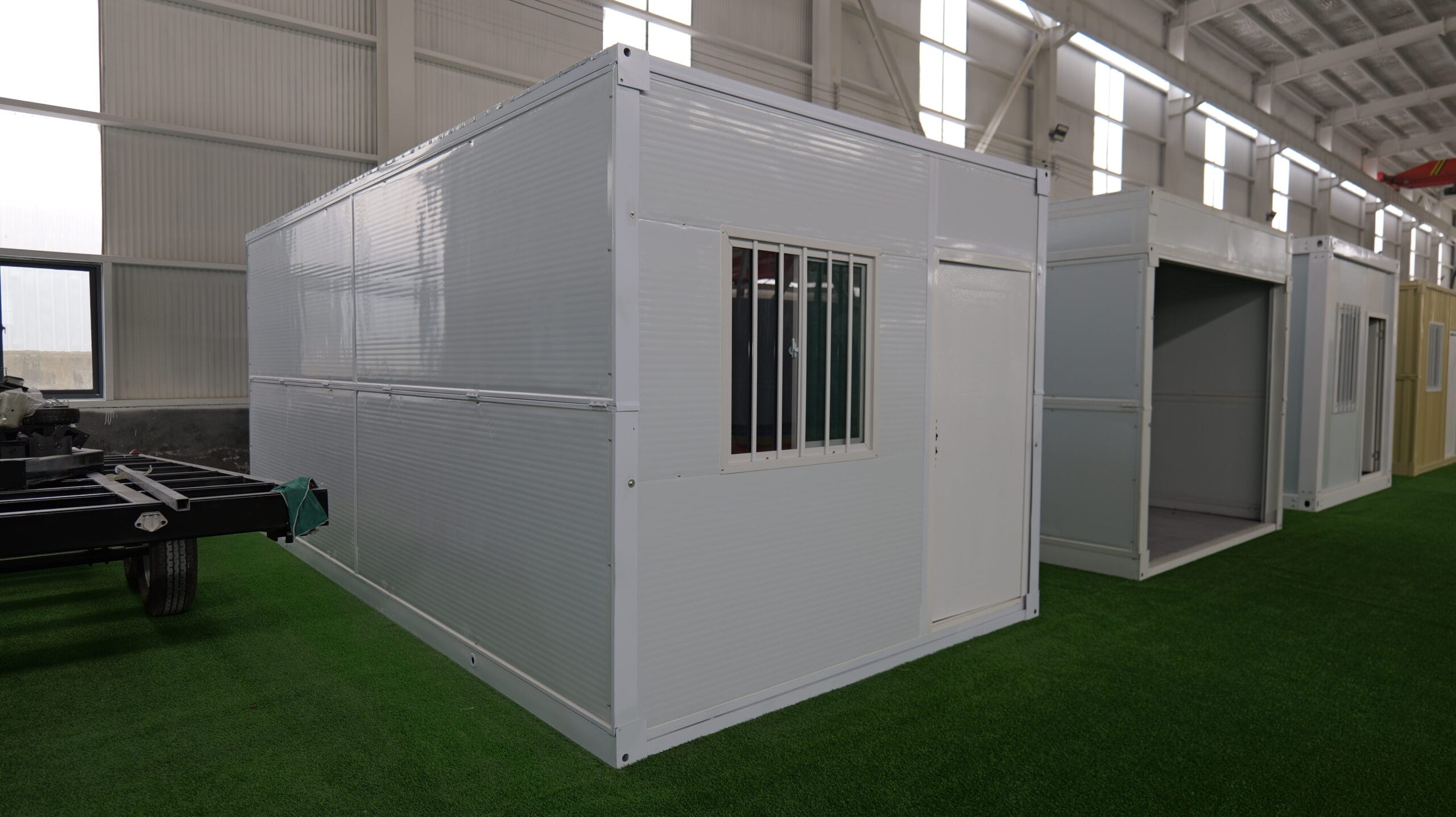
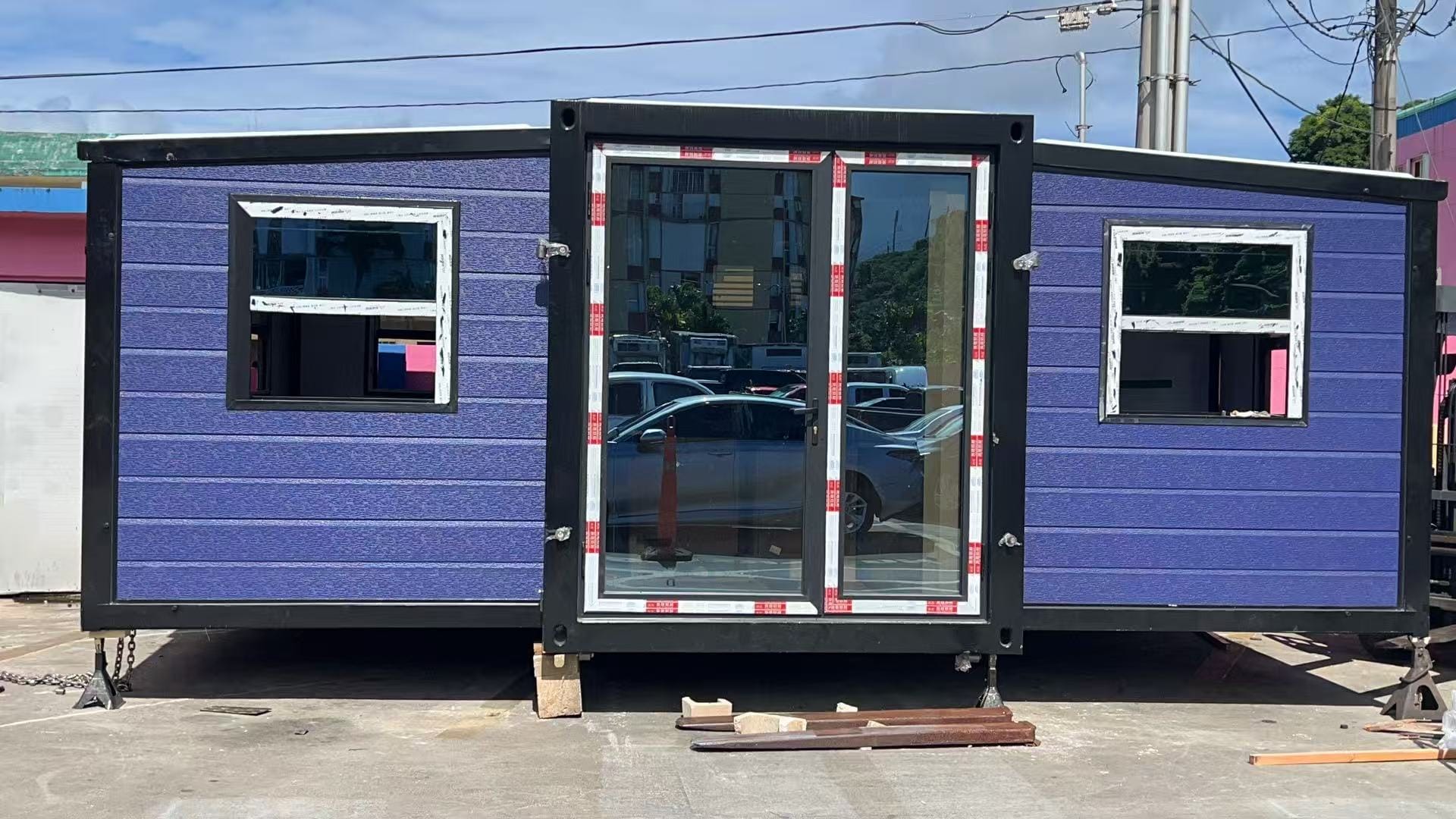
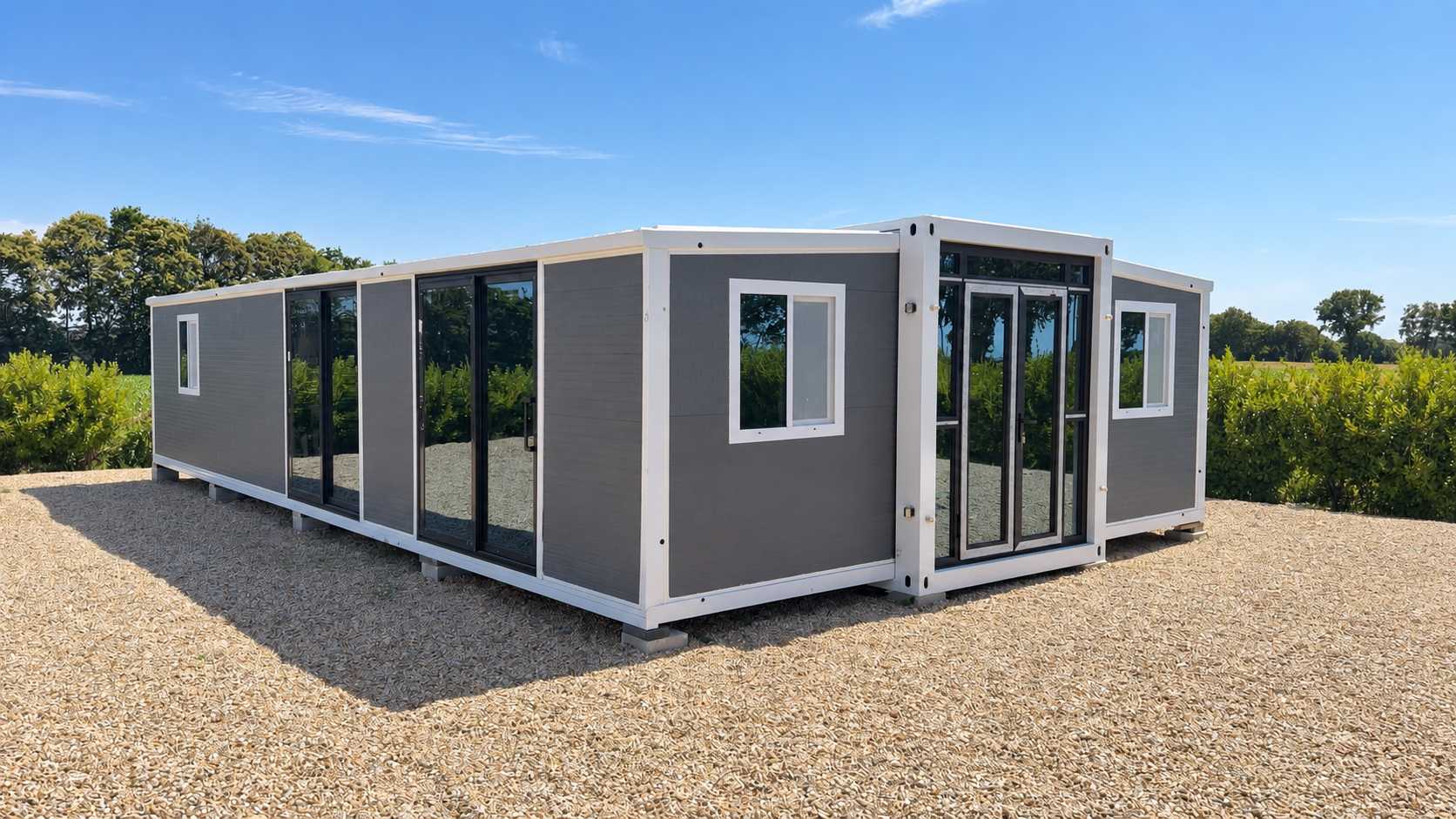
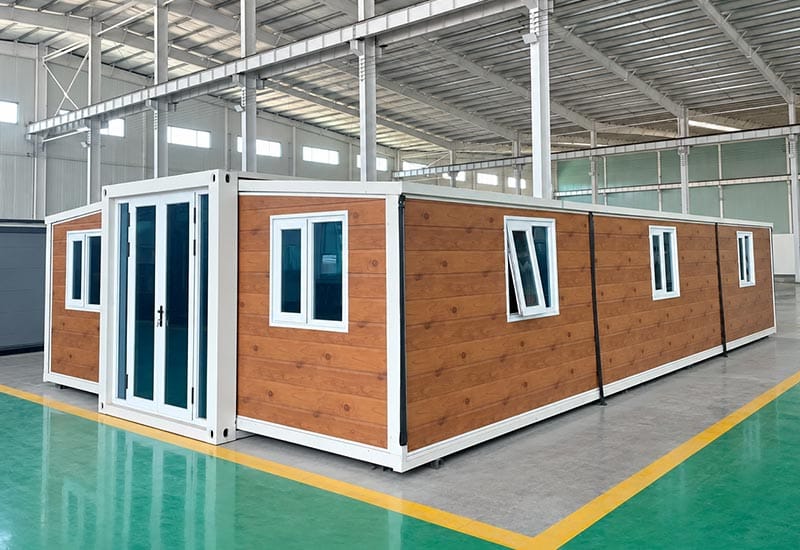
A 40ft product name is a size label, not a complete floor plan. Check the selected room arrangement, actual clear dimensions and service locations before allocating separate activities. The 40ft Double Wing Expandable Container House page is a useful place to compare the actual configuration.
Keep Sinks and Wet Areas Easy to Maintain
An easy-care wet area gives water a contained place to land and lets surfaces dry afterward. Keep frequently used products in a small removable tray rather than scattering bottles around every edge. Wipe up standing water and follow the fitting and surface manufacturers' cleaning instructions. Abrasive cleaners can damage some finishes even when the dirt seems stubborn.
Look for areas which are hard to see: behind taps, beneath removable trays and at the edge of a shower screen. Include them in ordinary cleaning before a persistent mark develops. Keep seal lines visible so changes can be noticed. If a surface remains wet when the room has not been used, check for a leak rather than treating it as a cleaning failure. A good storage arrangement allows you to clean without unpacking the entire bathroom or kitchen each time.
Reserve a Place for a Full-Size Waste Bin
Bins need usable space for opening, emptying and cleaning. A very small decorative container may lead to overflow, while a large one in a walkway becomes an obstacle. Place the kitchen bin close to preparation without crowding the cooking area. Keep bathroom and outdoor waste arrangements appropriate to the site. Try lifting the liner out in the proposed position. If doing that requires moving furniture or reaching over stored supplies, revise the location.
Make Storage Easy to Clean Underneath
Consider the space beneath furniture when choosing it. A gap too small for your cleaning method can collect dust while remaining difficult to reach. Suitable raised legs or a well-finished closed base may work better, depending on the floor and furniture. Avoid creating a collection of narrow inaccessible gaps just to fit more cabinets into the room. Cleanable edges and modest quantities of furniture can make daily care easier without changing the building layout.
Keep Wastewater Planning Separate From Water Supply
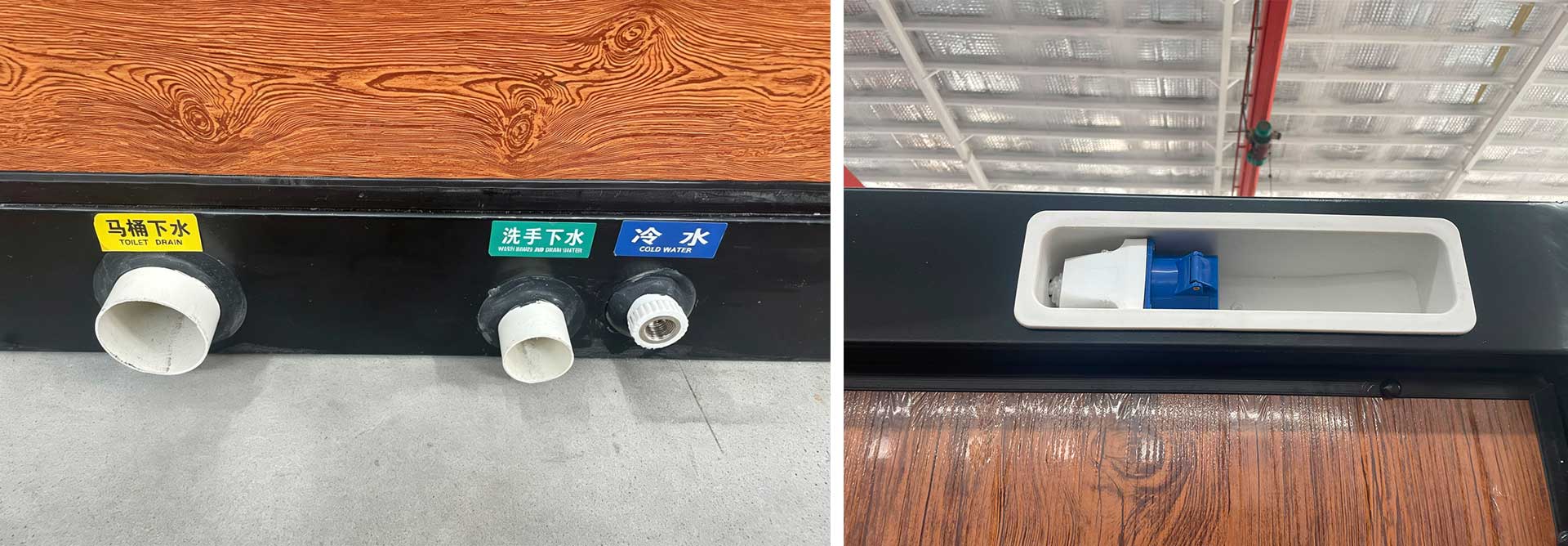
Having water available does not mean wastewater has somewhere suitable to go. Identify the intended wastewater arrangement early, including the site's connection point and any separate local system. A finished bathroom still depends on a properly designed and installed route beyond the unit. Ask who is responsible for each part before scheduling move-in.
Keep inspection and cleaning access in mind when arranging decks, cupboards and landscaping. Avoid covering a connection simply because it is unattractive in an exterior view. The right pipe routes, gradients, venting and site system depend on the actual installation and need qualified design where required. For everyday care, follow the plumbing and fixture instructions and keep inappropriate waste out of drains. If water drains poorly or an unusual odor persists, investigate the cause rather than repeatedly adding cleaning products.
Keep People Clear of the Handling Area
Treat lifting and unloading as a controlled work activity. Follow the directions of the competent team and keep visitors, children and pets away from the working area. Avoid stopping a delivery to take photographs from an unsafe position. Arrange a suitable place for the person coordinating questions so operators can concentrate. The occupant's role is to provide accurate information and follow the agreed plan, rather than improvise lifting or restraint methods on the day.
Prepare a Home That Will Be Empty for a While
The right shutdown routine depends on the installed equipment, local weather and how long the home will be unused. Collect the instructions for water, hot water, electrical equipment and ventilation before leaving. Decide which services should remain operating and which should be isolated, with suitable advice for the actual installation.
Remove food waste, clean wet areas and let textiles dry. Arrange a trusted check where appropriate, especially if weather or service interruptions could affect the building. Do not simply seal every opening and assume the room will stay dry. Keep a record of the settings and isolation steps so restarting is straightforward. If the room is a seasonal stay, a short written checklist inside the handover folder can prevent repeated uncertainty each time it is closed for a period.
Make Turnover Cleaning a Layout Test
Walk through a full clean in the proposed layout: strip bedding, reach floor edges, wipe the bathroom and remove waste. Note which items must be moved and where cleaning equipment stands. Frequent guest turnover magnifies small access problems, while even occasional visitors benefit from a simple routine. Choose removable small items and accessible surfaces where practical. The aim is not an empty room, but one which can be cared for without dismantling a carefully staged arrangement every time.
Keep the First Night Separate From the Delivery Appointment
Do not assume that a room will be ready for sleeping as soon as it is placed. Setup, connections and the appropriate checks may still be needed. Plan alternative accommodation where timing is uncertain, especially when children, guests or a long journey are involved. Confirm readiness through the agreed handover process. This small scheduling distinction gives people room to resolve a question properly instead of feeling pressured to use an unfinished space because the bedding has already arrived.
Start with these practical observations
- Review the shower and laundry routine.
- Attend to leaks.
- Assess the complete supply before choosing equipment.
A simple way to review the decision
Imagine a household sharing the room across different daily schedules. On the sketch, show a longer layout with different activities distributed along the room. For this decision, take the first practical check literally: Review the shower and laundry routine. Then review attend to leaks. Finally, assess the complete supply before choosing equipment. The exercise is useful only if it includes the belongings and activities normally present, rather than a permanently empty display room.
| When to look | What to check |
|---|---|
| Before choosing the arrangement | Review the shower and laundry routine. |
| When testing everyday use | Attend to leaks. |
| Before making a fixed change | Assess the complete supply before choosing equipment. |
For a broader explanation, see An overview of prefabricated homes. Use general housing guidance alongside the selected product drawings and advice for the actual site.
For a layout question, compare the available customization options with the routine you want the room to support. Keep the question specific to the selected drawing and the way the space will be used.
How do I use water thoughtfully in a small home?
Review the shower and laundry routine. Attend to leaks.
What should the layout or specification confirm?
Confirm the actual room arrangement, openings and included equipment on the selected drawing. For this topic, assess the complete supply before choosing equipment.
Can I judge this from an exterior photo alone?
A photo can help identify a useful question, but it does not show every dimension, option or site condition. Look at the habits which use water most often: washing dishes, showers, laundry and outdoor cleaning.