
On this page
In a space capsule house, describe the problem before trying to fix it. Note what changed, when it began and whether weather, movement or equipment use affects it. A door which suddenly catches, a recurring damp mark or a new service noise deserves more attention than a cosmetic mark which has stayed unchanged. Photographs and a short clear description help support staff ask better questions.
Use the correct maintenance instructions and suitable competent help for the work involved. Avoid opening electrical components, altering structural connections or covering water damage as an experiment. If a situation seems immediately unsafe, stop using the affected area or equipment and seek appropriate local assistance. Keep a record of the advice and repair outcome. The aim is to resolve the cause at an appropriate level, not to turn every occupant into a building technician.
Describe the difference between the earlier condition and the current one. A newly catching door, repeated water mark or changed equipment sound gives a more useful starting point than a general complaint about quality. Note what happened before the change and whether weather or use affects it.
Follow appropriate instructions and seek suitable support for the work involved. Avoid opening service equipment or altering connections as an experiment. If the situation seems immediately unsafe, stop use and seek appropriate local assistance. Keep the response and result in the maintenance record. Clear information helps a person with the right competence investigate the cause while allowing the occupant to remain focused on understandable observations rather than guesswork about hidden construction.
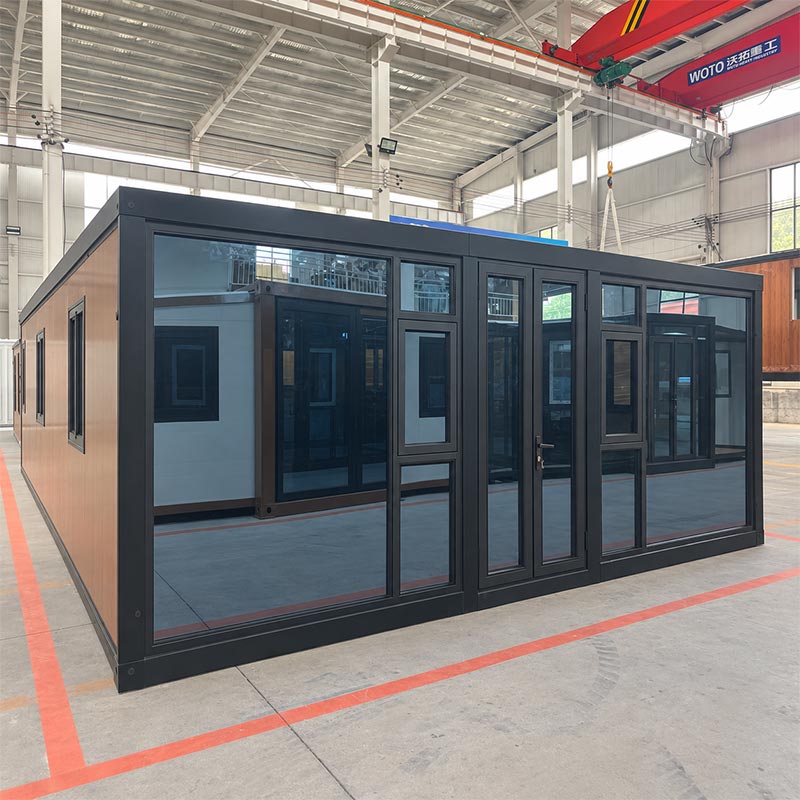
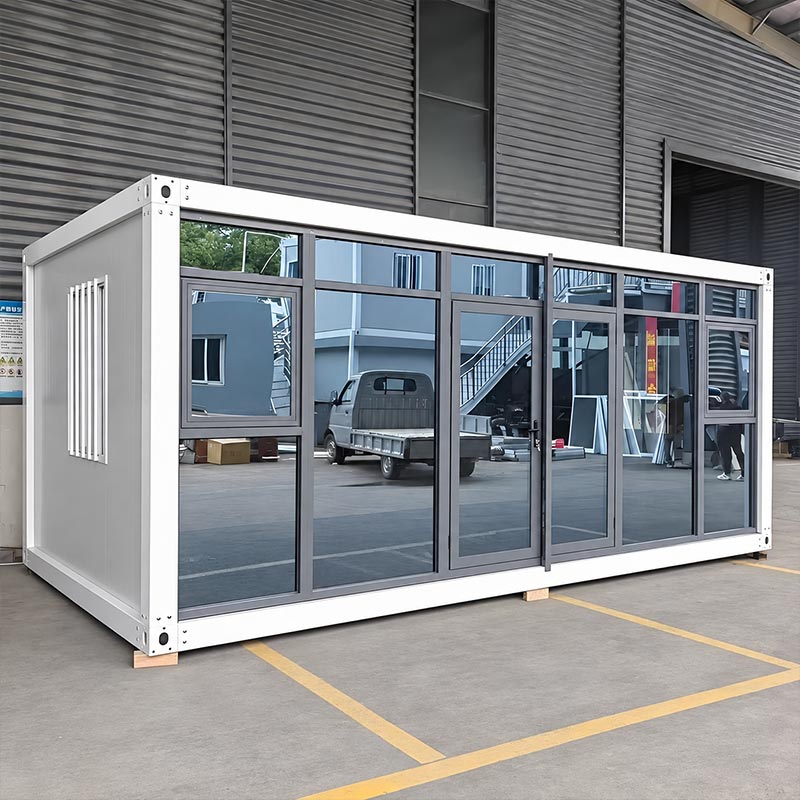
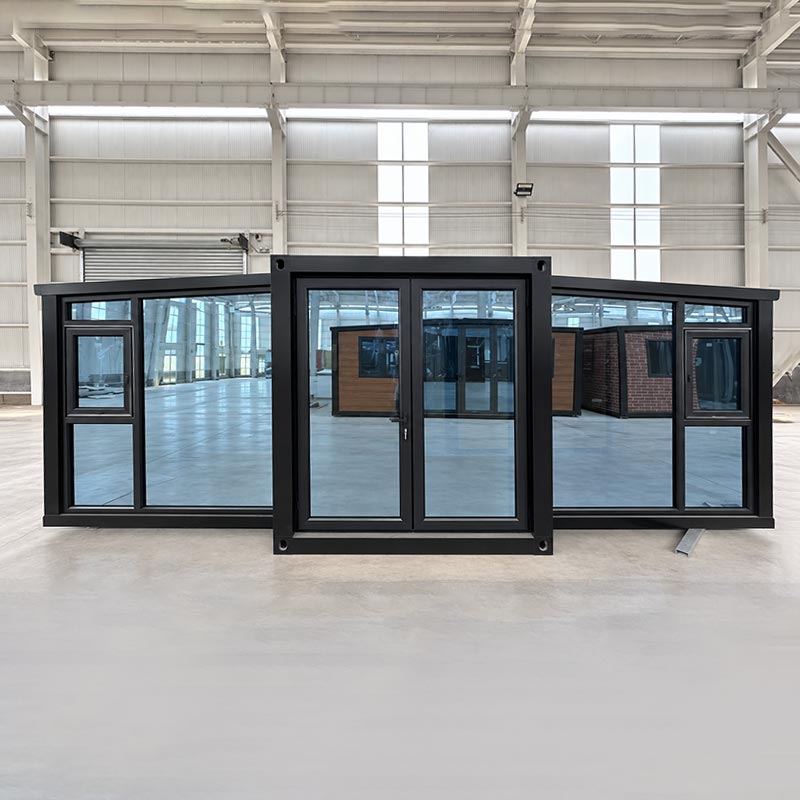
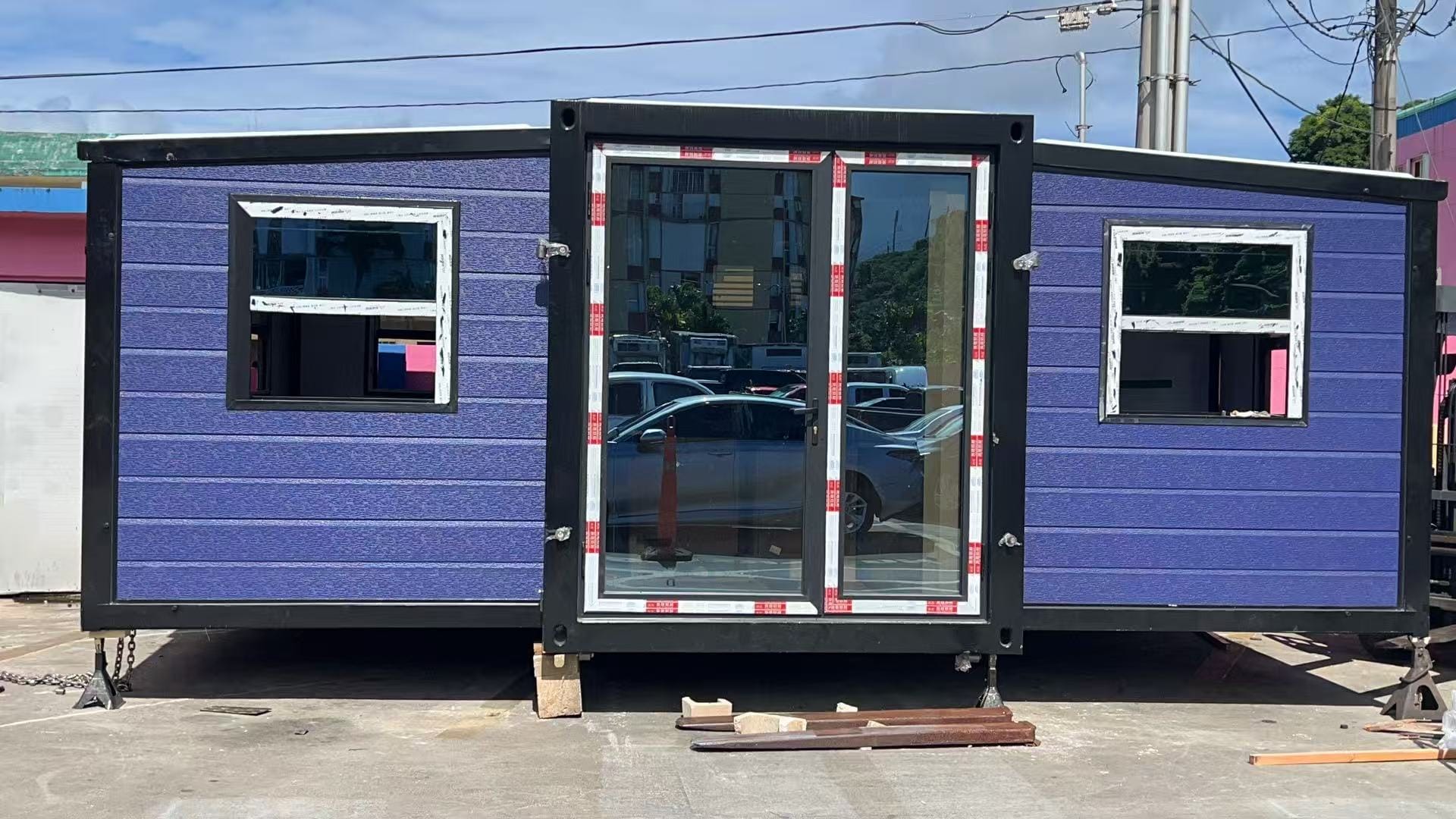
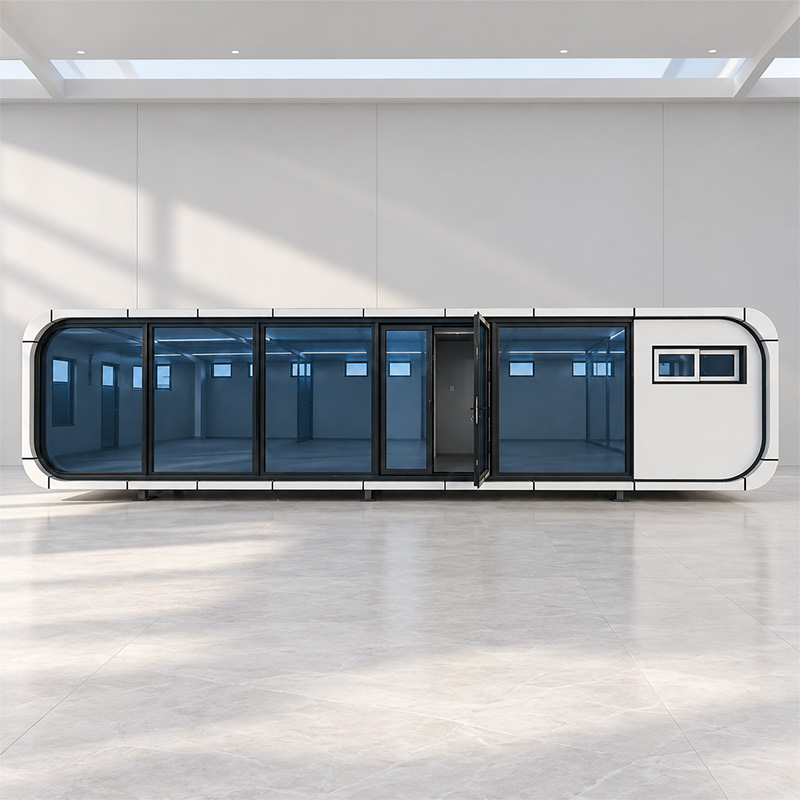
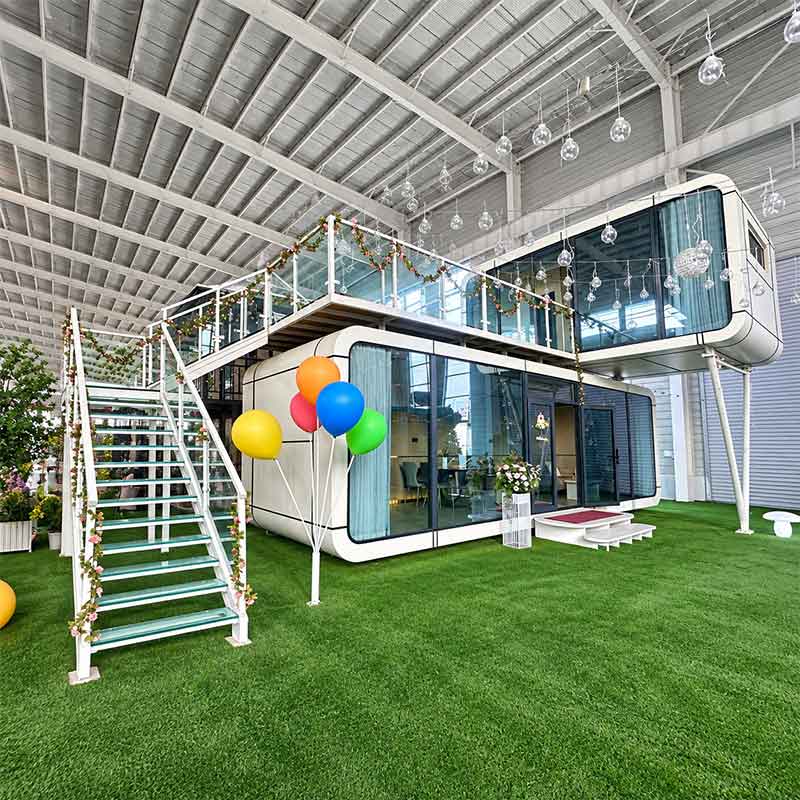
The current apple-cabin listing includes capsule-style modular accommodation with rounded forms and substantial glazing. Confirm the selected layout and equipment before applying an example from a different pod. The Apple Cabin Modular Pod House page is a useful place to compare the actual configuration.
Three checks to make first
- Record the change and timing.
- Follow the relevant instructions.
- Seek appropriate support for services, structure or recurring water issues.
A practical way to assess the room
Manage Humidity During Everyday Living
Humidity management starts with the activities inside the home. Showering, cooking, wet towels and drying clothing can create short periods of high moisture. Keep a simple record of the room conditions before and after these activities. This is more useful than judging the building from one damp morning or one dry afternoon.
Remove moisture close to its source using the planned ventilation, and give wet materials a chance to dry. A dehumidifier may be useful where appropriate, but it needs correct operation and somewhere for collected water to go. Check filters and accessible drainage arrangements according to the equipment instructions. A continuously damp room needs investigation into ventilation, water entry, plumbing and surface temperatures. Do not assume all humid climates need the same wall treatment or that opening the windows is always the right response.
Plan Reliable Internet Inside a Modular Room
Start with the service available at the site. A router, booster or attractive office layout cannot create an internet connection which the location does not have. Test the likely service where the room will stand, and check what installation or antenna arrangements the provider requires. Indoor signal strength can differ from the result outdoors.
Place equipment where it can be reached, ventilated and connected safely. Metal framing, building layout and neighboring equipment may affect wireless coverage, so test the working and sleeping areas before assuming one position serves them all. Where a cable or external antenna is needed, plan a suitable approved route and sealed penetration. Avoid drilling an improvised hole through an unfamiliar wall assembly. Keep a simple record of provider details, equipment settings and the restart procedure so a temporary connection issue does not become a long search.
Treat Photos as Questions to Answer
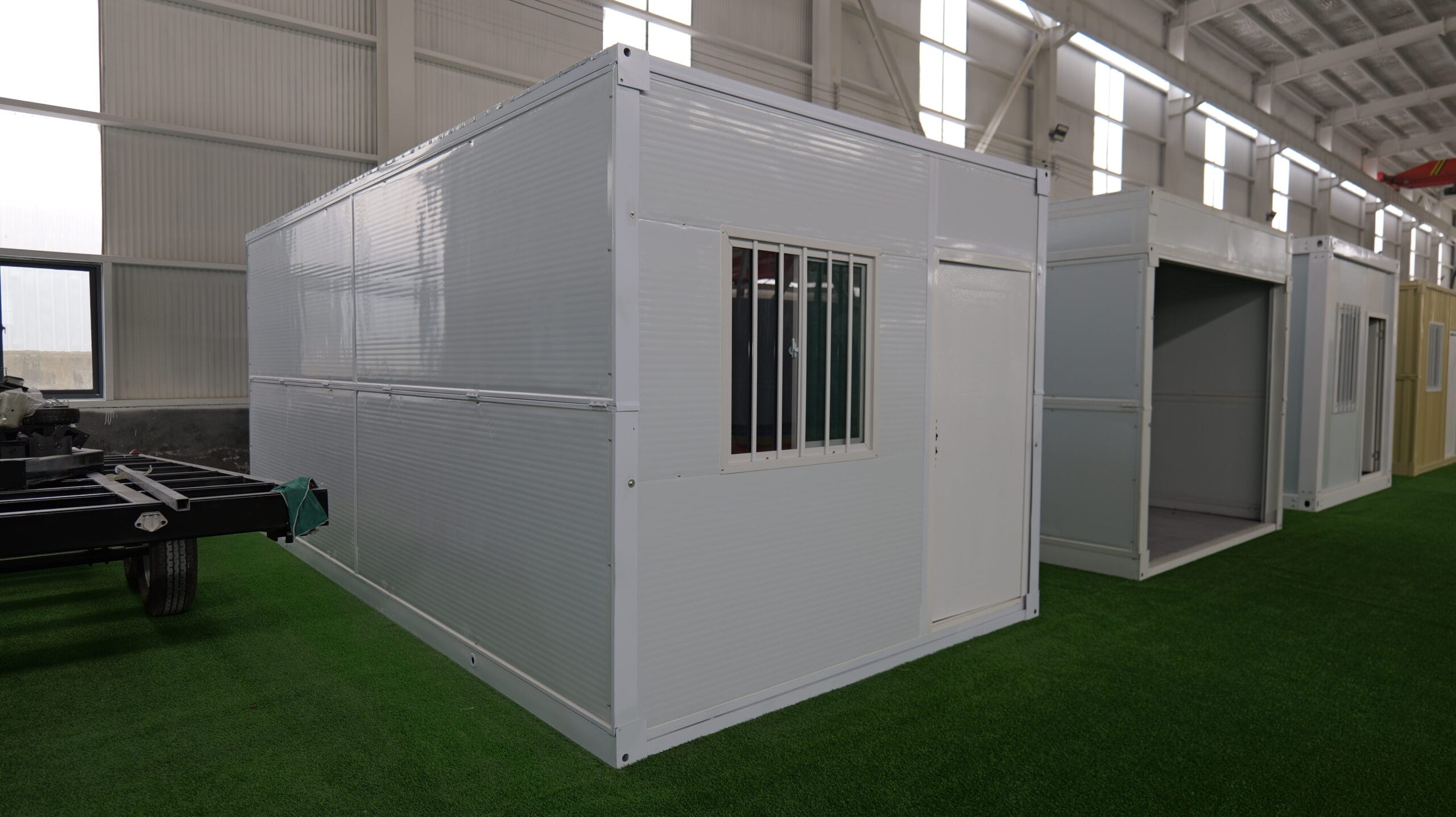
Use a photo to identify details worth confirming: an opening window, a terrace connection, a service outlet or a piece of furniture. Ask whether the detail belongs to the exact model and scope being considered. Record the answer on the drawing or inclusion list where appropriate. This turns an appealing image into a useful discussion tool. It also avoids treating a rendering, display unit or optional package as evidence of what will arrive at every destination.
Keep Claims About Comfort Tied to the Full Specification
Ask which wall, roof, floor, window and ventilation details support a comfort claim. A single material name or a general description cannot establish the behavior of every configuration and site. Where performance is a deciding factor, request relevant information for the specified assembly. Keep examples and illustrations separate from tested results. This lets you discuss the practical outcome you want without inventing a rating, a service life or a promised energy saving.
What to confirm before making changes
Document Delivery Damage Clearly
Inspect accessible packaging and surfaces before normal handling obscures their arrival condition. Photograph the overall unit, the package label and any affected area from more than one distance. A close-up shows detail, while a wider view explains where the mark is. Keep the original files with the date and delivery information.
Report concerns through the agreed delivery and support process promptly. Describe what you can observe rather than diagnosing hidden damage from one mark. Ask before removing important packaging or attempting a repair that could change the evidence. Once the unit is safely positioned, follow the agreed inspection sequence for doors, windows, finishes and supplied parts. Some checks need suitable qualified people, particularly where services or concealed components are involved. An orderly record helps resolve a real issue more effectively than a collection of unlabeled photographs sent at different times.
Make Small Water Marks Easy to Track
Photograph a water mark with enough surrounding detail to locate it, then note the weather and recent water use. Record whether it dries fully and whether it returns. Do not repeatedly paint over it or cover it with storage. Clear observations help distinguish possible sources and show whether an agreed repair made a difference. A single photograph without timing may show the symptom, while a short sequence can make the investigation much more focused.
Ask Which Connections Are Ready and Which Are Local
Break the service arrangement into the part supplied with the house and the work completed at the destination. Ask who provides fittings, makes connections, checks operation and explains normal use. Words such as finished or turnkey need a defined scope to be helpful. Keep responsibilities in writing so a site connection is not missed between providers. A room with installed fixtures may still need important local work before it can be used.
Record Changes After Maintenance
After an agreed repair or adjustment, note what was done and whether the original symptom changes. Use the same observation position or routine where possible. If the issue returns, the record helps support understand its history without repeating the first conversation. Keep altered drawings or equipment details with the original documents. Maintenance becomes more useful when the outcome is recorded, rather than when a message simply says that somebody visited the site.
Try the plan with a real routine
Imagine a guest spending more time indoors than a short photo visit suggests. On the sketch, show a glazed capsule-style sleeping and seating space. For this decision, take the first practical check literally: Record the change and timing. Then review follow the relevant instructions. Finally, seek appropriate support for services, structure or recurring water issues. The exercise is useful only if it includes the belongings and activities normally present, rather than a permanently empty display room.
For a broader explanation, see An overview of modular buildings. Use general housing guidance alongside the selected product drawings and advice for the actual site.
For a layout question, compare the available customization options with the routine you want the room to support. Keep the question specific to the selected drawing and the way the space will be used.
How do I decide when a small problem needs support?
Record the change and timing. Follow the relevant instructions.
What should the layout or specification confirm?
Confirm the actual room arrangement, openings and included equipment on the selected drawing. For this topic, seek appropriate support for services, structure or recurring water issues.
Can I judge this from an exterior photo alone?
A photo can help identify a useful question, but it does not show every dimension, option or site condition. Describe the problem before trying to fix it.