

On this page
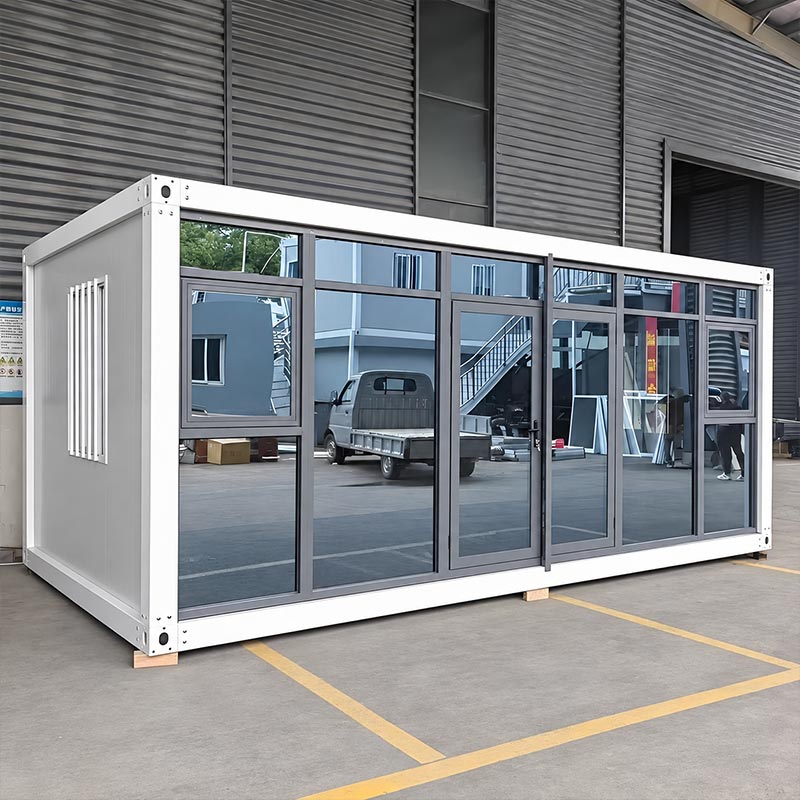
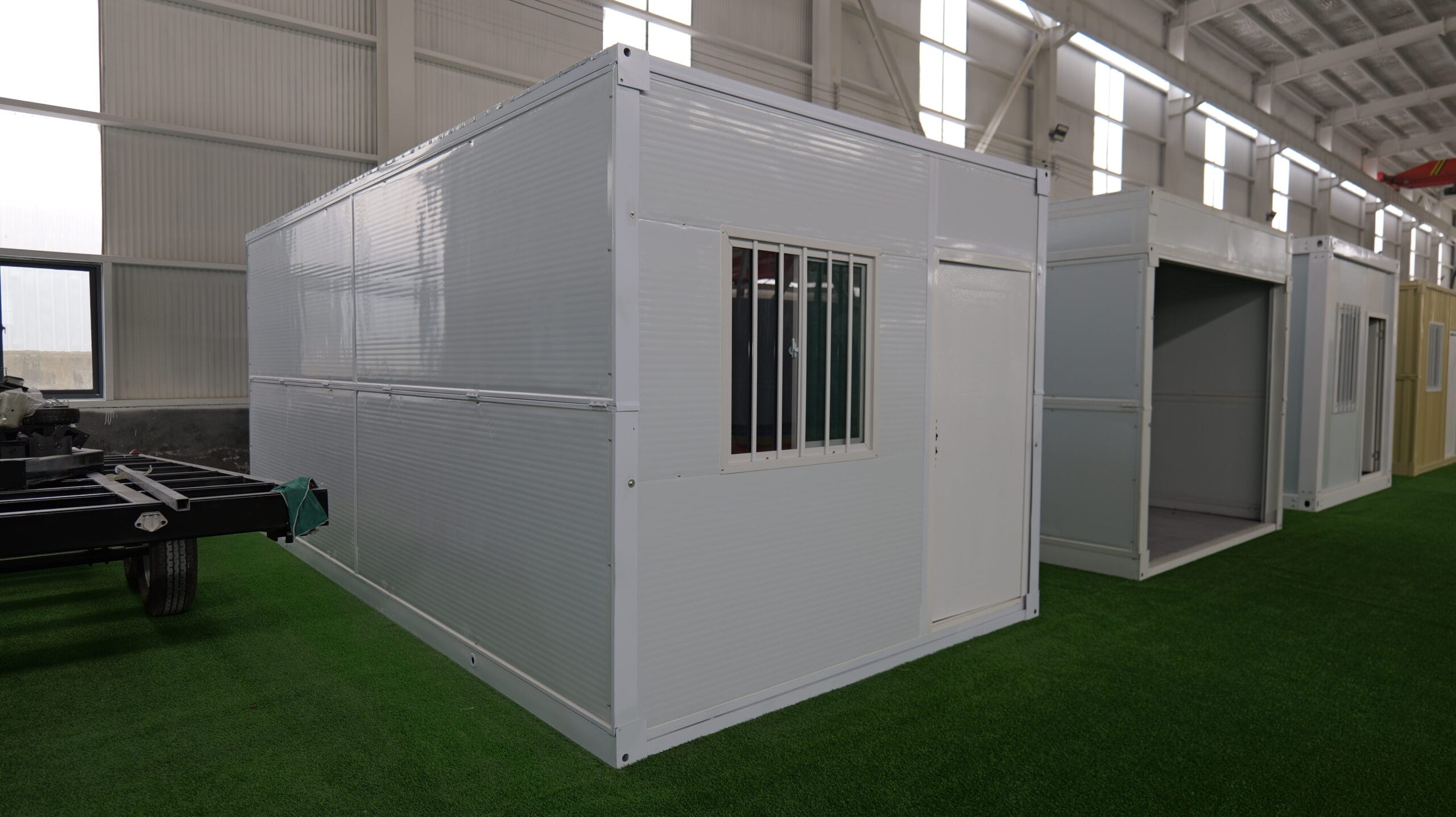
In a 20ft expandable container house, exterior care begins with knowing the finish and its maintenance instructions. Coated or galvanized metal is not a reason to ignore scratches, trapped dirt or persistent moisture. Inspect accessible areas from a safe position and note changes around edges, fixings and places where water gathers. Coastal or other demanding environments may need a more specific care plan.
Use cleaning products and repair methods approved for the actual finish. Do not grind, repaint or cover a mark before understanding whether it is superficial damage or a sign of a larger issue. Record the location with clear photographs and contact the appropriate support person. Keep vegetation, stored items and added structures from trapping moisture against surfaces. Claims such as corrosion resistant describe a material choice, while the real condition still depends on exposure, detailing and care over time.
Take a clear photograph of accessible exterior edges and fixings when the finish is in normal condition. Later comparisons can show whether a mark is new or changing. Notice places where dirt or moisture collects, including behind stored objects. Keep those areas reachable for suitable inspection and care.
Ask about the actual finish and approved repair procedure before treating a scratch or discolored area. Avoid hiding the observation under a new coating without understanding it. Local exposure can affect the care needed, so discuss demanding environments specifically. A general corrosion-resistance description does not remove the need for maintenance. Useful care is based on the condition of this unit and its finish, with a record of what changed and which action was taken.
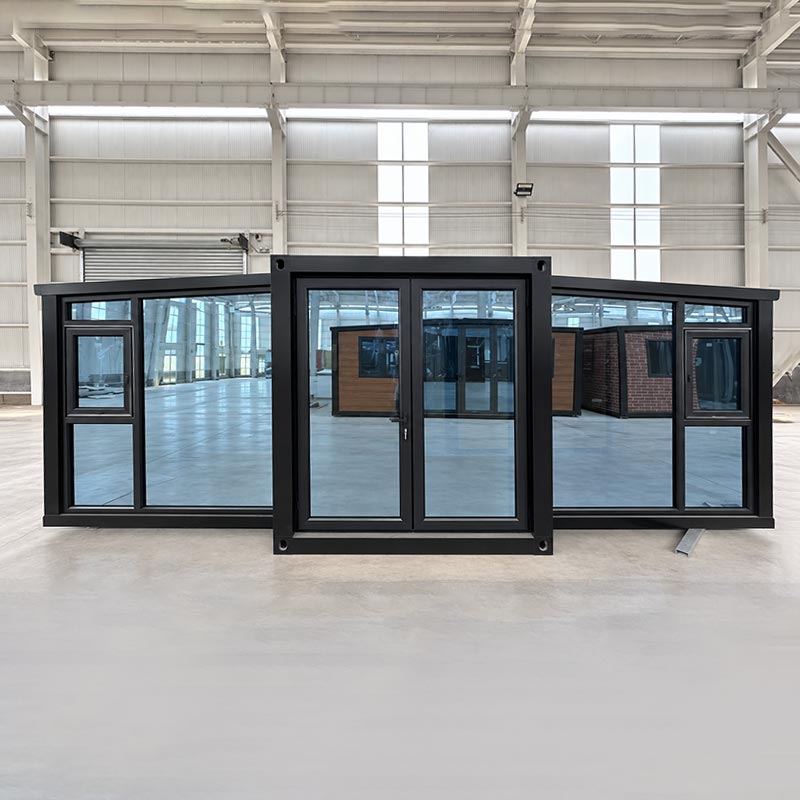
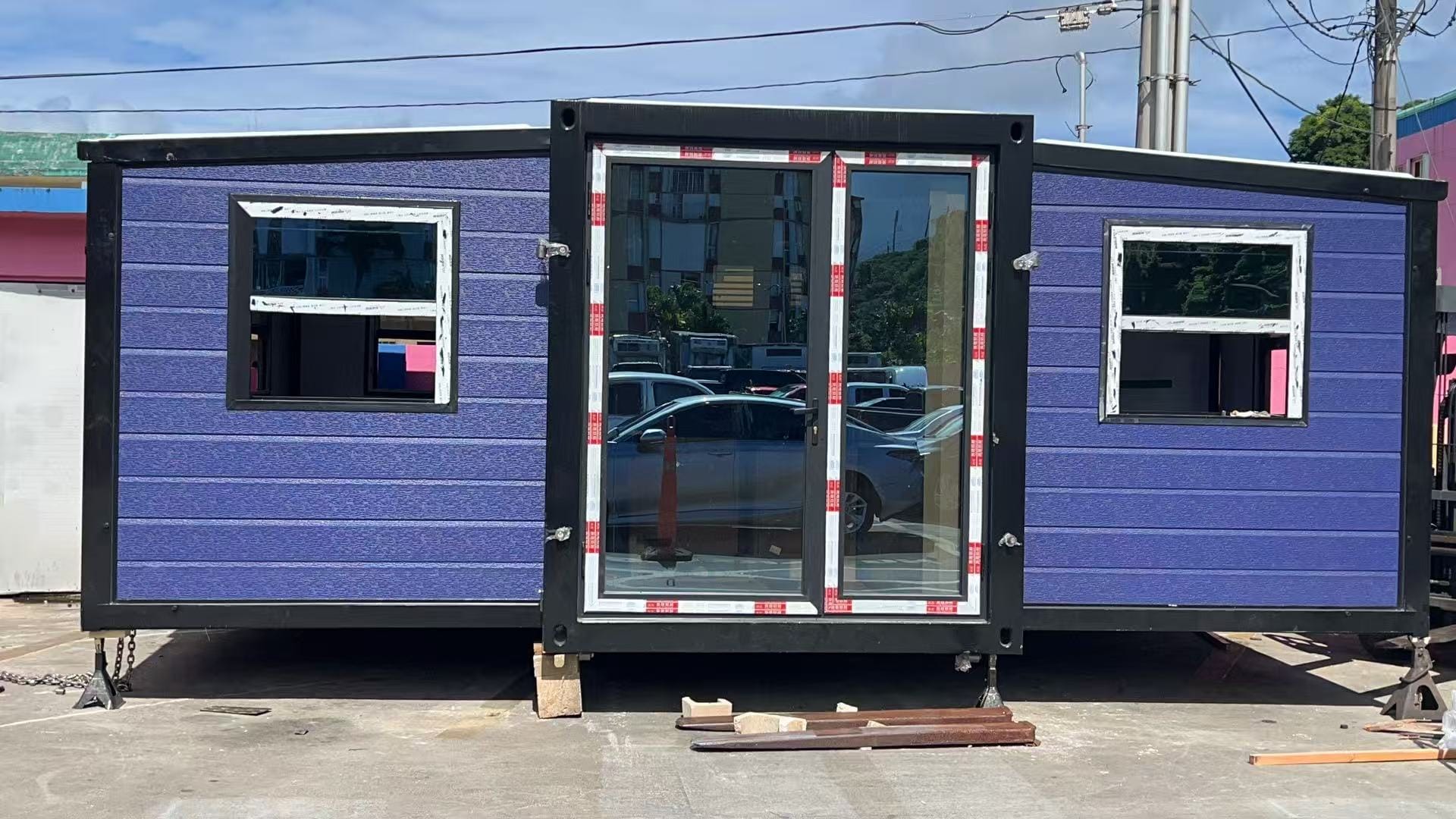
The double-wing format is transported in a closed state and deployed at the site. Use the selected deployed drawing when arranging furniture and outdoor access. The 20ft Double Wing Expandable Container House page is a useful place to compare the actual configuration.
The flat-roof double-wing house listing also discusses an optional gable roof. Compare that option with the selected configuration and site instead of assuming it is included.
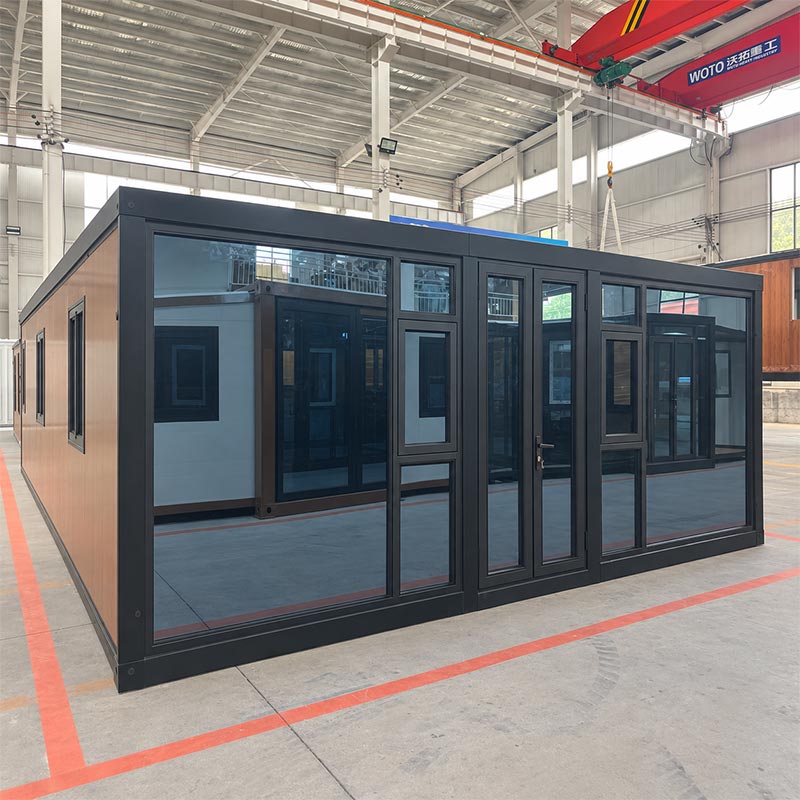
Document Delivery Damage Clearly
Inspect accessible packaging and surfaces before normal handling obscures their arrival condition. Photograph the overall unit, the package label and any affected area from more than one distance. A close-up shows detail, while a wider view explains where the mark is. Keep the original files with the date and delivery information.
Report concerns through the agreed delivery and support process promptly. Describe what you can observe rather than diagnosing hidden damage from one mark. Ask before removing important packaging or attempting a repair that could change the evidence. Once the unit is safely positioned, follow the agreed inspection sequence for doors, windows, finishes and supplied parts. Some checks need suitable qualified people, particularly where services or concealed components are involved. An orderly record helps resolve a real issue more effectively than a collection of unlabeled photographs sent at different times.
Choose a Place for Cleaning Equipment
A broom, vacuum or mop should have a place before move-in, because they are awkward objects to hide afterward. Store wet cleaning tools so they can dry appropriately, and keep cleaning products safely organized according to their labels. Make charging arrangements suitable where cordless equipment is used. A slim accessible cupboard can be more useful than extra display shelving. Keep the equipment reachable without disturbing service panels or emptying a storage box first.
Photograph Packaging Before Discarding It
Take a clear overall picture of labeled packages and any visible concern while the arrival condition can still be understood. Keep labels and useful protective material until the contents have been checked through the agreed process. Do not alter an affected area merely to make the photograph neater. An organized set of arrival images helps distinguish missing accessories, packaging damage and later handling marks. Store it with the delivery documents rather than in an unrelated photo folder.
Build a Cleaning Routine That Takes Little Effort
Reduce the number of obstacles before buying more cleaning products. A floor which can be reached without moving several loose items is easier to maintain. Give bags, shoes and charging leads a place above or beside the main walking route. Choose furniture with access underneath or a closed base which suits the floor and cleaning method.
Work from the areas which collect dirt fastest: the entrance, cooking surface, bathroom and places where pets rest. Keep a modest cleaning kit nearby and use products suitable for the actual finishes. Check manufacturer guidance before using steam, strong solvents or abrasive pads. Regular light care is usually easier to sustain than an ambitious occasional deep clean. Leave access to windows, vents and service panels so cleaning and inspection do not require dismantling furniture or moving heavy storage.
Keep Claims About Comfort Tied to the Full Specification
Ask which wall, roof, floor, window and ventilation details support a comfort claim. A single material name or a general description cannot establish the behavior of every configuration and site. Where performance is a deciding factor, request relevant information for the specified assembly. Keep examples and illustrations separate from tested results. This lets you discuss the practical outcome you want without inventing a rating, a service life or a promised energy saving.
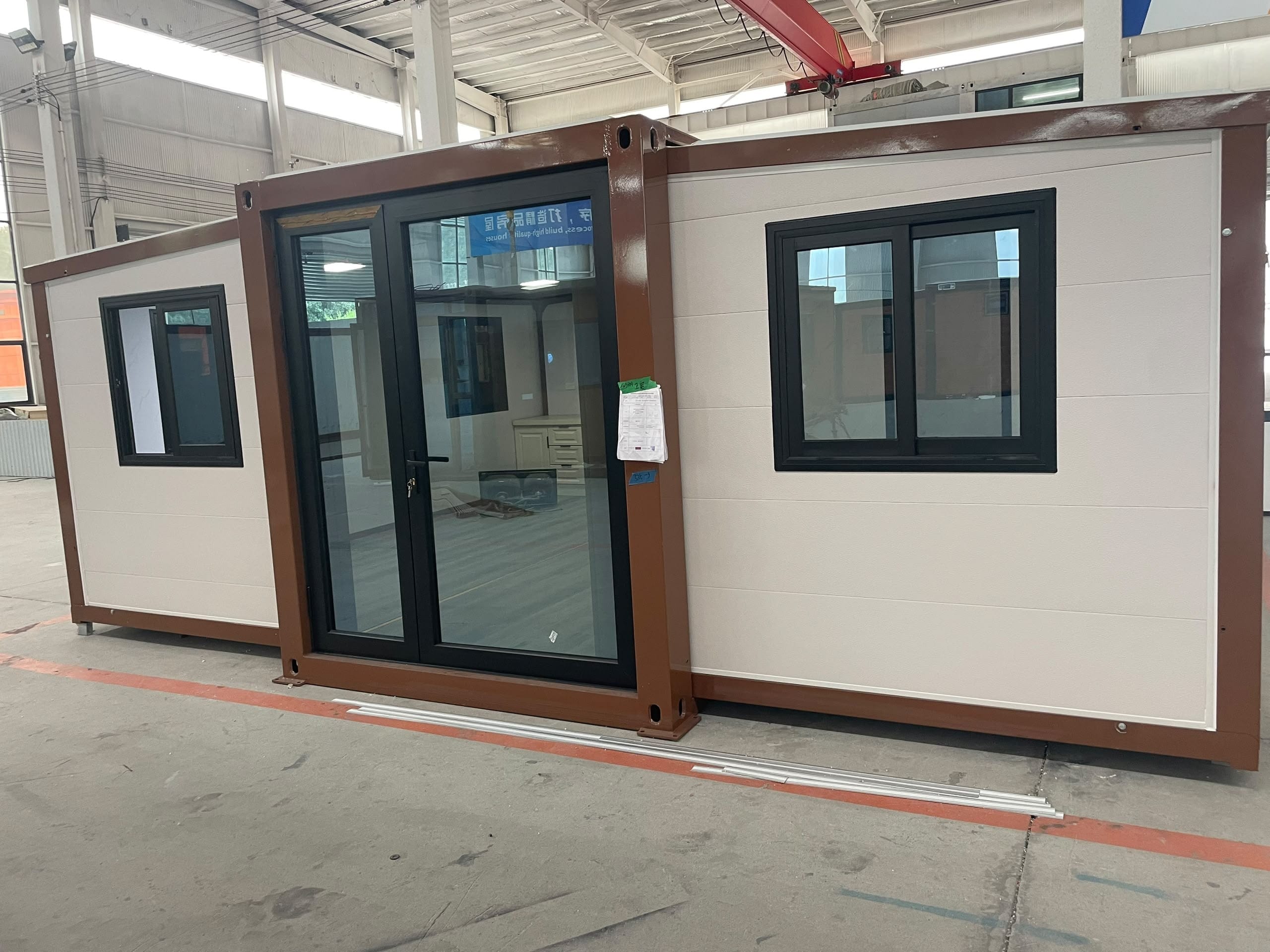
Put the advice into practice
- Identify the finish.
- Photograph changes at edges and fixings.
- Use approved cleaning and repair methods.
Understand Window Condensation Before Making Changes
Water on the inside of a window often comes from humid indoor air meeting a colder surface. Check whether the moisture is indoors, outdoors or between the panes before deciding what it means. Note when it appears and which activities came first. Showering, cooking and drying laundry can all add moisture, but a leak can also leave wet marks that need a different response.
Dry the affected area and improve the everyday moisture routine while investigating the cause. Keep bathroom and kitchen ventilation working, and avoid pressing furniture or stored fabrics tightly against cold corners. A simple humidity reading can make observations more useful, but it does not replace checking the building details. Persistent wet patches, damaged seals or repeated water entry deserve inspection. Adding insulation or sealing gaps without understanding moisture movement can create new problems, so discuss material changes with someone familiar with the wall and roof system.
Keep Furniture Away From Persistent Damp Corners
A damp corner needs attention even when it can be hidden behind storage. Leave suitable access to inspect and clean the area, record when moisture appears and seek help to identify the cause. Pressing a large cupboard against it can make drying and observation harder. Water entry, surface temperature and indoor moisture may need different responses. Do not treat a new piece of furniture as a way to disguise a building or ventilation problem.
Decide What a Successful First Month Looks Like
Describe success in ordinary terms: a clear entrance, a useful kitchen surface, dry towels, comfortable seating or a desk that stays ready. Review the room against those outcomes after a few weeks. Keep what works and adjust a specific repeated inconvenience. Avoid replacing furniture simply because the arrangement no longer resembles the original photograph. The room should improve with use as you learn which practical details matter most to its occupants.
An example to test on your sketch
Imagine a couple using the room for everyday living. On the sketch, show the living area around a central entrance and the two deployed side spaces. For this decision, take the first practical check literally: Identify the finish. Then review photograph changes at edges and fixings. Finally, use approved cleaning and repair methods. The exercise is useful only if it includes the belongings and activities normally present, rather than a permanently empty display room.
| When to look | What to check |
|---|---|
| Before choosing the arrangement | Identify the finish. |
| When testing everyday use | Photograph changes at edges and fixings. |
| Before making a fixed change | Use approved cleaning and repair methods. |
For a broader explanation, see An overview of modular buildings. Use general housing guidance alongside the selected product drawings and advice for the actual site.
For a layout question, compare the available customization options with the routine you want the room to support. Keep the question specific to the selected drawing and the way the space will be used.
How do I look after exterior metal finishes?
Identify the finish. Photograph changes at edges and fixings.
What should the layout or specification confirm?
Confirm the actual room arrangement, openings and included equipment on the selected drawing. For this topic, use approved cleaning and repair methods.
Can I judge this from an exterior photo alone?
A photo can help identify a useful question, but it does not show every dimension, option or site condition. Exterior care begins with knowing the finish and its maintenance instructions.