
On this page
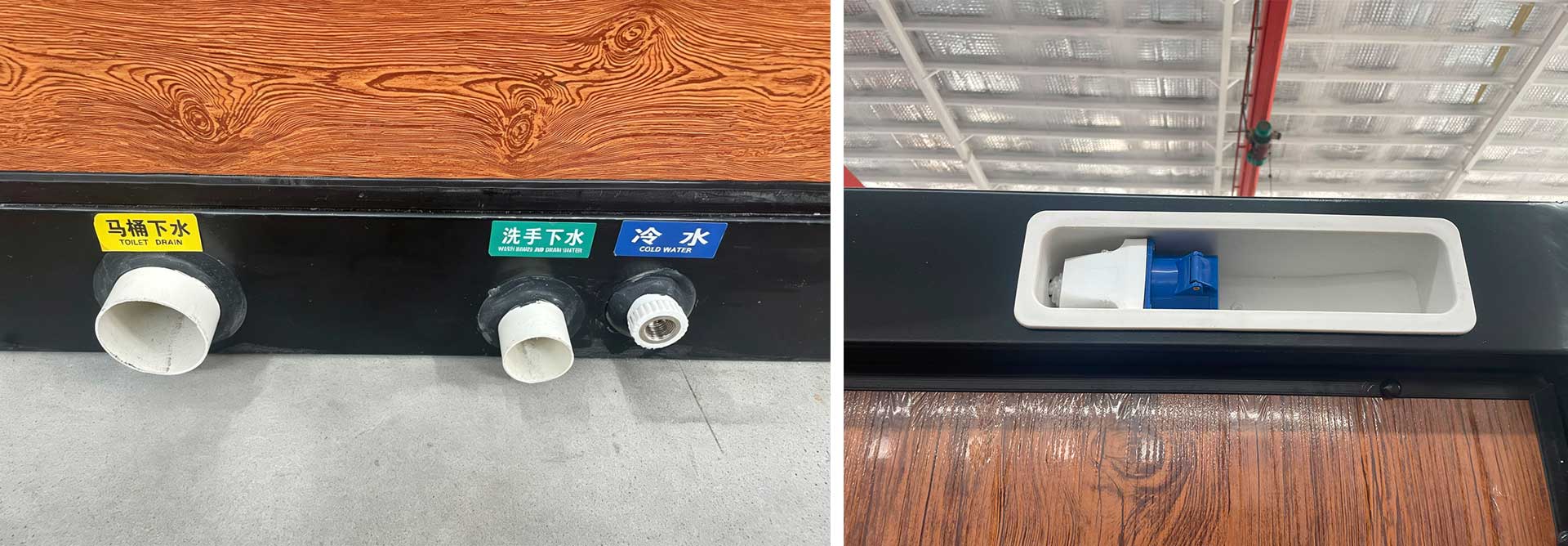
In a folding container house, begin with the daily pattern: one quick shower, several people showering in sequence, or frequent kitchen use. These needs can produce different equipment choices even in similarly sized homes. Ask what hot-water equipment, if any, is included, where it sits and what supply or venting arrangements it requires.
Consider the space needed for maintenance as well as the size of the appliance. A unit hidden neatly behind a cupboard may become difficult to inspect or replace. Plumbing and electrical or fuel connections need suitable professional attention and must follow the equipment instructions. If showers are shared, discuss how the system will perform across the expected routine rather than relying on a label such as family size. During handover, learn the normal controls and shutdown process so occupants can use the system confidently.
Compare a single occupant taking one shower with several people showering in sequence. Both may use the same floor plan while needing a different hot-water arrangement. Describe the real routine when discussing equipment, and ask which unit is included rather than relying on a generic bathroom package name.
Keep the equipment's maintenance and replacement route visible. A neat enclosure should not prevent appropriate access or ventilation. Have connections completed and checked by suitable people following the installed system's requirements. During handover, learn the normal controls and the procedure for questions or a shutdown. This gives occupants a useful daily understanding without asking them to become specialists in hot-water equipment or guess settings from a similar appliance online.
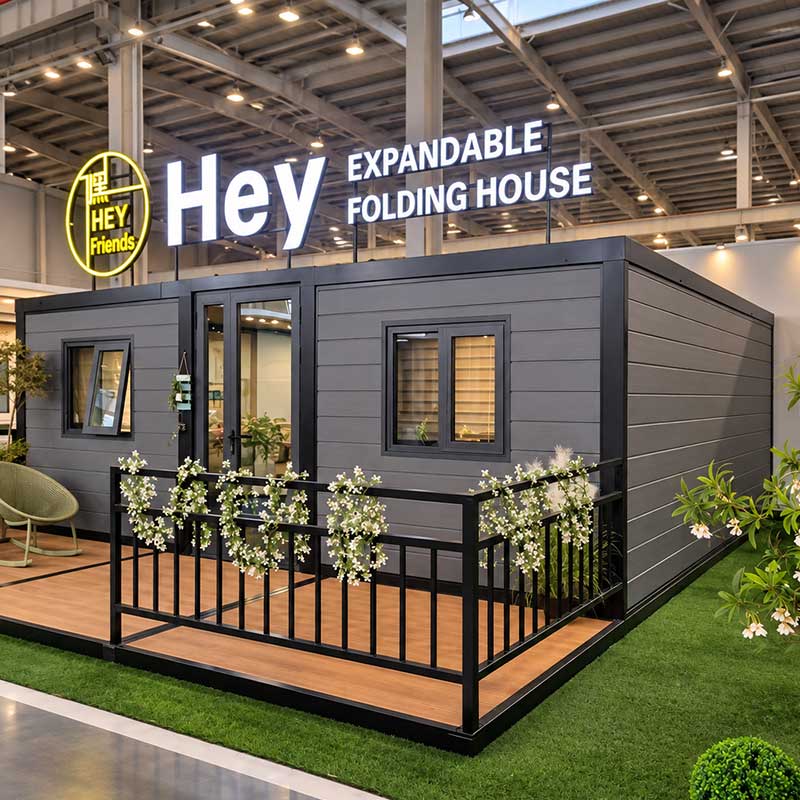
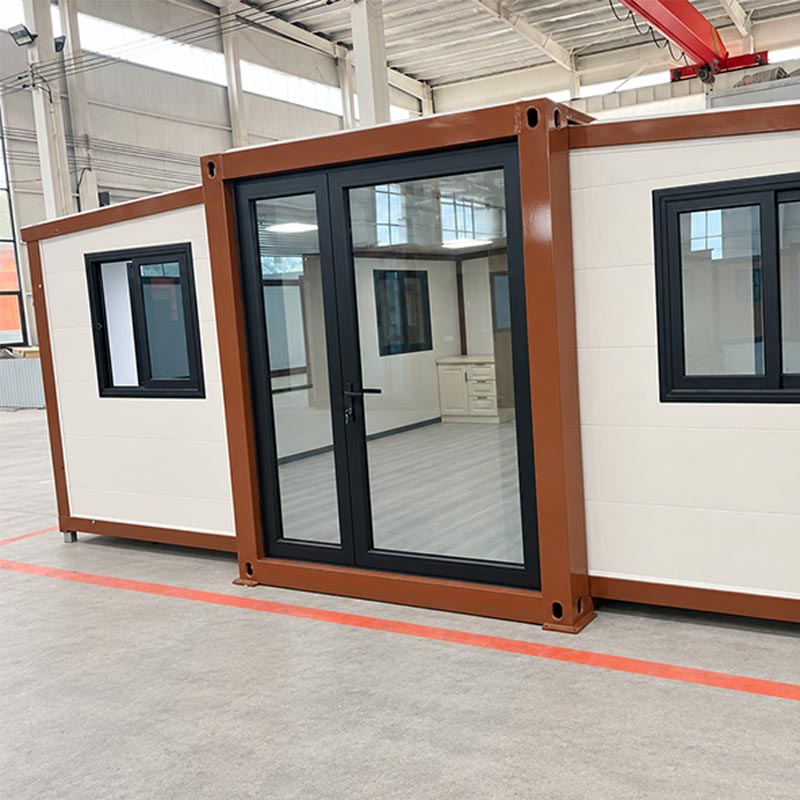
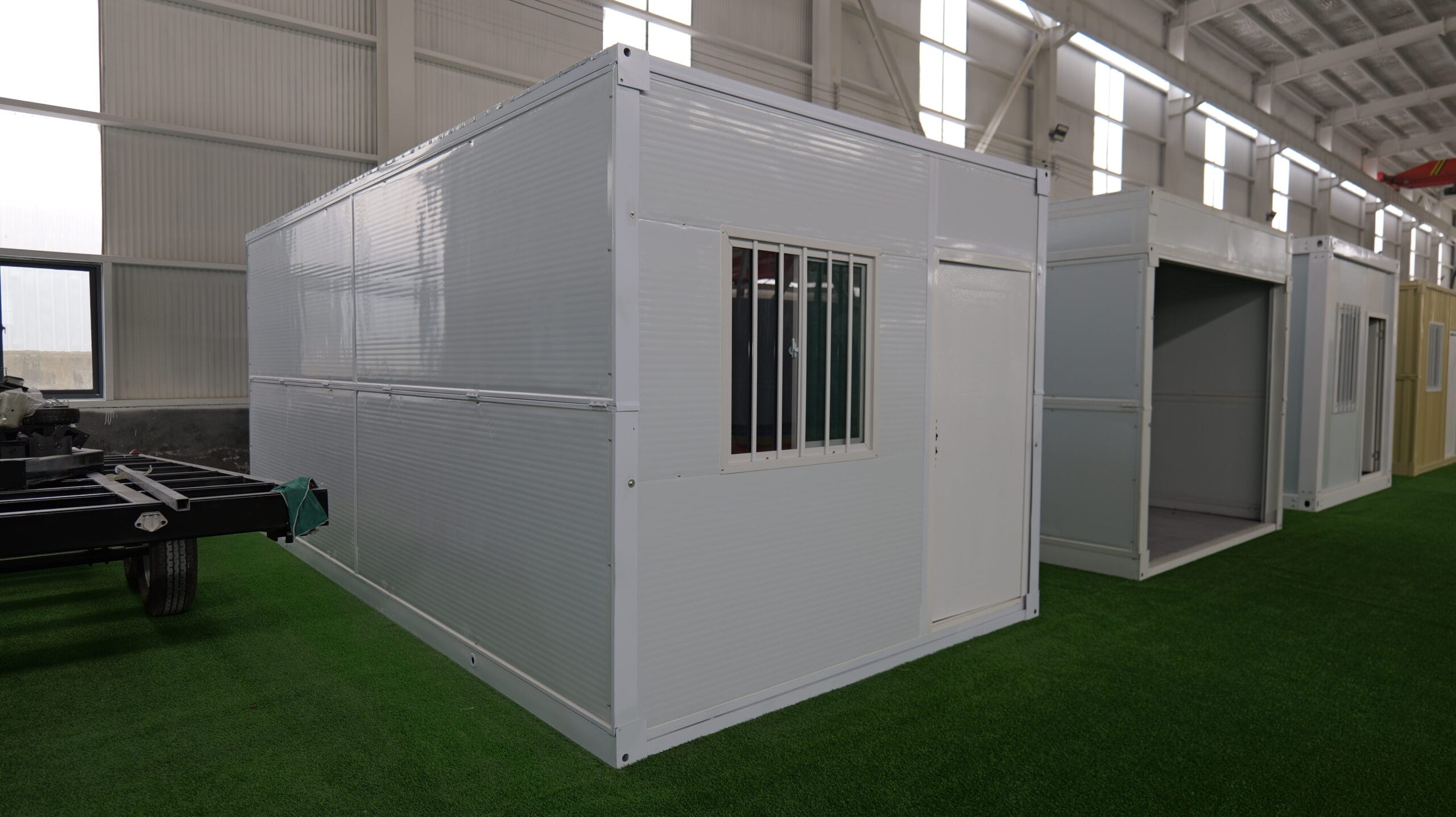
The folding format is delivered in a compressed transport state and set up for use at the site. Its transport depth should not be mistaken for the dimensions of the finished room. The Folding Container House page is a useful place to compare the actual configuration.
Three checks to make first
- Describe the shower routine.
- Confirm equipment inclusion and access.
- Learn the normal controls at handover.
A practical way to assess the room
Put Power Points Where Daily Life Needs Them
Walk through an ordinary day and list the equipment used in each area. Bedside charging, a kettle, a desk, cleaning equipment and outdoor lighting can all compete for a few badly positioned outlets. Mark the preferred locations on the floor plan while the electrical arrangement is still being discussed.
Outlet quantity is only one part of the design. The supply, circuits, equipment loads, protection and installation requirements need suitable qualified input. Avoid treating a long extension lead as a permanent substitute for a workable arrangement. Keep leads away from wet areas, doors and walking routes. Confirm which fittings are supplied, which are options and who makes the final site connections. A product photograph showing a socket does not establish that the finished installation is suitable for every destination or appliance.
Prepare a Home That Will Be Empty for a While
The right shutdown routine depends on the installed equipment, local weather and how long the home will be unused. Collect the instructions for water, hot water, electrical equipment and ventilation before leaving. Decide which services should remain operating and which should be isolated, with suitable advice for the actual installation.
Remove food waste, clean wet areas and let textiles dry. Arrange a trusted check where appropriate, especially if weather or service interruptions could affect the building. Do not simply seal every opening and assume the room will stay dry. Keep a record of the settings and isolation steps so restarting is straightforward. If the room is a seasonal stay, a short written checklist inside the handover folder can prevent repeated uncertainty each time it is closed for a period.
Review Maintenance Access After Furnishing
Walk the room once the furniture plan is complete and check access to windows, vents, controls and service panels. A drawing may show these clearly before a large cabinet or bed is added. Keep frequently needed points reachable without moving heavy objects. Where access is occasional, make sure the furniture can be moved in a practical way. This final pass can prevent an attractive layout from making an ordinary check or small repair unnecessarily difficult.
Keep Spare Parts Identifiable
Store supplied spare fittings with a label showing the model, location and any part number. A small unlabeled bag can become impossible to match after a move. Keep relevant installation instructions and ask which parts are intended for routine replacement by a competent person. Do not substitute a similar-looking seal or connector without checking suitability. Identifiable spares can shorten a maintenance conversation and reduce unnecessary ordering without promising that every repair will be simple.
What to confirm before making changes
Dry Laundry Without Making the Home Damp
Drying clothes indoors adds moisture to the room. Before choosing a rack, decide where that moisture can go. A rack placed in the only walkway creates a movement problem as well as a drying problem. Give wet clothing a ventilated location and enough space between items for air to move around them, while keeping it clear of heaters and cooking equipment.
Outdoor drying can be useful when the weather and surroundings allow it. If you need indoor drying regularly, discuss suitable extraction or drying equipment rather than relying on an open window in every season. Check whether a dryer needs an external vent or a drainage arrangement, and follow its installation requirements. Put the rack away fully when it is not needed so laundry does not permanently occupy the living area. Avoid closing a loaded rack into an unventilated cupboard simply to hide the clothes.
Use One Clear Surface for Several Short Tasks
A clear surface can support breakfast, paperwork or a hobby at different times, provided changing tasks is easy. Store the supplies for each task together nearby and decide where they go when the surface changes use. Do not count the same table as three separate working areas if the activities happen at once. The useful question is whether the household's timing makes sharing practical. Try the transition on a normal busy day before buying specialized furniture for every activity.
Leave Some Storage Empty for the Occupant
Display objects can make a photo attractive while consuming the shelves visitors or occupants need. Reserve genuinely usable space for clothing, toiletries and a few personal items. A partially empty cupboard can be more welcoming than a completely styled one. In shared or guest accommodation, make the available areas obvious. This avoids the common situation in which the room appears to have ample storage but every useful drawer is already filled with supplies or decoration.
Photograph Packaging Before Discarding It
Take a clear overall picture of labeled packages and any visible concern while the arrival condition can still be understood. Keep labels and useful protective material until the contents have been checked through the agreed process. Do not alter an affected area merely to make the photograph neater. An organized set of arrival images helps distinguish missing accessories, packaging damage and later handling marks. Store it with the delivery documents rather than in an unrelated photo folder.
Try the plan with a real routine
Imagine someone using a compact room for a longer temporary stay. On the sketch, show a straightforward single-room arrangement with compact circulation. For this decision, take the first practical check literally: Describe the shower routine. Then review confirm equipment inclusion and access. Finally, learn the normal controls at handover. The exercise is useful only if it includes the belongings and activities normally present, rather than a permanently empty display room.
For a broader explanation, see An overview of prefabricated homes. Use general housing guidance alongside the selected product drawings and advice for the actual site.
For a layout question, compare the available customization options with the routine you want the room to support. Keep the question specific to the selected drawing and the way the space will be used.
How do I plan hot water around the way you use it?
Describe the shower routine. Confirm equipment inclusion and access.
What should the layout or specification confirm?
Confirm the actual room arrangement, openings and included equipment on the selected drawing. For this topic, learn the normal controls at handover.
Can I judge this from an exterior photo alone?
A photo can help identify a useful question, but it does not show every dimension, option or site condition. Begin with the daily pattern: one quick shower, several people showering in sequence, or frequent kitchen use.