
On this page
In a 20ft expandable container house, mud control starts outside the door. Identify the route people actually take from the parking space, garden or work area, then give that route an appropriate stable surface. A beautiful path that nobody uses will not keep the floor clean. Keep rain runoff from crossing the final approach where practical, and choose entry surfaces that remain usable in the local weather.
Create a small sequence for arriving home: scrape footwear, step onto a suitable mat, remove wet shoes and place them somewhere they can dry. Each step needs enough space to avoid balancing in the doorway. Put cleaning equipment nearby without crowding the main route. Inside, a removable washable mat may be easier to maintain than a permanent absorbent floor covering. Make sure it lies flat and does not interfere with the door or become a trip point.
Walk from the place where shoes get muddy to the room. The route may cross a garden edge which is absent from the tidy site plan. Put the cleaning and drying sequence along that real approach, with enough room to use it while carrying something. A mat alone cannot solve a path which directs mud and runoff straight to the door.
Inside, choose a small area which can tolerate ordinary arrival and be cleaned easily. Keep the mat flat, the door clear and wet items out of closed storage until they can dry appropriately. Review the system after a wet week rather than after one careful demonstration. If people keep bypassing a step, simplify it. An entrance routine works when it fits normal behavior, including hurried mornings and arriving with full hands.
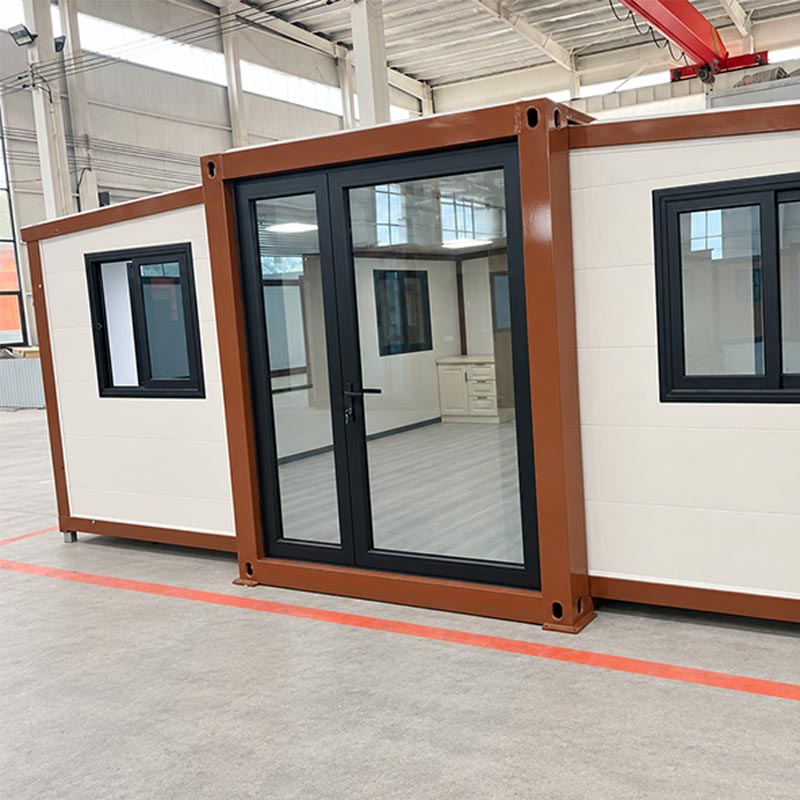
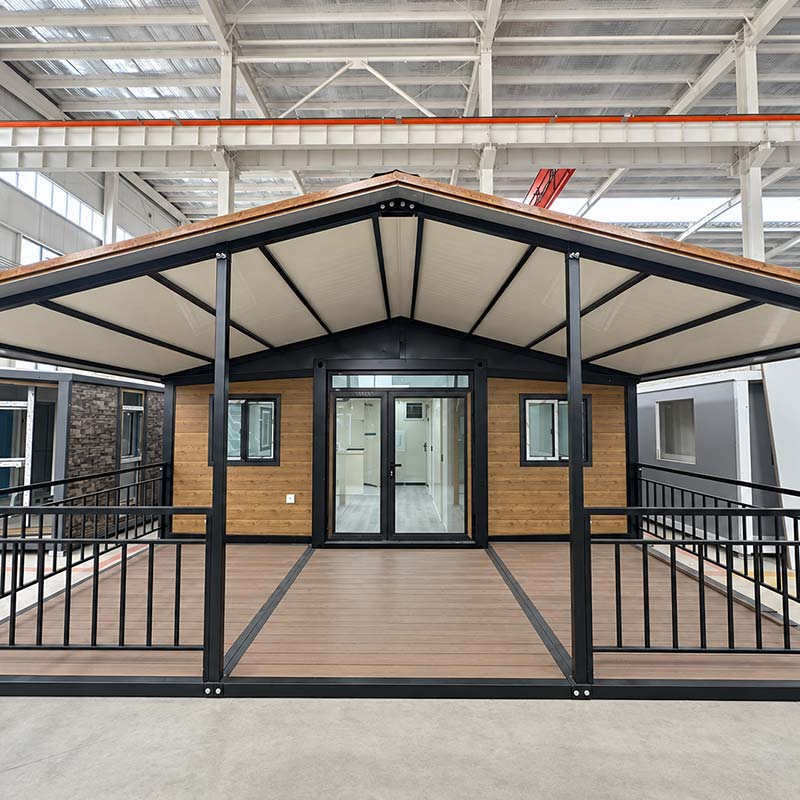
The double-wing format is transported in a closed state and deployed at the site. Use the selected deployed drawing when arranging furniture and outdoor access. The 20ft Double Wing Expandable Container House page is a useful place to compare the actual configuration.
Use the First Week to Improve the Layout
Treat the first week as an observation period. Notice where bags land, which cupboard is awkward, where glare reaches the desk and which route gets blocked. Keep a short list before buying more storage or adding fittings. Everyday behavior provides better evidence than trying to perfect the room entirely from a drawing.
Make small reversible adjustments first. Move a chair, change a storage allocation or try a different lamp position. Keep doors, ventilation and service access available. If a problem involves the building or installed equipment, follow the handover instructions and seek suitable support rather than disguising it with furniture. At the end of the week, separate a habit which needs a better place from a fitting which needs attention. That distinction helps the room become easier to live in without unnecessary purchases.
Test the Room With a Laundry Basket
A laundry basket is a useful full-size test object because it is wider than an empty-handed person. Carry one around the proposed furniture arrangement, or use its measured outline on the plan. Try the entrance, bed corner and bathroom approach. A route which only works when you turn sideways every time will be irritating in daily use. Adjust furniture depth or position before deciding that more building area is the only possible answer.
Give Outdoor Seating a Real Weather Test
Test the intended seat when sun, wind or damp ground is likely, rather than only when the outlook looks inviting. Check glare, privacy and how a drink or book can be placed safely. Outdoor furniture should not block the entrance or the route needed for inspection. If shelter is added, have its structure and connections designed appropriately. A small regularly used sheltered corner may offer more enjoyment than a large exposed platform which is uncomfortable at the hours you actually visit.
Arrange Shared Space for a Family With Children
Family space needs room for several activities at once. Draw the places for sleeping, meals, play and clothing, then consider what happens when toys are in use. A wide empty floor area in a brochure does not tell you where the everyday belongings will go. Low, reachable storage can make tidying easier, provided furniture and fixings are suitable for the intended use.
Look at the home from a child's height as well as an adult's. Window arrangements, blind cords, accessible hot surfaces and furniture stability all deserve appropriate attention. Preserve clear movement routes and do not use temporary partitions in ways that block exits or ventilation. Give adults a practical line of sight to a play area without turning every room into one shared space. Before confirming a family layout, act out an ordinary school morning and bedtime routine on the drawing.
Give Delivery Teams Current Site Information
Send current measurements and photographs through the agreed coordination process, especially if gates, ground conditions or nearby works have changed. A route assessment based on an old image can become misleading. Identify the final approach and intended placement area clearly without making your own assumptions about vehicle capability. Let the competent transport and handling providers assess the actual operation. Accurate site information is one of the most useful things an occupant can contribute before delivery.
Plan a Rural Stay Around Real Site Conditions
Rural comfort depends on access, services, exposure and the daily routine at the location. Check the route in the conditions likely during delivery and ordinary visits. Identify water, wastewater, electricity and communications arrangements separately. An open piece of land may offer a beautiful outlook while requiring substantial preparation before a room can be used there.
Consider mud, dust, insects and changes in weather when planning the entrance and windows. Keep maintenance and emergency access in the site arrangement. If local services are limited, have suitable systems assessed rather than assuming a product described as portable is automatically independent of infrastructure. Visit at more than one time if possible. A windy evening or wet morning can teach you more about the practical location than a sunny photograph taken from the road.
Leave Some Storage Empty for the Occupant
Display objects can make a photo attractive while consuming the shelves visitors or occupants need. Reserve genuinely usable space for clothing, toiletries and a few personal items. A partially empty cupboard can be more welcoming than a completely styled one. In shared or guest accommodation, make the available areas obvious. This avoids the common situation in which the room appears to have ample storage but every useful drawer is already filled with supplies or decoration.
Plan a Wet-Weather Activity Indoors
Imagine spending an unexpected rainy afternoon inside. Is there somewhere comfortable to sit, read, eat or play a quiet game without staying on the bed? Keep a usable surface and seating appropriate to the normal occupants. A stay organized entirely around outdoor activities can feel cramped when the weather changes. This test is particularly helpful when comparing attractive holiday-room layouts whose photographs show terraces and views but very little ordinary indoor living space.
Keep a Simple Household Observation Log
Write down the time, weather, activity and location when a recurring inconvenience appears. A few clear entries can show whether glare follows afternoon sun, dampness follows showers or noise follows a particular appliance. Do not turn the log into a complicated monitoring project. Its purpose is to make a practical question easier to understand and to help compare the result of an agreed change with the original condition.
Start with these practical observations
- Follow the real arrival route.
- Provide a drying place for footwear.
- Use a mat that stays flat and clears the door.
A simple way to review the decision
Imagine a couple using the room for everyday living. On the sketch, show the living area around a central entrance and the two deployed side spaces. For this decision, take the first practical check literally: Follow the real arrival route. Then review provide a drying place for footwear. Finally, use a mat that stays flat and clears the door. The exercise is useful only if it includes the belongings and activities normally present, rather than a permanently empty display room.
For a broader explanation, see An overview of prefabricated homes. Use general housing guidance alongside the selected product drawings and advice for the actual site.
For a layout question, compare the available customization options with the routine you want the room to support. Keep the question specific to the selected drawing and the way the space will be used.
How do I keep mud out of a compact living space?
Follow the real arrival route. Provide a drying place for footwear.
What should the layout or specification confirm?
Confirm the actual room arrangement, openings and included equipment on the selected drawing. For this topic, use a mat that stays flat and clears the door.
Can I judge this from an exterior photo alone?
A photo can help identify a useful question, but it does not show every dimension, option or site condition. Mud control starts outside the door.