
On this page
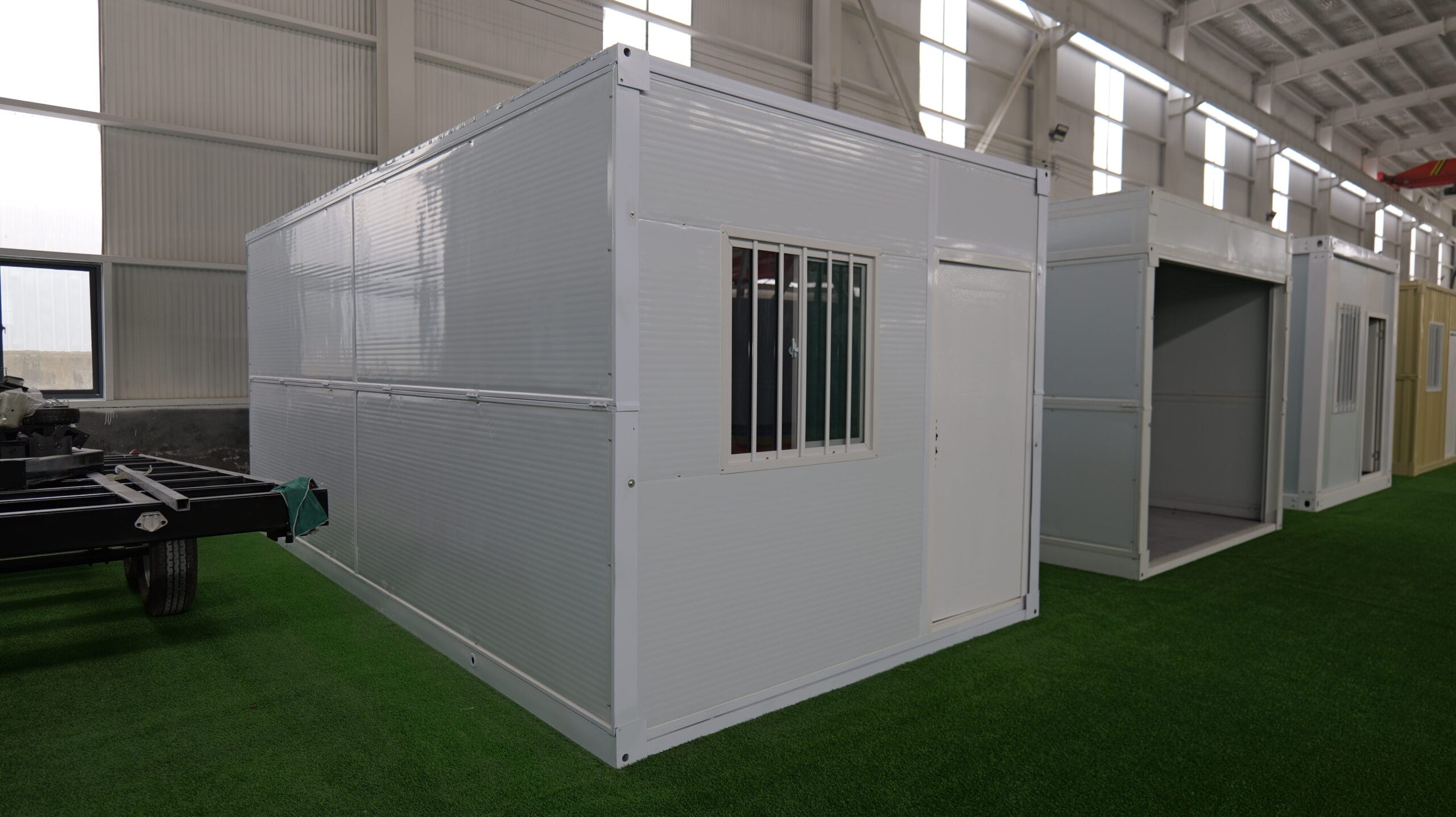
In a 40ft expandable container house, separate design confirmation, production, shipping, local delivery, setup and service commissioning. These stages do not necessarily follow one another without a gap. A house leaving the factory is different from a room ready to sleep in. Ask which dates are estimates and what each stage depends on before making other commitments.
Work backward from the date the room is needed. Site access, supports, local services and suitable installers may need preparation while the unit is being produced or shipped. Include time to check the delivered configuration and deal with questions. Avoid building an entire holiday, move or guest booking around an unconfirmed arrival date. A simple timeline with named responsibilities makes uncertainty visible early and helps identify which task can proceed while another stage is waiting.
Work backward from the date the room must be usable and place each stage on a line: final decisions, production, shipment, local arrival, placement, setup and checks. Mark which dates are confirmed and which depend on earlier work. A single lead-time statement cannot explain all these stages.
Add site preparation and local service work to the same line. These tasks may proceed while the building is elsewhere, but they still need an owner. Keep an alternative plan where occupancy timing is uncertain. A useful timeline makes the next dependency visible and can be updated when circumstances change. It should not turn an estimated shipping date into a promise that visitors can sleep in the room that evening.
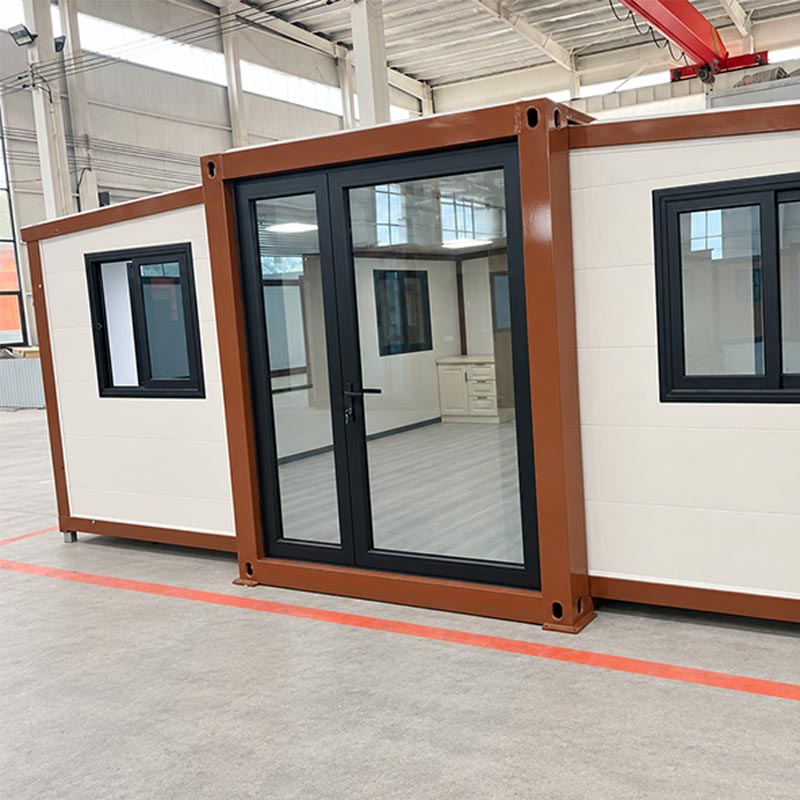
A 40ft product name is a size label, not a complete floor plan. Check the selected room arrangement, actual clear dimensions and service locations before allocating separate activities. The 40ft Double Wing Expandable Container House page is a useful place to compare the actual configuration.
Document Delivery Damage Clearly
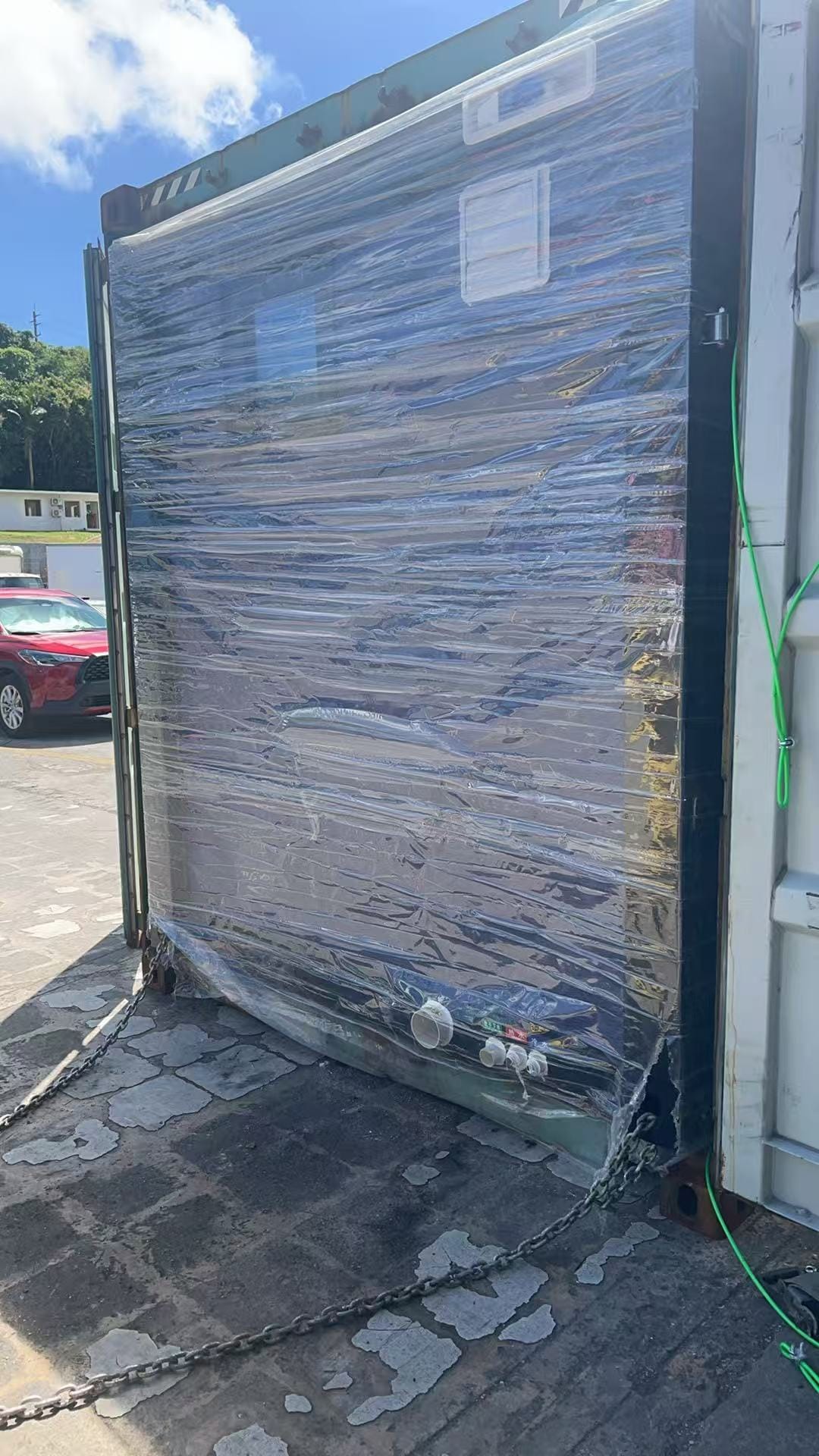
Inspect accessible packaging and surfaces before normal handling obscures their arrival condition. Photograph the overall unit, the package label and any affected area from more than one distance. A close-up shows detail, while a wider view explains where the mark is. Keep the original files with the date and delivery information.
Report concerns through the agreed delivery and support process promptly. Describe what you can observe rather than diagnosing hidden damage from one mark. Ask before removing important packaging or attempting a repair that could change the evidence. Once the unit is safely positioned, follow the agreed inspection sequence for doors, windows, finishes and supplied parts. Some checks need suitable qualified people, particularly where services or concealed components are involved. An orderly record helps resolve a real issue more effectively than a collection of unlabeled photographs sent at different times.
Photograph Packaging Before Discarding It
Take a clear overall picture of labeled packages and any visible concern while the arrival condition can still be understood. Keep labels and useful protective material until the contents have been checked through the agreed process. Do not alter an affected area merely to make the photograph neater. An organized set of arrival images helps distinguish missing accessories, packaging damage and later handling marks. Store it with the delivery documents rather than in an unrelated photo folder.
Decide What a Successful First Month Looks Like
Describe success in ordinary terms: a clear entrance, a useful kitchen surface, dry towels, comfortable seating or a desk that stays ready. Review the room against those outcomes after a few weeks. Keep what works and adjust a specific repeated inconvenience. Avoid replacing furniture simply because the arrangement no longer resembles the original photograph. The room should improve with use as you learn which practical details matter most to its occupants.
Make Handover Useful for the Person Who Will Live There
Handover should explain ordinary operation as well as confirm delivery. The occupant needs to know how doors and windows work, where controls and service isolation points are, how ventilation is intended to operate and whom to contact for support. Ask for instructions which match the installed equipment and selected configuration.
Walk through an everyday routine with the person receiving the home. Try the keys, locate important documents and identify the accessible inspection points. Record unresolved items in one list with a clear contact and next action. Keep the handover pack somewhere dry and easy to find, with a digital copy if useful. A folder of generic brochures is less helpful than a short set of relevant drawings, equipment manuals, part details and operating information for the actual unit on the site.
Keep an Accessible Copy of the Current Drawing
Date the drawing used for discussions and keep older versions clearly separated. Mark agreed changes on the current revision rather than relying on memory of a call or message. The same drawing should support conversations about furniture, doors, outlets and included options. If a measurement is unclear, ask for it to be shown. A simple version habit prevents the frustrating situation in which two people agree on a change while looking at different layouts.
Put the advice into practice
- Separate each delivery stage.
- Identify dependencies.
- Confirm site readiness alongside the production schedule.
Understand a House Price Without Guessing the Final Cost
A listed house price describes only the scope attached to it. Before comparing numbers, identify the model, configuration, included fittings and delivery terms. A lower unit price may cover a different level of completion or a different point in the journey to your site. Ask for a written scope which can be compared item by item.
Keep site preparation, freight, unloading, connections, installation and local purchases visible as separate budget lines where applicable. Do not insert a generic allowance as if it were a confirmed quotation. The cost of a particular site depends on its conditions and the actual work required. If two offers differ, ask which included items or assumptions explain the difference. This approach is more useful than expecting one online headline price to represent every destination, layout and level of finish.
Keep the Most Useful Documents Available Offline
Save a suitable local copy of the drawing, equipment list, operating instructions and support contacts. A remote site or temporary connection problem can make a web-only folder inconvenient. Keep sensitive documents appropriately protected and give occupants the information they actually need. Label files clearly enough that the correct revision is easy to find. Practical documentation should reduce uncertainty at the moment a question occurs, rather than depend on searching through a long conversation with several similar attachments.
Keep Appliance Manuals With the Actual Equipment List
Record the brand and model of installed equipment where available, then keep the matching manuals together. A general brochure may describe options which are not fitted to your unit. Mark the normal control settings and the appropriate support contact without altering the manufacturer's instructions. This simple equipment list is useful when buying a filter, arranging service or explaining a problem. It also helps the next occupant avoid operating an unfamiliar system by guesswork.
An example to test on your sketch
Imagine a household sharing the room across different daily schedules. On the sketch, show a longer layout with different activities distributed along the room. For this decision, take the first practical check literally: Separate each delivery stage. Then review identify dependencies. Finally, confirm site readiness alongside the production schedule. The exercise is useful only if it includes the belongings and activities normally present, rather than a permanently empty display room.
| When to look | What to check |
|---|---|
| Before choosing the arrangement | Separate each delivery stage. |
| When testing everyday use | Identify dependencies. |
| Before making a fixed change | Confirm site readiness alongside the production schedule. |
For a broader explanation, see An overview of modular buildings. Use general housing guidance alongside the selected product drawings and advice for the actual site.
For a layout question, compare the available customization options with the routine you want the room to support. Keep the question specific to the selected drawing and the way the space will be used.
How do I build a timeline that includes more than factory production?
Separate each delivery stage. Identify dependencies.
What should the layout or specification confirm?
Confirm the actual room arrangement, openings and included equipment on the selected drawing. For this topic, confirm site readiness alongside the production schedule.
Can I judge this from an exterior photo alone?
A photo can help identify a useful question, but it does not show every dimension, option or site condition. Separate design confirmation, production, shipping, local delivery, setup and service commissioning.