
On this page
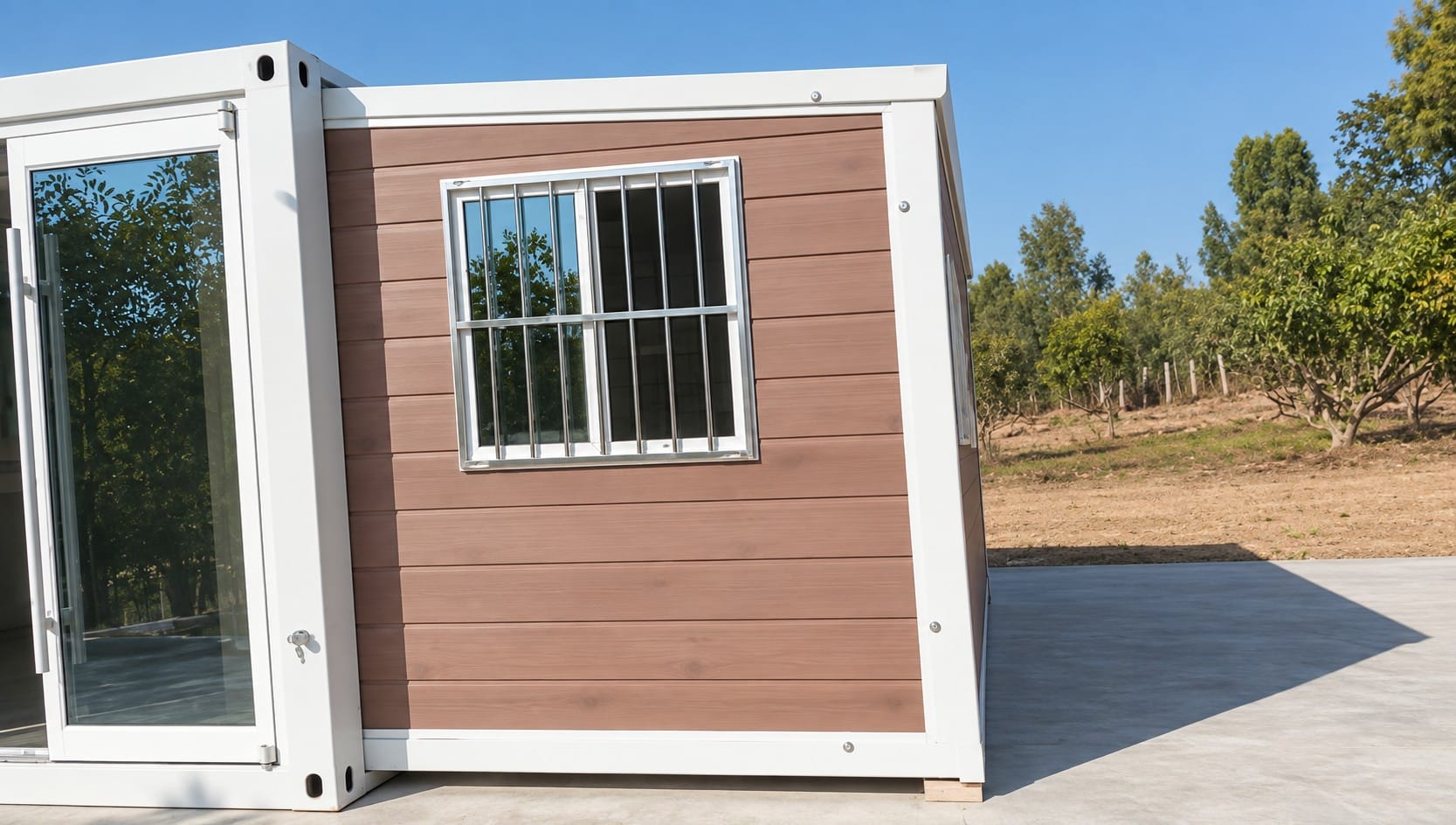
In a flat pack container house, a comfortable entrance gives you a place to pause, close an umbrella and remove wet shoes without soaking the living area. Watch where rain lands around the door and where roof runoff reaches the ground. A small sheltered landing can be more useful than a large exposed platform. Any canopy or added structure needs a suitable approved connection and support arrangement for the building and site.
Keep the threshold and drainage details visible when considering mats or decking. A thick mat that catches an opening door can become an everyday annoyance. A surface that holds water against the doorway may create a problem even if it looks attractive when dry. Give coats and umbrellas a drying place which does not block ventilation. After a heavy shower, note where water remains rather than guessing from the appearance of the ground on a sunny day.
Try arriving with a bag, wet shoes and an umbrella. Decide where each item goes before the door is closed. If the only pause point is inside the living area, even a brief shower can leave water across the floor. A modest sheltered place to stop may improve daily use more than a large decorative platform with no protected corner.
Observe the threshold after real rain. Check where water leaves nearby roof edges and whether a mat catches the door. Keep the drainage arrangement visible when adding coverings or steps. A convenient entrance is a sequence of small actions: arrive, pause, close the umbrella, enter and put belongings away. Review those actions in order so the improvement solves the actual wet-weather nuisance rather than simply changing the appearance of the doorway.
Natuo describes several quick-assembly packages with different levels of factory preparation. Confirm the selected package and the actual site assembly work instead of assuming every flat-pack unit arrives at the same level of completion. The Quick Assembly Container House page is a useful place to compare the actual configuration.
Keep Mud Out of a Compact Living Space
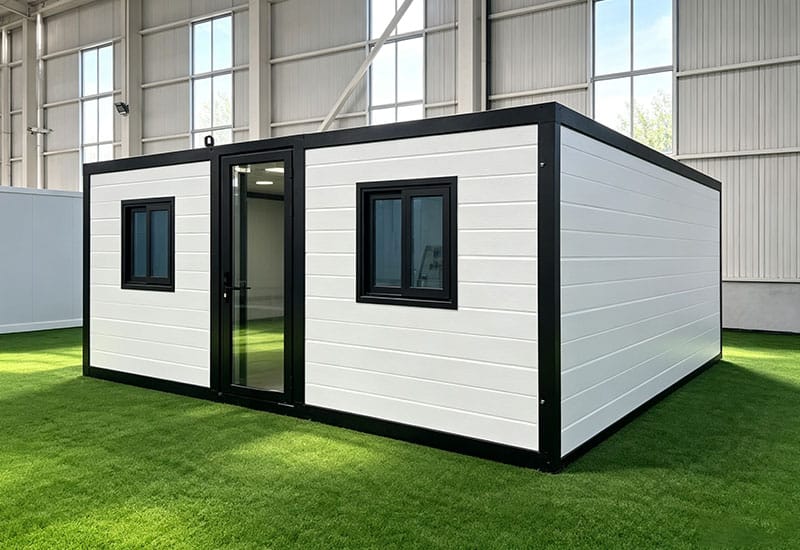
Mud control starts outside the door. Identify the route people actually take from the parking space, garden or work area, then give that route an appropriate stable surface. A beautiful path that nobody uses will not keep the floor clean. Keep rain runoff from crossing the final approach where practical, and choose entry surfaces that remain usable in the local weather.
Create a small sequence for arriving home: scrape footwear, step onto a suitable mat, remove wet shoes and place them somewhere they can dry. Each step needs enough space to avoid balancing in the doorway. Put cleaning equipment nearby without crowding the main route. Inside, a removable washable mat may be easier to maintain than a permanent absorbent floor covering. Make sure it lies flat and does not interfere with the door or become a trip point.
Give Outdoor Seating a Real Weather Test
Test the intended seat when sun, wind or damp ground is likely, rather than only when the outlook looks inviting. Check glare, privacy and how a drink or book can be placed safely. Outdoor furniture should not block the entrance or the route needed for inspection. If shelter is added, have its structure and connections designed appropriately. A small regularly used sheltered corner may offer more enjoyment than a large exposed platform which is uncomfortable at the hours you actually visit.
Reserve a Place for a Full-Size Waste Bin
Bins need usable space for opening, emptying and cleaning. A very small decorative container may lead to overflow, while a large one in a walkway becomes an obstacle. Place the kitchen bin close to preparation without crowding the cooking area. Keep bathroom and outdoor waste arrangements appropriate to the site. Try lifting the liner out in the proposed position. If doing that requires moving furniture or reaching over stored supplies, revise the location.
Decide Whether a Terrace Will Be Useful
A terrace earns its space when it supports a real routine: eating outside, taking off muddy shoes, reading in the shade or sitting with visitors. List those activities before choosing its size. Include the movement of chairs and the route between the house and the garden. A platform that looks spacious without furniture may become cramped once a table is in use.
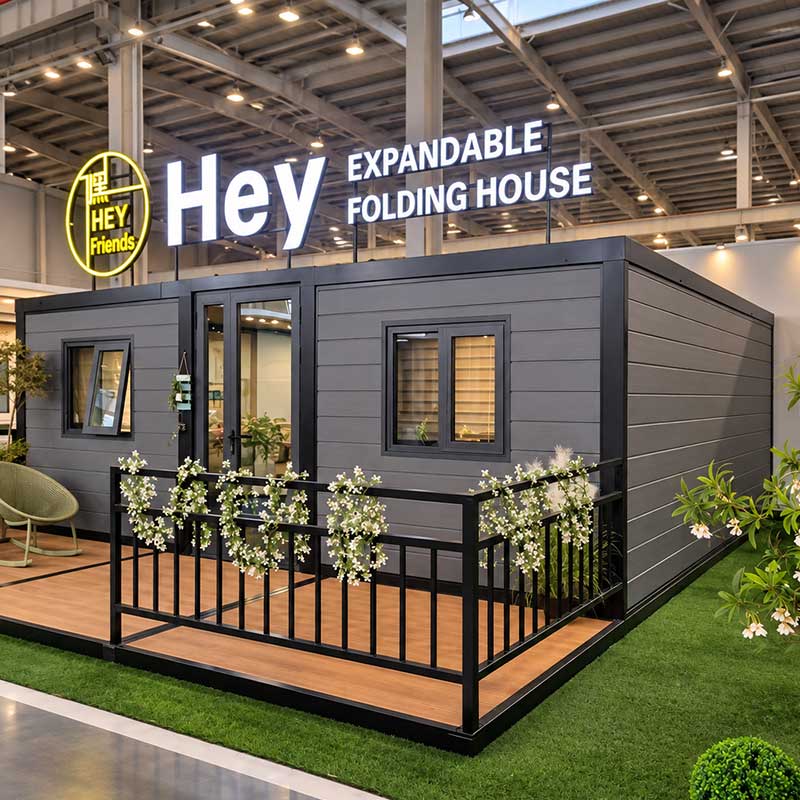
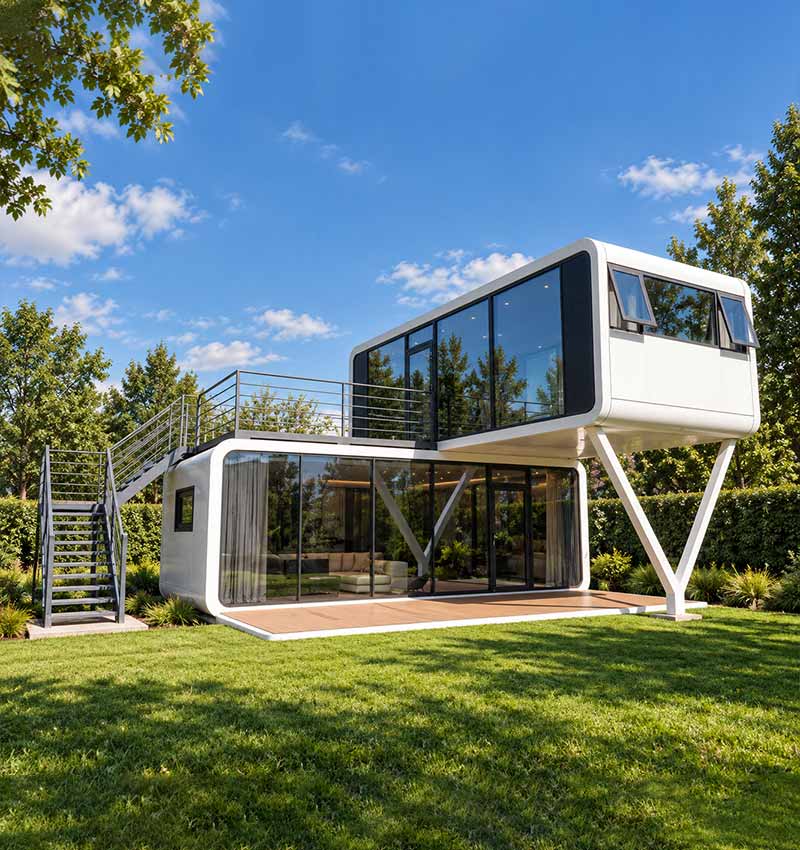
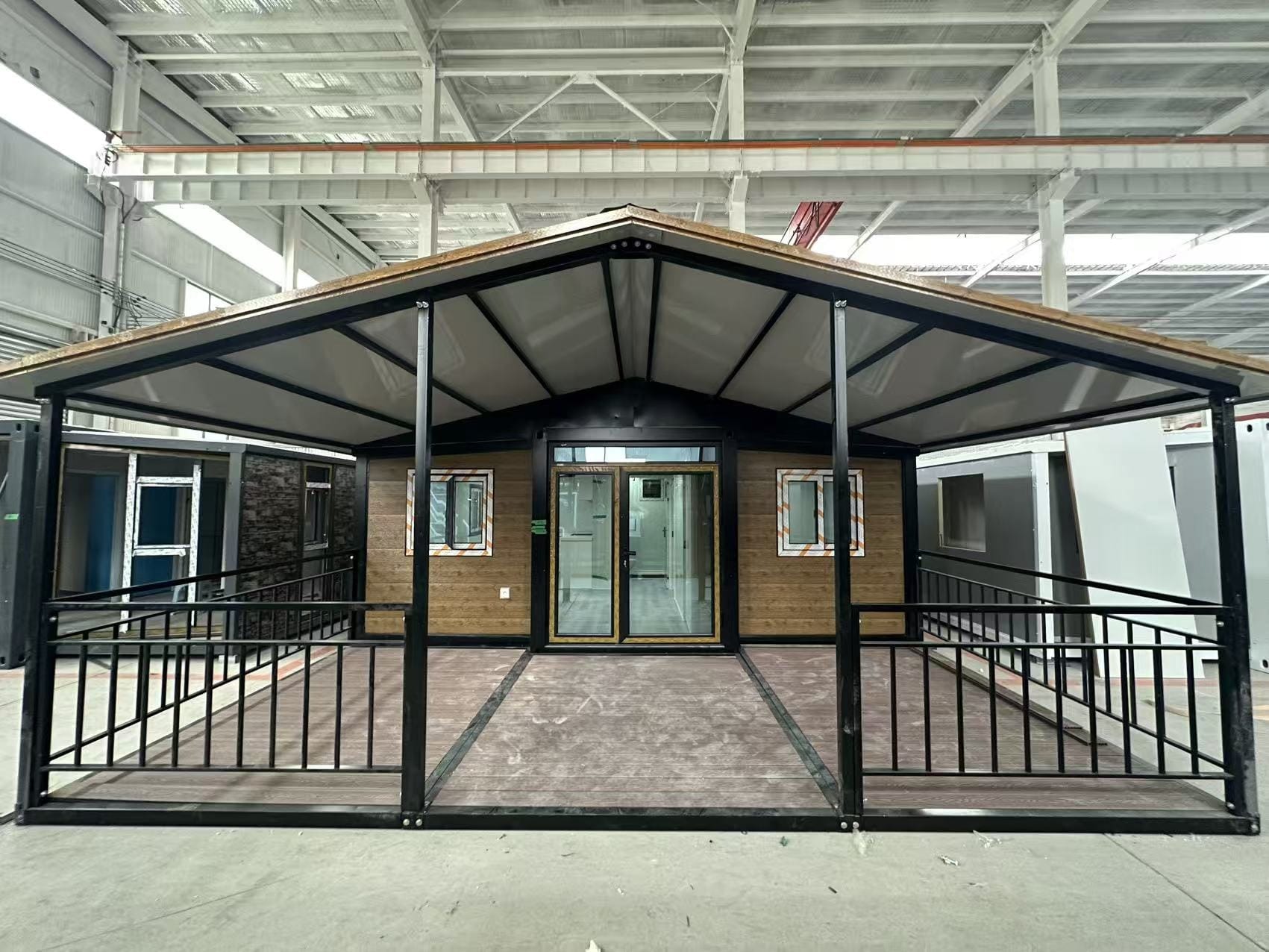
Consider sun, rain, privacy and the ground connection together. A covered area may improve usability, but the roof, supports and connection details need to suit the selected house and site. Keep drainage and access beneath or around the structure available as required. Do not assume a terrace shown on a product image is part of every supply package. Ask separately about the deck, canopy, steps, railings, installation and any local requirements so the comparison is clear.
Decide What a Successful First Month Looks Like
Describe success in ordinary terms: a clear entrance, a useful kitchen surface, dry towels, comfortable seating or a desk that stays ready. Review the room against those outcomes after a few weeks. Keep what works and adjust a specific repeated inconvenience. Avoid replacing furniture simply because the arrangement no longer resembles the original photograph. The room should improve with use as you learn which practical details matter most to its occupants.
Decide Which Outdoor Extras Matter First
Begin with ordinary arrival and use: a stable approach, a safe entrance, appropriate lighting and a place for wet shoes. Once those needs are clear, consider seating, planting, shade or a larger terrace. Decorative extras are easier to evaluate when you know which daily problem they solve and how often they will be used.
Draw the outdoor arrangement together with the deployed house footprint and access routes. Keep room for maintenance and do not cover service or drainage points. Ask separately about components supplied with the building and work arranged locally. A photograph combining a house, platform, canopy and landscaping may show several independent packages. By choosing useful essentials first, you can create a comfortable outdoor connection without filling the site or budget with features that only look good in a staged view.
Keep Furniture Away From Persistent Damp Corners
A damp corner needs attention even when it can be hidden behind storage. Leave suitable access to inspect and clean the area, record when moisture appears and seek help to identify the cause. Pressing a large cupboard against it can make drying and observation harder. Water entry, surface temperature and indoor moisture may need different responses. Do not treat a new piece of furniture as a way to disguise a building or ventilation problem.
Keep People Clear of the Handling Area
Treat lifting and unloading as a controlled work activity. Follow the directions of the competent team and keep visitors, children and pets away from the working area. Avoid stopping a delivery to take photographs from an unsafe position. Arrange a suitable place for the person coordinating questions so operators can concentrate. The occupant's role is to provide accurate information and follow the agreed plan, rather than improvise lifting or restraint methods on the day.
Keep a Simple Household Observation Log
Write down the time, weather, activity and location when a recurring inconvenience appears. A few clear entries can show whether glare follows afternoon sun, dampness follows showers or noise follows a particular appliance. Do not turn the log into a complicated monitoring project. Its purpose is to make a practical question easier to understand and to help compare the result of an agreed change with the original condition.
Start with these practical observations
- Observe the entrance during rain.
- Check the mat with the door opening.
- Keep water from being trapped against the threshold.
A simple way to review the decision
Imagine an occupant arranging a simple room after site assembly. On the sketch, show an assembled room whose doors, windows and services follow the selected package. For this decision, take the first practical check literally: Observe the entrance during rain. Then review check the mat with the door opening. Finally, keep water from being trapped against the threshold. The exercise is useful only if it includes the belongings and activities normally present, rather than a permanently empty display room.
| When to look | What to check |
|---|---|
| Before choosing the arrangement | Observe the entrance during rain. |
| When testing everyday use | Check the mat with the door opening. |
| Before making a fixed change | Keep water from being trapped against the threshold. |
For a broader explanation, see Shading guidance from YourHome. Use general housing guidance alongside the selected product drawings and advice for the actual site.
For a layout question, compare the available customization options with the routine you want the room to support. Keep the question specific to the selected drawing and the way the space will be used.
How do I stop rainy entrances from becoming a daily nuisance?
Observe the entrance during rain. Check the mat with the door opening.
What should the layout or specification confirm?
Confirm the actual room arrangement, openings and included equipment on the selected drawing. For this topic, keep water from being trapped against the threshold.
Can I judge this from an exterior photo alone?
A photo can help identify a useful question, but it does not show every dimension, option or site condition. A comfortable entrance gives you a place to pause, close an umbrella and remove wet shoes without soaking the living area.