


On this page
In a flat pack container house, a hobby area works when setting up and clearing away are easy. Identify the tools and materials used for a normal session, then give them a tray, drawer or box close to the work surface. Storing everything in several distant cupboards makes even a short session feel like a chore. A surface you can wipe clean may be more useful than a larger one covered with permanent displays.
Think about light, noise, ventilation and how the activity affects other occupants. Sewing, drawing and model making have different needs from dusty or solvent-based work. Activities producing fumes, heat or significant dust may require a suitable separate workspace and specialist advice. Do not assume an ordinary living room is appropriate simply because a table fits. For quiet hobbies, a fold-away surface and a focused lamp can create a comfortable corner while leaving the main route through the room available.
Choose one ordinary hobby session and lay out only the materials it needs. A drawing pad and pencils may fit in a shallow drawer, while sewing or larger craft work may require a different surface and storage arrangement. Decide how the room will be cleared afterward before allocating every edge to permanent equipment. A compact project tray can make a short session much easier to begin.
Be clear about the type of activity. Ordinary reading, writing or drawing should not be grouped with work producing heat, dust or chemical fumes just because all of it is called a hobby. Where the activity needs a more suitable environment, arrange that appropriately. For quiet clean work, focus on comfortable light, a reachable supply box and a surface which stays available. The space succeeds when using it is enjoyable, not when every possible tool can be displayed at once.
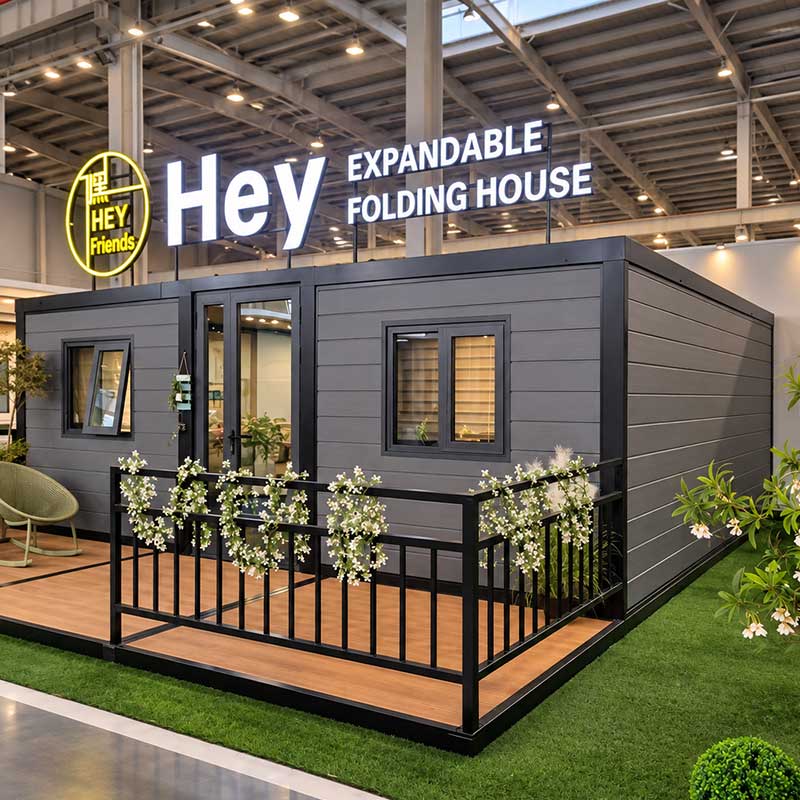
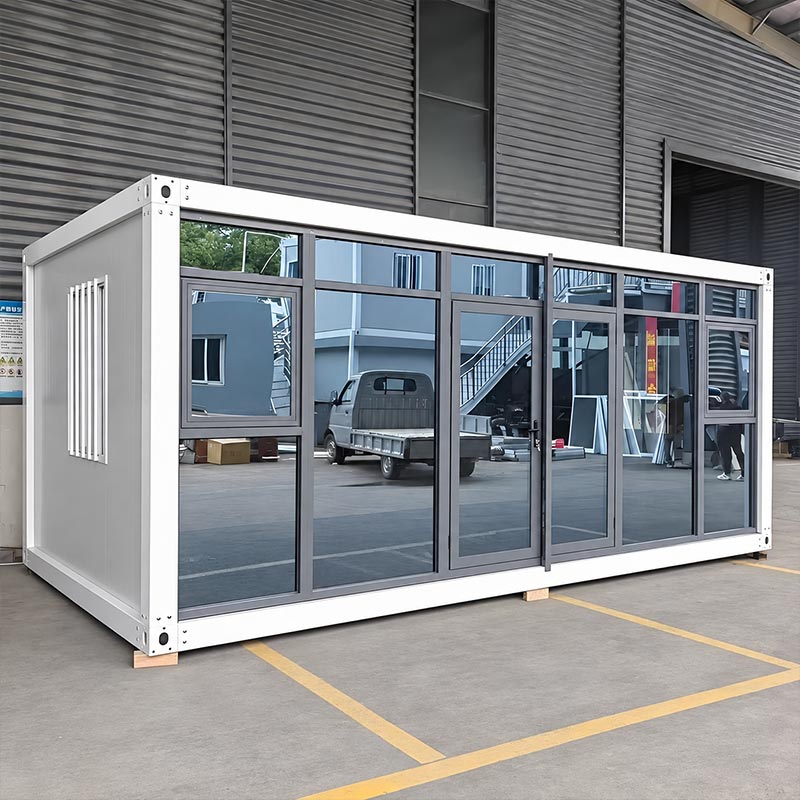
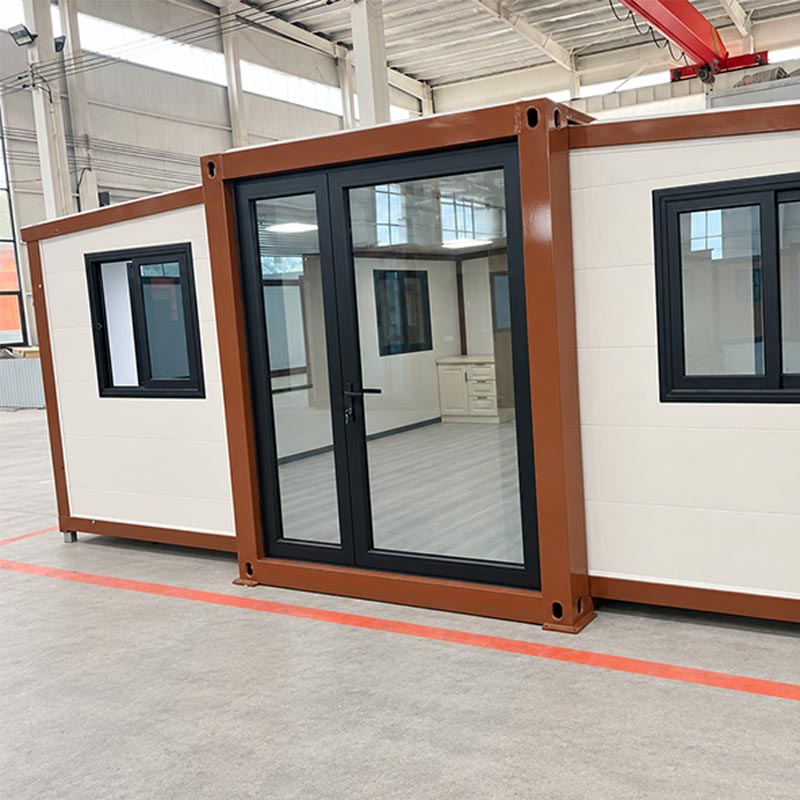
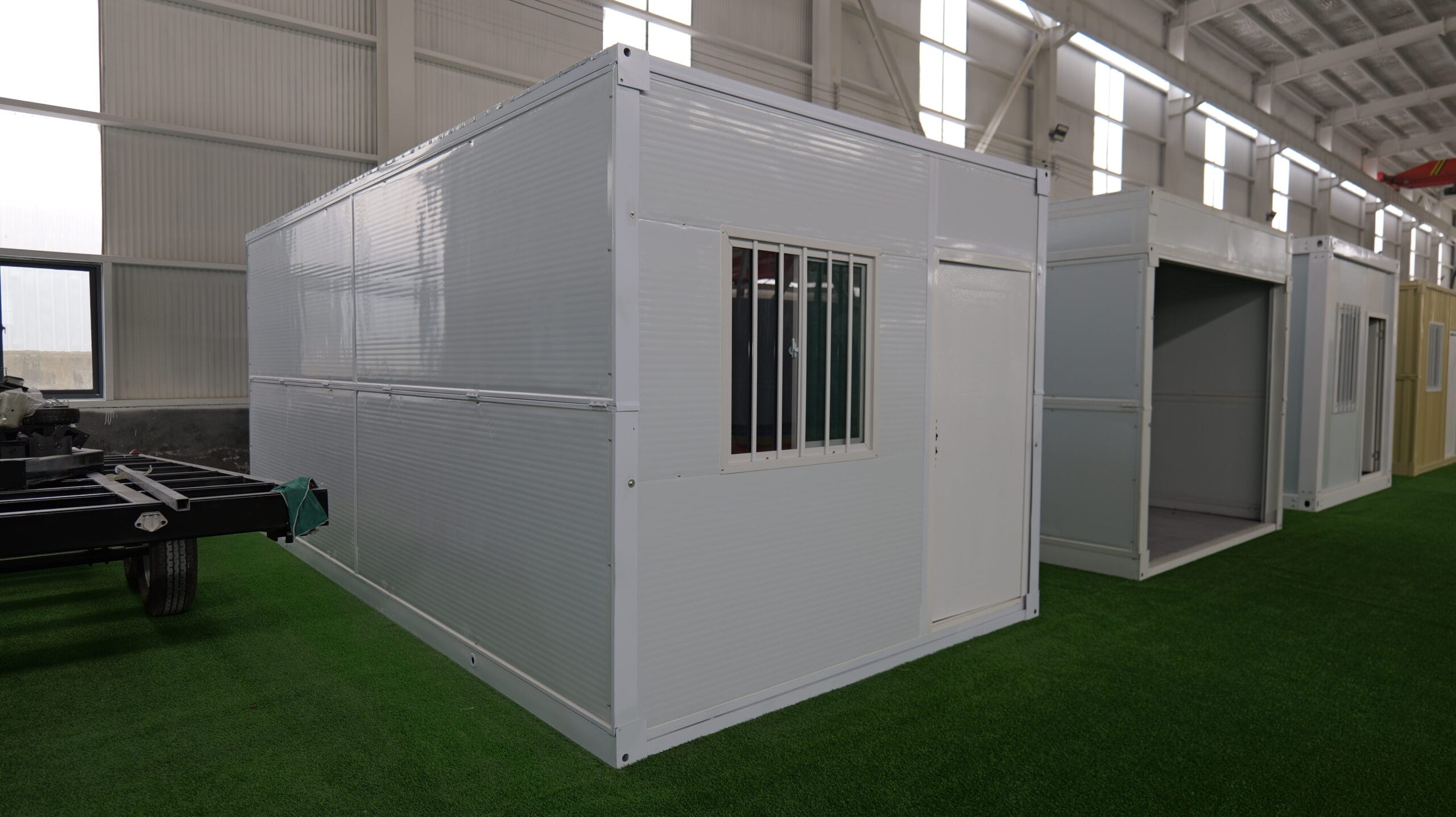
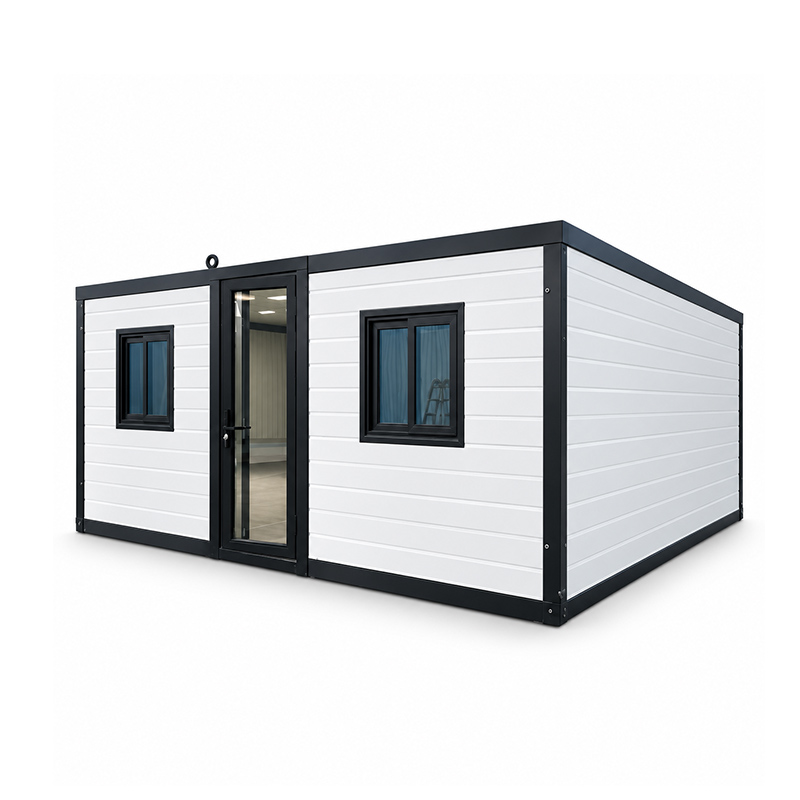
Natuo describes several quick-assembly packages with different levels of factory preparation. Confirm the selected package and the actual site assembly work instead of assuming every flat-pack unit arrives at the same level of completion. The Quick Assembly Container House page is a useful place to compare the actual configuration.
Three checks to make first
- Keep a session's supplies together.
- Choose a cleanable surface.
- Match the space to the activity's noise and ventilation needs.
Make Room for Eating Without Filling the Living Area
Choose dining furniture for the number of people who usually eat together. Occasional visitors may be better served by a movable side table or an extendable surface than by a large table left in place all week. Measure the area with chairs occupied and pulled back, not just with chairs tucked neatly underneath.
A wall-facing breakfast counter suits one routine, while a small table may better support conversation, homework and food preparation. Neither arrangement is automatically more space-efficient once circulation is included. Try a cardboard outline or tape on the floor before purchasing. Put everyday cutlery and tableware close enough that setting the table does not send someone repeatedly through the cooking area. If the same surface doubles as a desk, provide a nearby box or drawer that lets work equipment be cleared in one trip.
Keep a Simple Household Observation Log
Write down the time, weather, activity and location when a recurring inconvenience appears. A few clear entries can show whether glare follows afternoon sun, dampness follows showers or noise follows a particular appliance. Do not turn the log into a complicated monitoring project. Its purpose is to make a practical question easier to understand and to help compare the result of an agreed change with the original condition.
Use One Clear Surface for Several Short Tasks
A clear surface can support breakfast, paperwork or a hobby at different times, provided changing tasks is easy. Store the supplies for each task together nearby and decide where they go when the surface changes use. Do not count the same table as three separate working areas if the activities happen at once. The useful question is whether the household's timing makes sharing practical. Try the transition on a normal busy day before buying specialized furniture for every activity.
Make a Small Room Feel Quieter
First identify the sound you want to reduce. Voices inside, footsteps, rain on the roof and traffic outside reach the room by different paths. A rug or curtain can soften some reflected sound indoors, while exterior noise may require attention to the complete wall, window, door and joint arrangement. An insulation claim alone does not describe acoustic performance.
Move noisy activities away from the sleeping or working position where practical. Add soft furnishings selectively without blocking ventilation or creating difficult cleaning corners. Check loose fittings and rattling objects, because a small mechanical noise can feel prominent in a quiet compact room. If noise is a deciding factor, ask for relevant tested information for the specified assembly or arrange a suitable assessment. Do not infer a sound rating from wall thickness or from how substantial a product looks in a photograph.
Choose Movable Furniture Before Fixed Alterations
Try a reversible arrangement before making permanent changes. A smaller table, different bed position or movable screen may address the daily problem without altering walls or services. Live with the trial long enough to include ordinary busy moments. If a fixed change is still needed, obtain suitable information about the building and its services before proceeding. This approach keeps decisions tied to real use and avoids spending effort on a permanent solution to a routine that could be changed more simply.
Reduce Screen Glare Without Darkening the Whole Room
Screen glare is often a positioning problem before it is a curtain problem. Try turning the screen so bright windows are beside it rather than directly in front of it or reflected behind you. Check the result while seated at your normal height. A view that looks comfortable while standing can produce a strong reflection once you sit down.
Use adjustable shading so you can respond to changing sun rather than keeping the room dark all day. A light-filtering blind can soften brightness while a more opaque covering may be useful at particular hours. Keep enough light on the work surface to avoid working in a dim corner beside a bright screen. Before buying window film, check compatibility with the glazing and the supplier's instructions. A temporary fabric trial can help you decide how much shading is needed before committing to a permanent change.
Separate Cooling Air From Fresh Air
A fan or cooling unit can make a room feel more comfortable without necessarily providing the outdoor air needed for ventilation. Ask how the installed equipment actually works. Keep the fresh-air and moisture-removal arrangements understandable to occupants. This prevents a common mistake in which the room is kept at a pleasant temperature but remains stuffy. Use equipment according to its instructions and review the complete arrangement if the air continues to feel stale.
Review Maintenance Access After Furnishing
Walk the room once the furniture plan is complete and check access to windows, vents, controls and service panels. A drawing may show these clearly before a large cabinet or bed is added. Keep frequently needed points reachable without moving heavy objects. Where access is occasional, make sure the furniture can be moved in a practical way. This final pass can prevent an attractive layout from making an ordinary check or small repair unnecessarily difficult.
Try the plan with a real routine
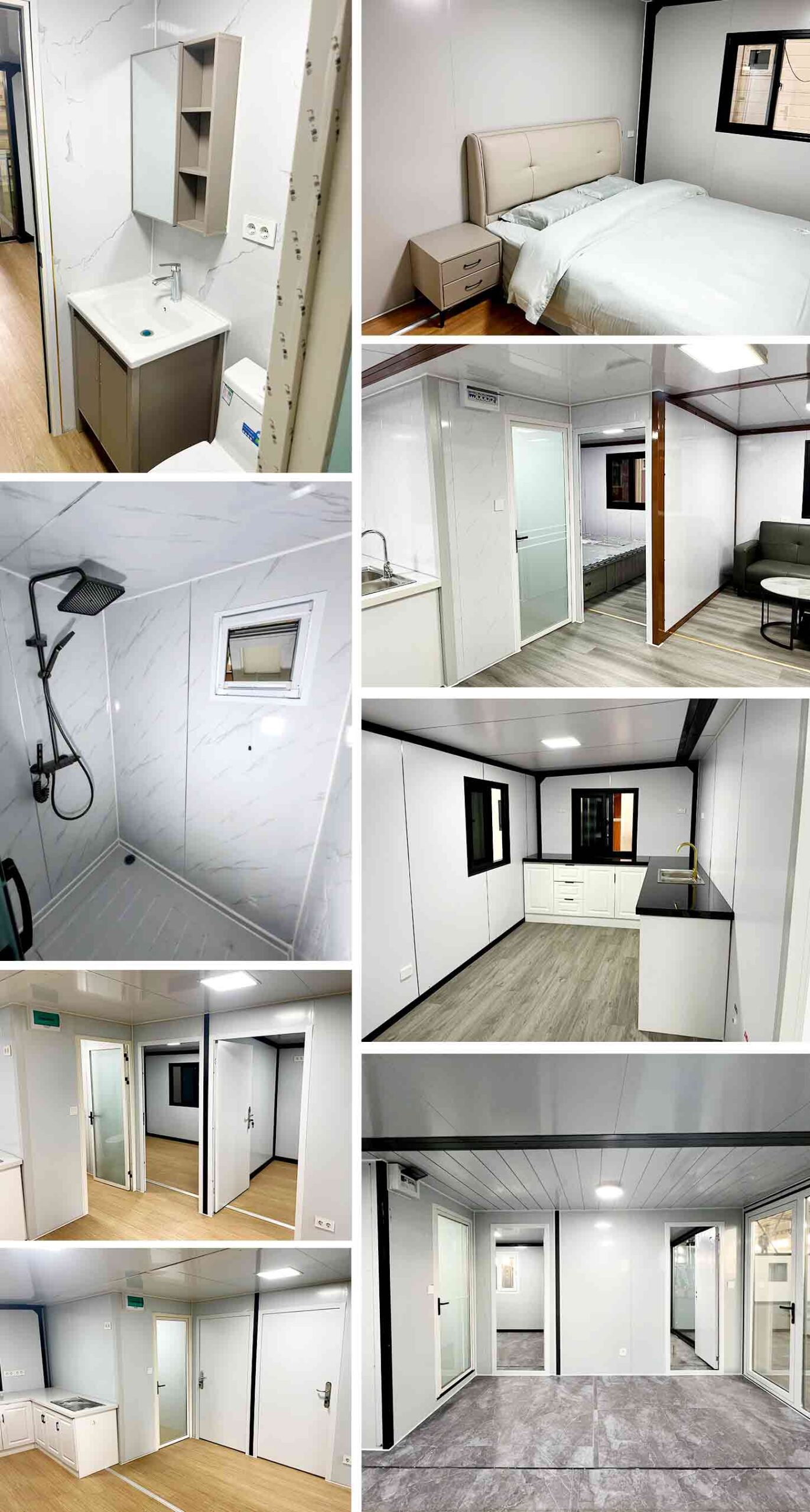
Imagine an occupant arranging a simple room after site assembly. On the sketch, show an assembled room whose doors, windows and services follow the selected package. For this decision, take the first practical check literally: Keep a session's supplies together. Then review choose a cleanable surface. Finally, match the space to the activity's noise and ventilation needs. The exercise is useful only if it includes the belongings and activities normally present, rather than a permanently empty display room.
| When to look | What to check |
|---|---|
| Before choosing the arrangement | Keep a session's supplies together. |
| When testing everyday use | Choose a cleanable surface. |
| Before making a fixed change | Match the space to the activity's noise and ventilation needs. |
For a broader explanation, see An overview of prefabricated homes. Use general housing guidance alongside the selected product drawings and advice for the actual site.
For a layout question, compare the available customization options with the routine you want the room to support. Keep the question specific to the selected drawing and the way the space will be used.
How do I keep a hobby corner practical and tidy?
Keep a session's supplies together. Choose a cleanable surface.
What should the layout or specification confirm?
Confirm the actual room arrangement, openings and included equipment on the selected drawing. For this topic, match the space to the activity's noise and ventilation needs.
Can I judge this from an exterior photo alone?
A photo can help identify a useful question, but it does not show every dimension, option or site condition. A hobby area works when setting up and clearing away are easy.