


On this page
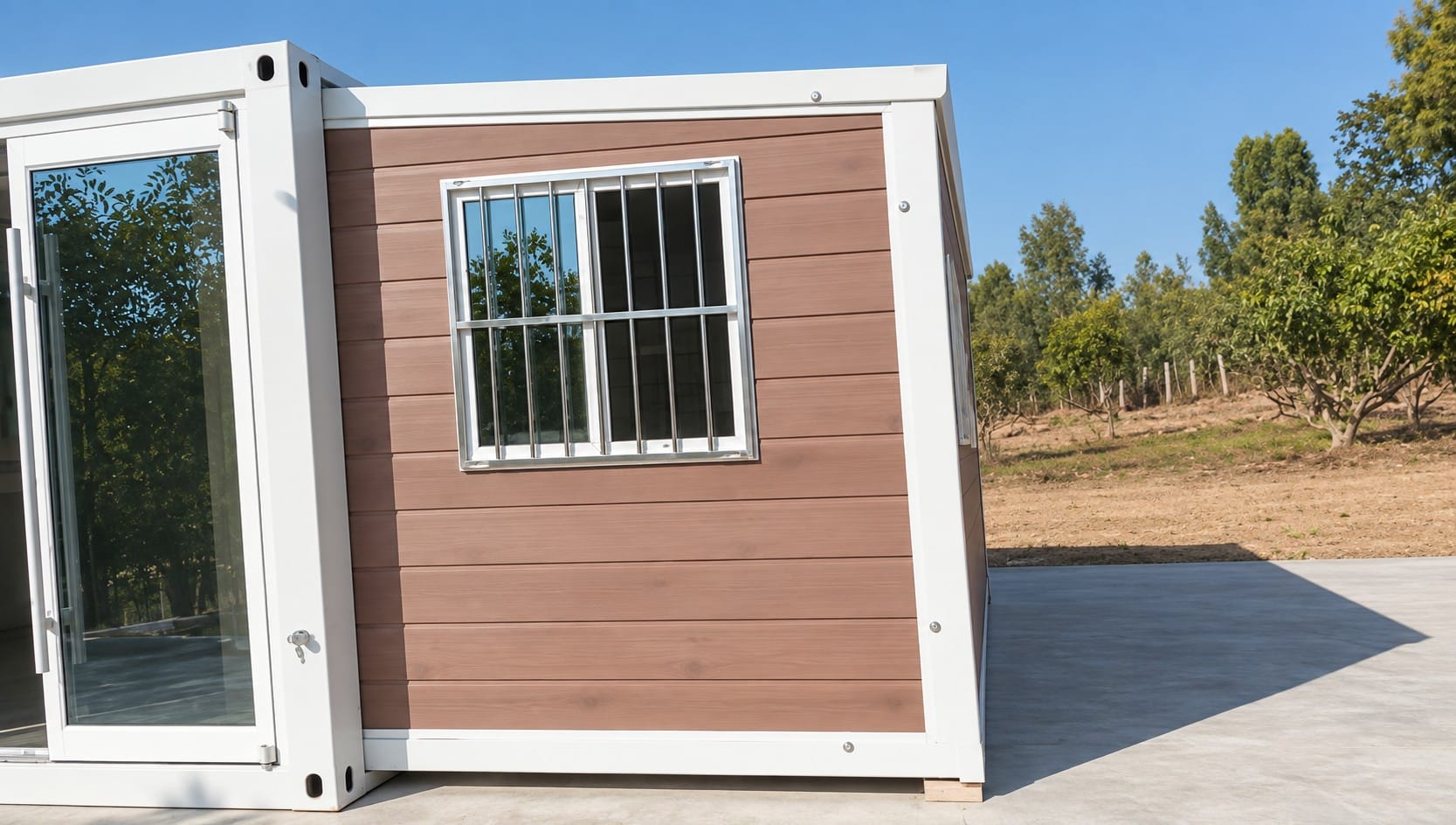
In a folding container house, water on the inside of a window often comes from humid indoor air meeting a colder surface. Check whether the moisture is indoors, outdoors or between the panes before deciding what it means. Note when it appears and which activities came first. Showering, cooking and drying laundry can all add moisture, but a leak can also leave wet marks that need a different response.
Dry the affected area and improve the everyday moisture routine while investigating the cause. Keep bathroom and kitchen ventilation working, and avoid pressing furniture or stored fabrics tightly against cold corners. A simple humidity reading can make observations more useful, but it does not replace checking the building details. Persistent wet patches, damaged seals or repeated water entry deserve inspection. Adding insulation or sealing gaps without understanding moisture movement can create new problems, so discuss material changes with someone familiar with the wall and roof system.
Use a clean dry observation point and note exactly where droplets form. Water on the room-side glass, water outside the window and moisture trapped between panes are different observations. Record the time, recent shower or cooking use and the weather. This gives you something more useful than the general statement that the house is damp.
For an ordinary moisture routine, keep wet textiles drying appropriately and use the planned kitchen and bathroom ventilation. Leave affected surfaces accessible for inspection. If a mark returns after rain rather than after indoor moisture-producing activity, explain that distinction when asking for support. Do not assume one cause or add a new material layer to hide the symptom. The practical task is to understand the pattern, then choose an appropriate response for the actual window and building details.
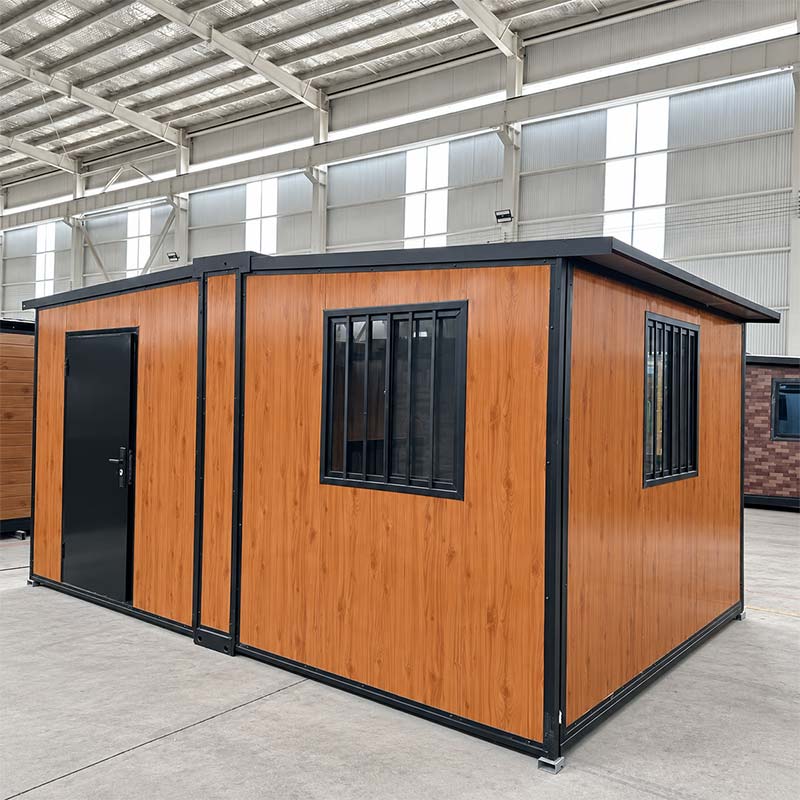
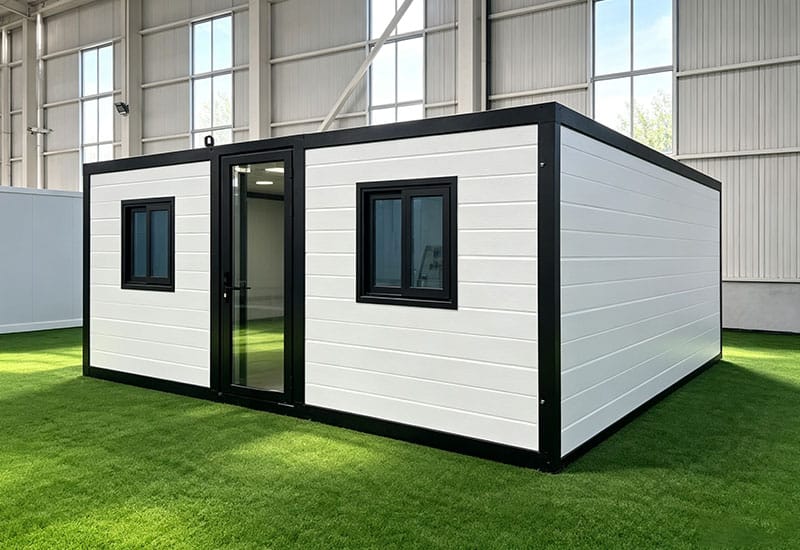
The folding format is delivered in a compressed transport state and set up for use at the site. Its transport depth should not be mistaken for the dimensions of the finished room. The Folding Container House page is a useful place to compare the actual configuration.
Decide When a Small Problem Needs Support
Describe the problem before trying to fix it. Note what changed, when it began and whether weather, movement or equipment use affects it. A door which suddenly catches, a recurring damp mark or a new service noise deserves more attention than a cosmetic mark which has stayed unchanged. Photographs and a short clear description help support staff ask better questions.
Use the correct maintenance instructions and suitable competent help for the work involved. Avoid opening electrical components, altering structural connections or covering water damage as an experiment. If a situation seems immediately unsafe, stop using the affected area or equipment and seek appropriate local assistance. Keep a record of the advice and repair outcome. The aim is to resolve the cause at an appropriate level, not to turn every occupant into a building technician.
Record Changes After Maintenance
After an agreed repair or adjustment, note what was done and whether the original symptom changes. Use the same observation position or routine where possible. If the issue returns, the record helps support understand its history without repeating the first conversation. Keep altered drawings or equipment details with the original documents. Maintenance becomes more useful when the outcome is recorded, rather than when a message simply says that somebody visited the site.
Do a Calm First-Use Walkthrough
Take time to find the controls, storage and normal operating positions before a busy first evening. Try the doors and windows, identify where instructions are kept and confirm whom to contact with questions. Keep any unresolved issue on one clear list. Avoid inviting visitors before important setup and service checks are complete. A short unhurried walkthrough can make the room easier to use and prevent ordinary uncertainty from being mistaken for a product fault.
Check Door and Window Seals Without Guesswork
Seals need to meet correctly when a door or window closes. Watch for visible damage, dirt in the contact area, a latch which needs unusual force or a new draught after relocation. Clean accessible contact surfaces gently using suitable materials. A loose object or accumulated dirt can sometimes affect closure without a seal itself being worn out.
Do not compensate for poor alignment by adding random layers of tape or foam. That can make the fitting harder to close and hide the cause. Record which opening is affected, when the issue occurs and whether it changes with weather. Ask for the correct replacement part and installation method where maintenance is needed. Keep intended drainage features clear, since a window can need both an effective seal and a way for water to leave its designed channel.
Make Controls Understandable to a First-Time Guest
Keep a brief set of relevant operating information close to the controls or in one obvious folder. Explain normal lighting, temperature and ventilation use without overwhelming visitors with technical documents. Retain full equipment instructions for maintenance. If a control requires a complicated explanation, review whether its placement or labeling can be improved appropriately. A room is more welcoming when guests can find a light and understand the intended air routine without sending a message for every small action.
Get Better Airflow Through a Small Home
Air needs a route through the room. Two openings can be useful when air can travel between them, but a closed internal door, tall storage unit or tightly arranged furniture may interrupt that route. Look at the room as a path from an inlet to an outlet, and check which openings are actually operable rather than fixed glass.
The best window routine changes with outdoor conditions. Opening up may feel helpful when the outside air is cooler and suitable, but can bring in heat, humidity, smoke or dust at other times. Mechanical ventilation may be needed when natural airflow cannot meet the room's needs. An ordinary recirculating fan moves air around you but does not necessarily replace indoor air. Keep the ventilation plan separate from accidental gaps around doors: an uncomfortable draught is not a dependable fresh-air strategy.
Do Not Turn a Vent Into a Storage Shelf
Keep intended air openings clear of bags, furniture and stored supplies. A grille near the floor or in a cabinet can be easy to overlook when furnishing a small room. Mark these locations on the furniture plan and keep access for cleaning. If the room feels draughty, ask whether the opening is part of the designed ventilation before covering it. Randomly blocking it can exchange one discomfort for another and make the intended air path ineffective.
Keep Claims About Comfort Tied to the Full Specification
Ask which wall, roof, floor, window and ventilation details support a comfort claim. A single material name or a general description cannot establish the behavior of every configuration and site. Where performance is a deciding factor, request relevant information for the specified assembly. Keep examples and illustrations separate from tested results. This lets you discuss the practical outcome you want without inventing a rating, a service life or a promised energy saving.
A short check before deciding
- Locate the water precisely.
- Record timing and indoor activities.
- Investigate persistent wet patches rather than treating every mark as condensation.
Use an ordinary day as the test
Imagine someone using a compact room for a longer temporary stay. On the sketch, show a straightforward single-room arrangement with compact circulation. For this decision, take the first practical check literally: Locate the water precisely. Then review record timing and indoor activities. Finally, investigate persistent wet patches rather than treating every mark as condensation. The exercise is useful only if it includes the belongings and activities normally present, rather than a permanently empty display room.
| When to look | What to check |
|---|---|
| Before choosing the arrangement | Locate the water precisely. |
| When testing everyday use | Record timing and indoor activities. |
| Before making a fixed change | Investigate persistent wet patches rather than treating every mark as condensation. |
For a broader explanation, see Condensation guidance from YourHome. Use general housing guidance alongside the selected product drawings and advice for the actual site.
For a layout question, compare the available customization options with the routine you want the room to support. Keep the question specific to the selected drawing and the way the space will be used.
How do I understand window condensation before making changes?
Locate the water precisely. Record timing and indoor activities.
What should the layout or specification confirm?
Confirm the actual room arrangement, openings and included equipment on the selected drawing. For this topic, investigate persistent wet patches rather than treating every mark as condensation.
Can I judge this from an exterior photo alone?
A photo can help identify a useful question, but it does not show every dimension, option or site condition. Water on the inside of a window often comes from humid indoor air meeting a colder surface.