
On this page
In a 20ft expandable container house, separate the building's transport preparation from packing personal belongings. Ask which fittings, furnishings and equipment must be removed or secured under the unit's actual instructions. Label loose components so they can be matched to the right room or connection later. Protect fragile items in appropriate packaging rather than expecting the house itself to serve as a shipping box.
Photograph the interior and accessible exterior before handover to the transport team. Keep essential documents, keys and contact details with the person managing the move. Service disconnection, lifting and restraint need suitable competent handling, so do not improvise around gas, water or electrical connections. Plan what you will need during the period when the building is unavailable. A clearly organized set of belongings reduces confusion at the destination and makes it easier to notice a missing item before packaging is discarded.
Make one list for the building's required preparation and another for personal belongings. Ask which furnishings and loose fittings must be removed or secured under the actual instructions. Label components and photograph their original positions where useful. Keep keys, documents and essential contacts with the person coordinating the move.
Think about the first day at the destination while packing. Useful labels can prevent a small fitting or instruction sheet from becoming lost in several similar boxes. Retain appropriate protection until checks are complete and keep the arrival evidence organized. Services and handling should be managed by suitable people. Packing well helps occupants resume ordinary use, but it should never be mistaken for permission to improvise the building's lifting, transport or connection method.
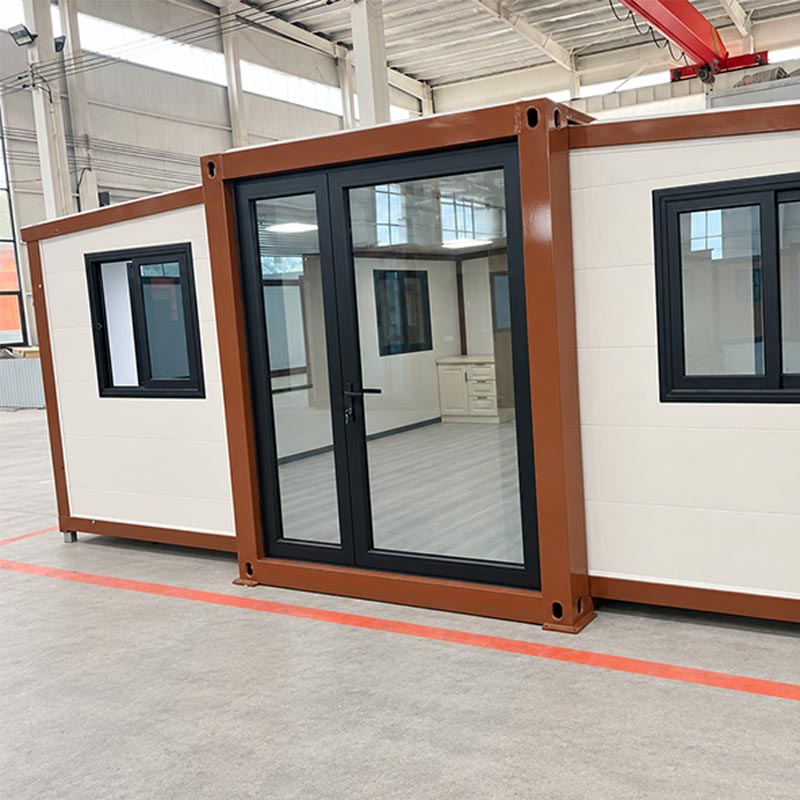
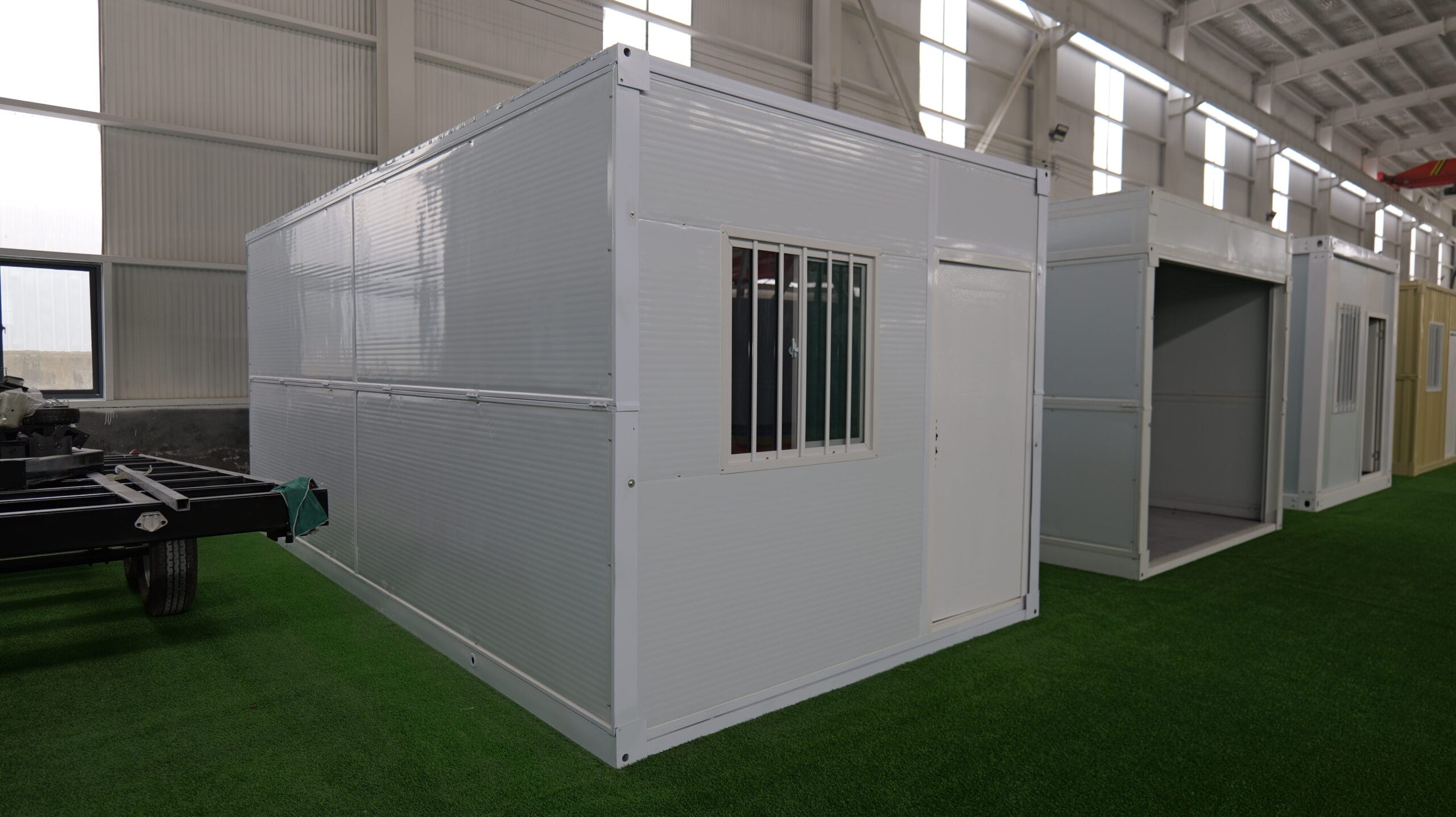
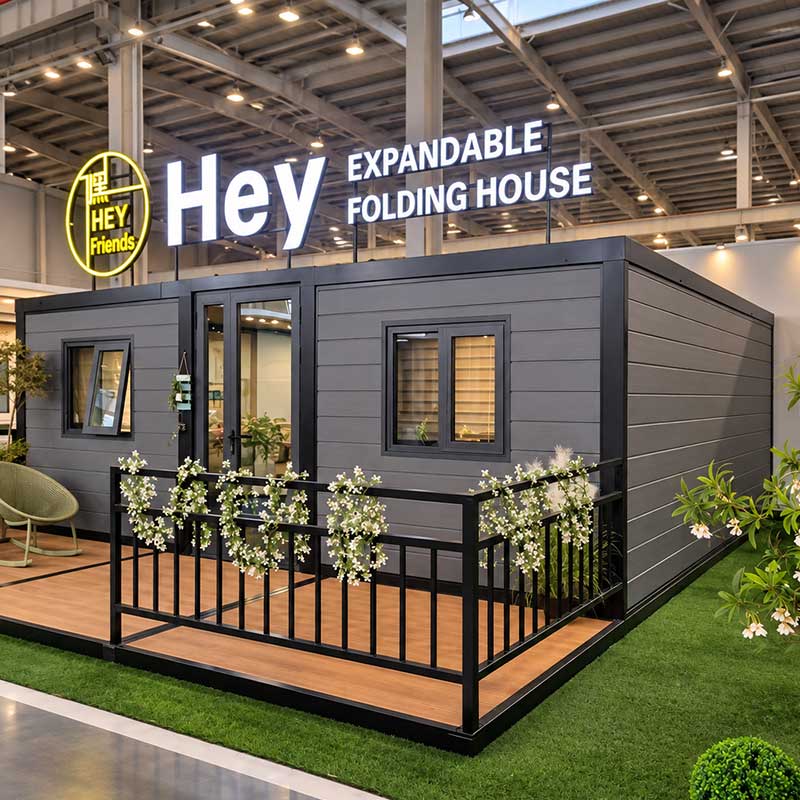
The double-wing format is transported in a closed state and deployed at the site. Use the selected deployed drawing when arranging furniture and outdoor access. The 20ft Double Wing Expandable Container House page is a useful place to compare the actual configuration.
Three checks to make first
- Follow the actual transport instructions.
- Label loose components.
- Keep keys and essential documents outside the shipment.
Decide Whether Relocation Is Worth the Disruption
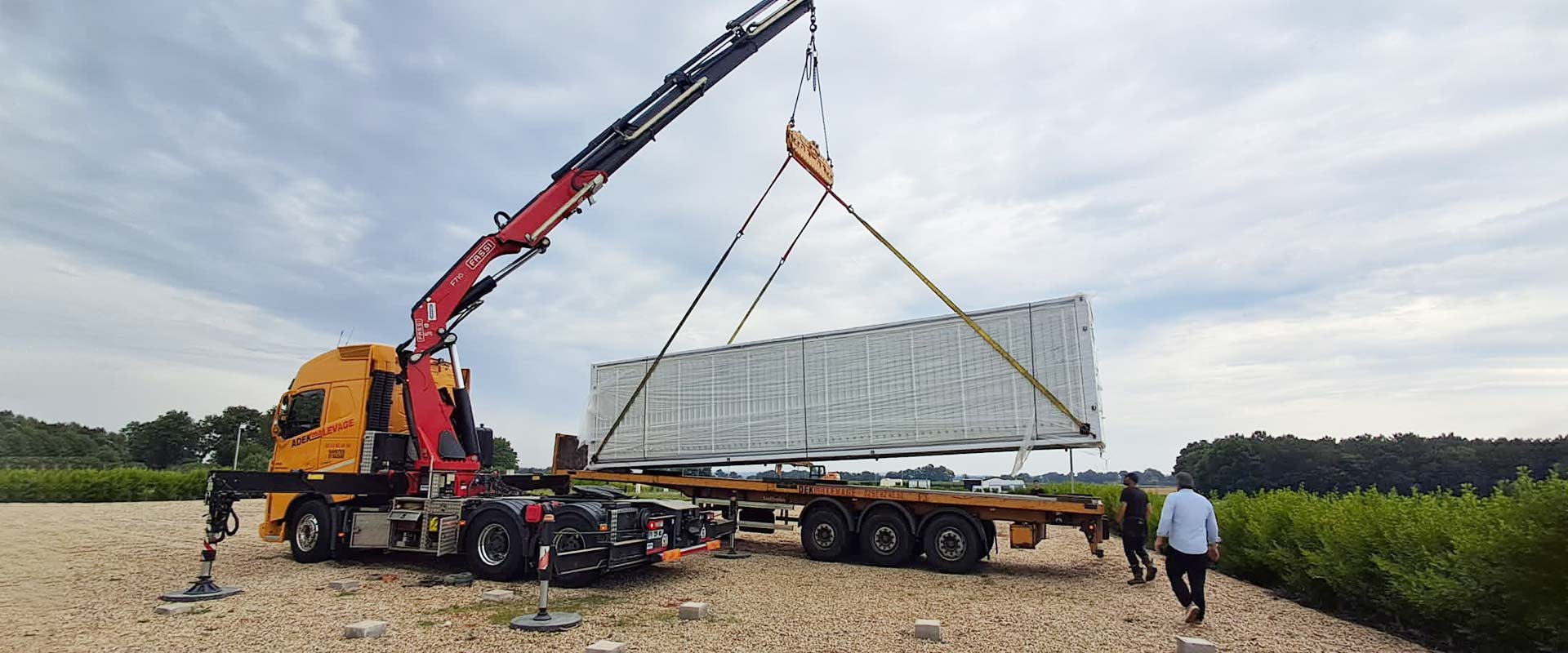
Relocation can preserve the use of a building, but it involves more than arranging a truck. Compare the reason for moving with the work needed at both sites. Services must be dealt with appropriately, loose belongings secured or removed, and the transport method matched to the actual unit. A previous move is not proof that the next route will be equally straightforward.
Ask for the model-specific preparation and lifting instructions. Consider destination access, support arrangements, setup work and the time before the room can be used again. Record the condition before the move and inspect it afterward. Do not treat a house as occupied travel accommodation during transport. If only the room layout is inconvenient, a smaller internal adjustment may solve the problem without moving the entire building. Make the decision from the complete sequence, not from the appeal of the word portable.
Keep the Real Occupants in the Discussion
Ask the people who will use the space to describe their routines and try the proposed arrangement. Different heights, mobility, schedules and habits can change what feels convenient. A layout chosen entirely from photographs may suit the person selecting it less well than expected. Keep comments concrete: reach, movement, light, storage and privacy. Those observations are easier to act on than a general preference for a larger or more luxurious room.
Distinguish Vehicle Arrival From Ready-to-Use Handover
Use separate milestones for arrival, placement, setup, service work and handover. The time between them depends on the actual unit and the site arrangements. Avoid promising an occupancy date from the truck arrival alone. Ask who confirms each stage is complete and what information they need. This makes the schedule easier for an ordinary household to understand and reduces confusion when one provider's delivery scope ends before another provider's work begins.
Find Storage That Does Not Take Over the Home
Useful storage begins with an inventory of the objects you reach for daily. Give shoes, keys, coats, food and cleaning equipment a place near the activity they support. A large cupboard at the far end of the room may offer impressive capacity while making ordinary routines inconvenient. Store frequent items between comfortable reach levels, and reserve less accessible space for light objects used occasionally.
Depth matters as much as total volume. Deep shelves can hide small items behind one another and turn a cupboard into wasted space. Shallow shelves, removable baskets and labeled boxes often make a modest unit more useful. Leave some spare capacity for the belongings that arrive after move-in. Do not pack possessions against ventilation grilles, service access panels or damp exterior corners. Before fixing shelves to a wall, confirm suitable fixing locations and allowable loads for that wall system.
Keep Optional Work on the Timeline
Decks, canopies, local appliances and service work can affect when the room is ready even if they are purchased separately. Put them on the same timeline as the house and identify the responsible provider. Check whether one activity needs another completed first. Do not let an attractive optional package hide an unfinished basic requirement. A single timeline makes it easier to see which work can happen in parallel and which task is holding up normal use.
Dry Laundry Without Making the Home Damp
Drying clothes indoors adds moisture to the room. Before choosing a rack, decide where that moisture can go. A rack placed in the only walkway creates a movement problem as well as a drying problem. Give wet clothing a ventilated location and enough space between items for air to move around them, while keeping it clear of heaters and cooking equipment.
Outdoor drying can be useful when the weather and surroundings allow it. If you need indoor drying regularly, discuss suitable extraction or drying equipment rather than relying on an open window in every season. Check whether a dryer needs an external vent or a drainage arrangement, and follow its installation requirements. Put the rack away fully when it is not needed so laundry does not permanently occupy the living area. Avoid closing a loaded rack into an unventilated cupboard simply to hide the clothes.
Make Small Water Marks Easy to Track
Photograph a water mark with enough surrounding detail to locate it, then note the weather and recent water use. Record whether it dries fully and whether it returns. Do not repeatedly paint over it or cover it with storage. Clear observations help distinguish possible sources and show whether an agreed repair made a difference. A single photograph without timing may show the symptom, while a short sequence can make the investigation much more focused.
Keep an Accessible Copy of the Current Drawing
Date the drawing used for discussions and keep older versions clearly separated. Mark agreed changes on the current revision rather than relying on memory of a call or message. The same drawing should support conversations about furniture, doors, outlets and included options. If a measurement is unclear, ask for it to be shown. A simple version habit prevents the frustrating situation in which two people agree on a change while looking at different layouts.
Try the plan with a real routine
Imagine a couple using the room for everyday living. On the sketch, show the living area around a central entrance and the two deployed side spaces. For this decision, take the first practical check literally: Follow the actual transport instructions. Then review label loose components. Finally, keep keys and essential documents outside the shipment. The exercise is useful only if it includes the belongings and activities normally present, rather than a permanently empty display room.
| When to look | What to check |
|---|---|
| Before choosing the arrangement | Follow the actual transport instructions. |
| When testing everyday use | Label loose components. |
| Before making a fixed change | Keep keys and essential documents outside the shipment. |
For a broader explanation, see An overview of modular buildings. Use general housing guidance alongside the selected product drawings and advice for the actual site.
For a layout question, compare the available customization options with the routine you want the room to support. Keep the question specific to the selected drawing and the way the space will be used.
How do I prepare belongings before a modular home moves?
Follow the actual transport instructions. Label loose components.
What should the layout or specification confirm?
Confirm the actual room arrangement, openings and included equipment on the selected drawing. For this topic, keep keys and essential documents outside the shipment.
Can I judge this from an exterior photo alone?
A photo can help identify a useful question, but it does not show every dimension, option or site condition. Separate the building's transport preparation from packing personal belongings.