
On this page
In a 40ft expandable container house, give pets a predictable resting place away from the busiest walkway. A bed which looks out of the way during the day may sit directly in the route to the bathroom at night. Keep feeding and water areas easy to clean and clear of electrical leads. Leave enough room to use doors normally without squeezing an animal into a corner.
Think through heat, ventilation, supervision and outside access. A glazed room can change temperature quickly, so do not rely on a pleasant morning temperature to judge conditions later. Use secure, appropriate screens or barriers where needed, with suitable supervision. Store cleaning products and food safely, and choose furnishings that can be cleaned without complicated dismantling. If the house will move, plan a separate safe arrangement for pets during transport and setup. A relocatable building is not a passenger compartment.
Place the pet's bed, food and water on the floor plan, then walk the household routes around them. Check the route used during the night and the space needed to close doors. A quiet corner may suit a resting animal better than the most central patch of floor, even if that central area looks spacious in an empty room.
Review sun exposure and ventilation during the whole occupied period. A glazed room's conditions can change after a comfortable morning. Plan supervision and appropriate secure barriers where needed. Keep cleaning products and leads managed safely. If the building will be moved, arrange separately for the animal during packing and transport. The home's ability to relocate does not make it a place for a pet or person to travel inside during the move.
A 40ft product name is a size label, not a complete floor plan. Check the selected room arrangement, actual clear dimensions and service locations before allocating separate activities. The 40ft Double Wing Expandable Container House page is a useful place to compare the actual configuration.
Three checks to make first
- Choose a bed outside the main route.
- Keep water clear of cables.
- Check afternoon conditions in sunny rooms.
Decide Whether Relocation Is Worth the Disruption
Relocation can preserve the use of a building, but it involves more than arranging a truck. Compare the reason for moving with the work needed at both sites. Services must be dealt with appropriately, loose belongings secured or removed, and the transport method matched to the actual unit. A previous move is not proof that the next route will be equally straightforward.
Ask for the model-specific preparation and lifting instructions. Consider destination access, support arrangements, setup work and the time before the room can be used again. Record the condition before the move and inspect it afterward. Do not treat a house as occupied travel accommodation during transport. If only the room layout is inconvenient, a smaller internal adjustment may solve the problem without moving the entire building. Make the decision from the complete sequence, not from the appeal of the word portable.
Separate Cooling Air From Fresh Air
A fan or cooling unit can make a room feel more comfortable without necessarily providing the outdoor air needed for ventilation. Ask how the installed equipment actually works. Keep the fresh-air and moisture-removal arrangements understandable to occupants. This prevents a common mistake in which the room is kept at a pleasant temperature but remains stuffy. Use equipment according to its instructions and review the complete arrangement if the air continues to feel stale.
Use a Short Priority List for Design Decisions
Choose a few essential outcomes, such as a usable meal surface, a private sleeping position or a practical entrance. Evaluate each option against those outcomes before considering extra features. A long unranked wish list makes tradeoffs harder to understand. Keep the priorities visible on the current plan so a later color or equipment decision does not accidentally undermine them. A clear brief helps both the household and the people developing the configuration focus on the same real needs.
Make a Compact Bathroom Easier to Use
Bathroom comfort depends on movement, drying and reachable storage. Look beyond whether a shower, toilet and basin appear on the plan. Imagine entering with clean clothes, turning around after a shower and reaching a towel without dripping across the room. Door position and swing can make a small bathroom feel considerably easier or harder to use.
Choose places for wet towels and toiletries before filling the room with fittings. Water-resistant surfaces still need regular drying and access for cleaning. An opening window is useful where suitable, but does not by itself answer every ventilation need. Ask how humid air will leave the room and where replacement air will come from. Keep plumbing inspection points accessible. If a family member needs more room or assistance, discuss that explicitly while the layout can still change rather than trying to adapt a finished compact bathroom around unsuitable clearances.
Distinguish Fixed Glass From an Opening Window
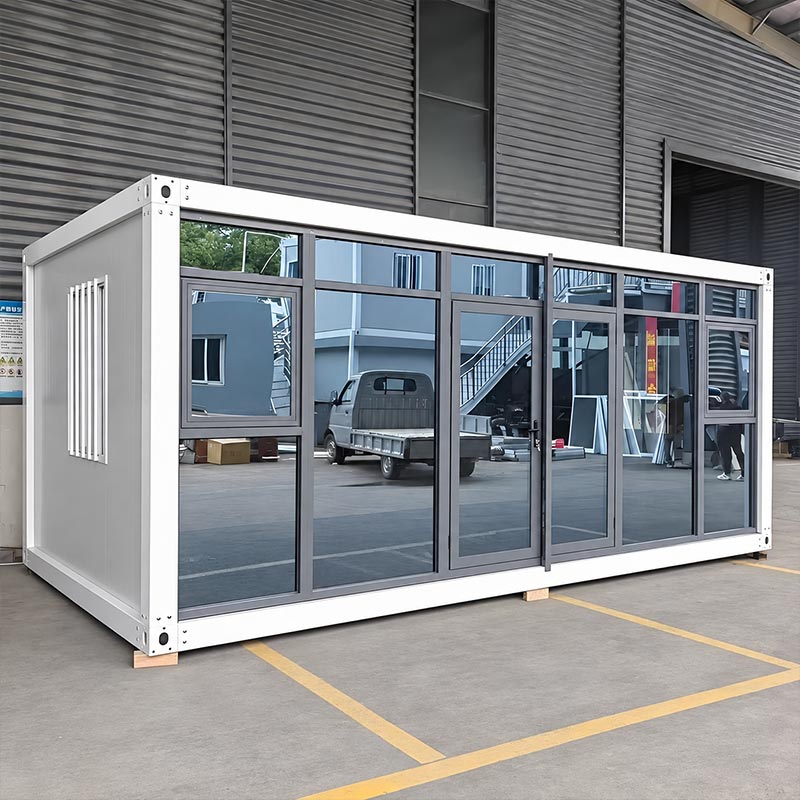
A large glazed wall may contain only a small opening section, or none at all. Ask the drawing to identify the parts which open and how they operate. Check handles, screens and furniture clearances at the same time. Do not count the whole visible glass area as available natural ventilation. Views, daylight and airflow overlap in design decisions, but each needs its own practical check against the selected window arrangement.
Control Dust Without Turning the Room Into a Cupboard
Dust control is easier when the entrance routine and storage arrangement work together. Keep outdoor footwear and dusty equipment close to the entrance, with a suitable place for cleaning them. Reduce unnecessary open displays in the areas that collect dust fastest. A few accessible shelves can be easier to maintain than many narrow ledges.
Check how outside conditions affect the room before deciding when to ventilate naturally. Nearby works, wind and dry ground can change the amount of dust entering. Clean intended screens and equipment filters according to their instructions, without blocking fresh-air openings. Use cleaning methods appropriate to the floor and wall finishes. If dust returns unusually quickly, look at the source and the entry route. Sealing every opening blindly can create ventilation problems while leaving the real source untouched.
Keep Claims About Comfort Tied to the Full Specification
Ask which wall, roof, floor, window and ventilation details support a comfort claim. A single material name or a general description cannot establish the behavior of every configuration and site. Where performance is a deciding factor, request relevant information for the specified assembly. Keep examples and illustrations separate from tested results. This lets you discuss the practical outcome you want without inventing a rating, a service life or a promised energy saving.
Make Small Water Marks Easy to Track
Photograph a water mark with enough surrounding detail to locate it, then note the weather and recent water use. Record whether it dries fully and whether it returns. Do not repeatedly paint over it or cover it with storage. Clear observations help distinguish possible sources and show whether an agreed repair made a difference. A single photograph without timing may show the symptom, while a short sequence can make the investigation much more focused.
Try the plan with a real routine
Imagine a household sharing the room across different daily schedules. On the sketch, show a longer layout with different activities distributed along the room. For this decision, take the first practical check literally: Choose a bed outside the main route. Then review keep water clear of cables. Finally, check afternoon conditions in sunny rooms. The exercise is useful only if it includes the belongings and activities normally present, rather than a permanently empty display room.
For a broader explanation, see An overview of prefabricated homes. Use general housing guidance alongside the selected product drawings and advice for the actual site.
For a layout question, compare the available customization options with the routine you want the room to support. Keep the question specific to the selected drawing and the way the space will be used.
How do I make a small home more comfortable for pets?
Choose a bed outside the main route. Keep water clear of cables.
What should the layout or specification confirm?
Confirm the actual room arrangement, openings and included equipment on the selected drawing. For this topic, check afternoon conditions in sunny rooms.
Can I judge this from an exterior photo alone?
A photo can help identify a useful question, but it does not show every dimension, option or site condition. Give pets a predictable resting place away from the busiest walkway.