


En esta página
In a folding container house, water on the inside of a window often comes from humid indoor air meeting a colder surface. Check whether the moisture is indoors, outdoors or between the panes before deciding what it means. Note when it appears and which activities came first. Showering, cooking and drying laundry can all add moisture, but a leak can also leave wet marks that need a different response.
Secar el área afectada y mejorar la rutina diaria de humedad mientras investiga la causa. Mantenga funcionando la ventilación del baño y la cocina y evite presionar firmemente los muebles o las telas almacenadas contra las esquinas frías. Una simple lectura de humedad puede hacer que las observaciones sean más útiles, pero no reemplaza la verificación de los detalles del edificio. Las zonas húmedas persistentes, los sellos dañados o la entrada repetida de agua merecen una inspección. Agregar aislamiento o sellar espacios sin comprender el movimiento de la humedad puede crear nuevos problemas, así que analice los cambios de materiales con alguien familiarizado con el sistema de paredes y techos.
Use a clean dry observation point and note exactly where droplets form. Water on the room-side glass, water outside the window and moisture trapped between panes are different observations. Record the time, recent shower or cooking use and the weather. This gives you something more useful than the general statement that the house is damp.
For an ordinary moisture routine, keep wet textiles drying appropriately and use the planned kitchen and bathroom ventilation. Leave affected surfaces accessible for inspection. If a mark returns after rain rather than after indoor moisture-producing activity, explain that distinction when asking for support. Do not assume one cause or add a new material layer to hide the symptom. The practical task is to understand the pattern, then choose an appropriate response for the actual window and building details.
El formato plegable se entrega en estado de transporte comprimido y se configura para su uso en el sitio. Su profundidad de transporte no debe confundirse con las dimensiones de la sala terminada. El Casa de contenedores plegable page es un lugar útil para comparar la configuración real.
Decida cuándo un pequeño problema necesita apoyo
Describe el problema antes de intentar solucionarlo. Tenga en cuenta qué cambió, cuándo comenzó y si el clima, el movimiento o el uso del equipo lo afectan. Una puerta que se engancha repentinamente, una marca de humedad recurrente o un nuevo ruido de servicio merece más atención que una marca cosmética que no ha cambiado. Las fotografías y una breve descripción clara ayudan al personal de soporte a hacer mejores preguntas.
Utilice las instrucciones de mantenimiento correctas y la ayuda competente adecuada para el trabajo involucrado. Evite abrir componentes eléctricos, alterar conexiones estructurales o cubrir daños por agua como experimento. Si una situación parece inmediatamente insegura, deje de utilizar el área o equipo afectado y busque la asistencia local adecuada. Mantener un registro del consejo y resultado de la reparación. El objetivo es resolver la causa a un nivel adecuado, no convertir a cada ocupante en un técnico de construcción.
Cambios de registro después del mantenimiento
Después de una reparación o ajuste acordado, observe lo que se hizo y si el síntoma original cambia. Utilice la misma posición de observación o rutina siempre que sea posible. Si el problema regresa, el registro ayuda a comprender su historial sin repetir la primera conversación. Mantenga dibujos alterados o detalles del equipo con los documentos originales. El mantenimiento se vuelve más útil cuando se registra el resultado, que cuando un mensaje simplemente dice que alguien visitó el sitio.
Realice un tutorial tranquilo sobre el primer uso
Tómese el tiempo para encontrar los controles, el almacenamiento y las posiciones operativas normales antes de una primera noche ocupada. Pruebe las puertas y ventanas, identifique dónde se guardan las instrucciones y confirme con quién contactar si tiene preguntas. Mantenga cualquier problema no resuelto en una lista clara. Evite invitar a visitantes antes de completar comprobaciones importantes de configuración y servicio. Un recorrido breve y sin prisas puede hacer que la habitación sea más fácil de usar y evitar que la incertidumbre ordinaria se confunda con una falla del producto.
Check Door and Window Seals Without Guesswork
Seals need to meet correctly when a door or window closes. Watch for visible damage, dirt in the contact area, a latch which needs unusual force or a new draught after relocation. Clean accessible contact surfaces gently using suitable materials. A loose object or accumulated dirt can sometimes affect closure without a seal itself being worn out.
Do not compensate for poor alignment by adding random layers of tape or foam. That can make the fitting harder to close and hide the cause. Record which opening is affected, when the issue occurs and whether it changes with weather. Ask for the correct replacement part and installation method where maintenance is needed. Keep intended drainage features clear, since a window can need both an effective seal and a way for water to leave its designed channel.
Haga que los controles sean comprensibles para un huésped primerizo
Mantenga un breve conjunto de información operativa relevante cerca de los controles o en una carpeta obvia. Explique el uso normal de iluminación, temperatura y ventilación sin abrumar a los visitantes con documentos técnicos. Conserve instrucciones completas del equipo para el mantenimiento. Si un control requiere una explicación complicada, revise si su ubicación o etiquetado se puede mejorar adecuadamente. Una habitación es más acogedora cuando los huéspedes pueden encontrar una luz y comprender la rutina de aire prevista sin enviar un mensaje para cada pequeña acción.
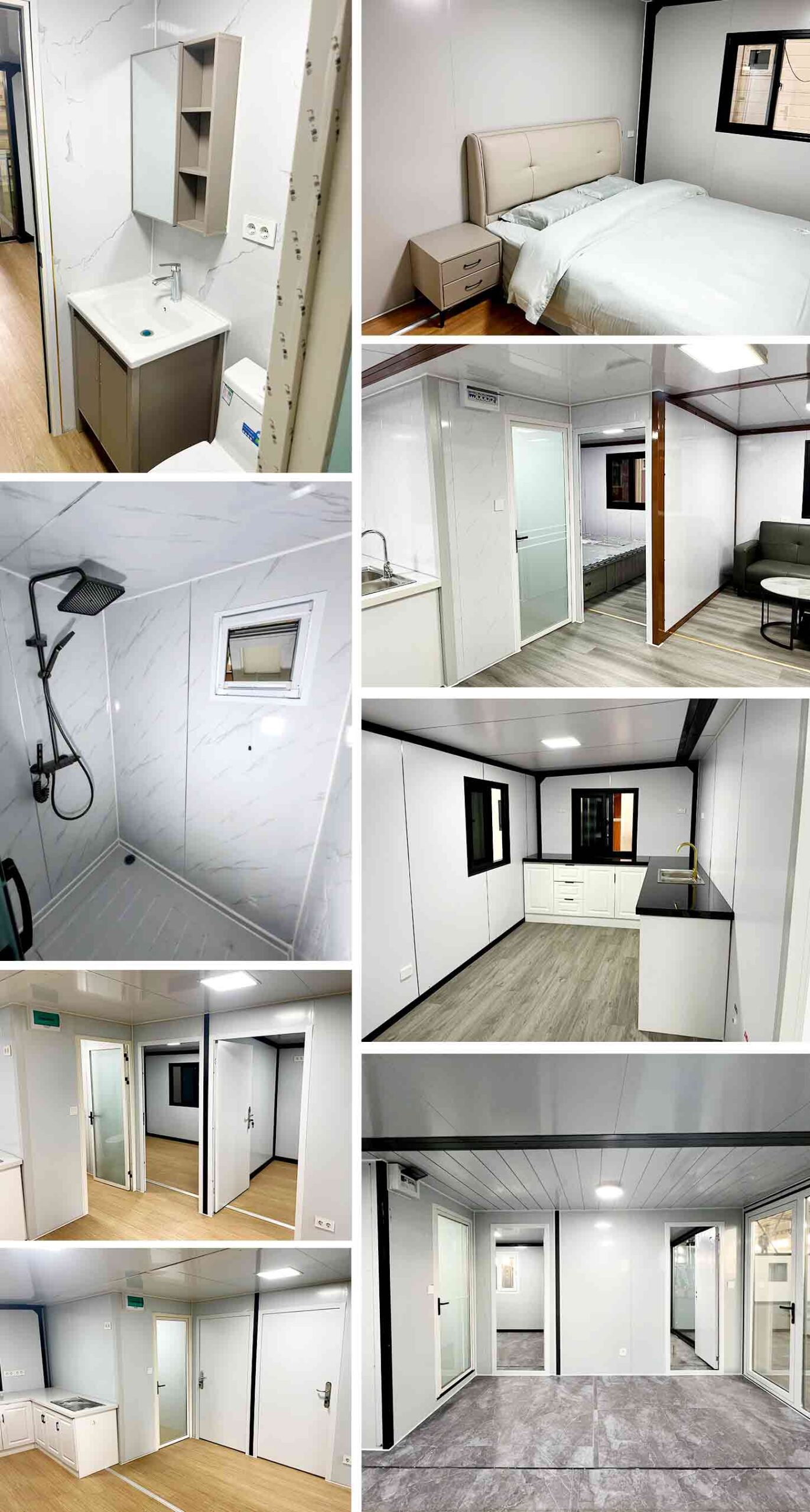
Get Better Airflow Through a Small Home
Air needs a route through the room. Two openings can be useful when air can travel between them, but a closed internal door, tall storage unit or tightly arranged furniture may interrupt that route. Look at the room as a path from an inlet to an outlet, and check which openings are actually operable rather than fixed glass.
The best window routine changes with outdoor conditions. Opening up may feel helpful when the outside air is cooler and suitable, but can bring in heat, humidity, smoke or dust at other times. Mechanical ventilation may be needed when natural airflow cannot meet the room's needs. An ordinary recirculating fan moves air around you but does not necessarily replace indoor air. Keep the ventilation plan separate from accidental gaps around doors: an uncomfortable draught is not a dependable fresh-air strategy.
Do Not Turn a Vent Into a Storage Shelf
Keep intended air openings clear of bags, furniture and stored supplies. A grille near the floor or in a cabinet can be easy to overlook when furnishing a small room. Mark these locations on the furniture plan and keep access for cleaning. If the room feels draughty, ask whether the opening is part of the designed ventilation before covering it. Randomly blocking it can exchange one discomfort for another and make the intended air path ineffective.
Mantenga las afirmaciones sobre la comodidad vinculadas a la especificación completa
Pregunte qué detalles de pared, techo, piso, ventana y ventilación respaldan un reclamo de comodidad. Un solo nombre de material o una descripción general no pueden establecer el comportamiento de cada configuración y sitio. Cuando el rendimiento sea un factor decisivo, solicite información relevante para el conjunto especificado. Mantenga ejemplos e ilustraciones separados de los resultados probados. Esto le permite analizar el resultado práctico que desea sin inventar una calificación, una vida útil o un ahorro de energía prometido.
Un breve control antes de decidir
- Locate the water precisely.
- Record timing and indoor activities.
- Investigate persistent wet patches rather than treating every mark as condensation.
Utilice un día normal como prueba
Imagine someone using a compact room for a longer temporary stay. On the sketch, show a straightforward single-room arrangement with compact circulation. For this decision, take the first practical check literally: Locate the water precisely. Then review record timing and indoor activities. Finally, investigate persistent wet patches rather than treating every mark as condensation. The exercise is useful only if it includes the belongings and activities normally present, rather than a permanently empty display room.
| Cuándo mirar | Qué comprobar |
|---|---|
| Antes de elegir el arreglo | Locate the water precisely. |
| Al probar el uso diario | Record timing and indoor activities. |
| Antes de realizar un cambio fijo | Investigate persistent wet patches rather than treating every mark as condensation. |
Para una explicación más amplia, consulte Guía de condensación desde YourHome. Utilice orientación general sobre vivienda junto con los dibujos y consejos del producto seleccionado para el sitio real.
Para una pregunta sobre diseño, compare el opciones de personalización disponibles con la rutina quieres que la habitación te apoye. Mantenga la pregunta específica del dibujo seleccionado y la forma en que se utilizará el espacio.
How do I understand window condensation before making changes?
Locate the water precisely. Record timing and indoor activities.
¿Qué debe confirmar el diseño o especificación?
Confirm the actual room arrangement, openings and included equipment on the selected drawing. For this topic, investigate persistent wet patches rather than treating every mark as condensation.
¿Puedo juzgar esto solo por una foto exterior?
A photo can help identify a useful question, but it does not show every dimension, option or site condition. Water on the inside of a window often comes from humid indoor air meeting a colder surface.