
En esta página
In a 40ft expandable container house, before changing a partition or adding furniture, describe what has changed in daily life. A new work routine, a longer guest stay or a different mobility need may call for a different solution. Try reversible moves first: rearranging furniture, changing storage allocation or moving a task light. Keep the main route and the most-used service areas available.
Distinguir los muebles móviles de partes del edificio. Un nombre modular no significa que se puedan quitar todas las paredes o ampliar todas las aberturas. Pregunte sobre la estructura real, los servicios y el método de modificación aprobado antes de cambiar los componentes fijos. Registre el diseño original y cualquier cambio acordado para que el mantenimiento posterior siga siendo comprensible. Una habitación flexible suele ser una con algunas zonas claras y almacenamiento accesible, en lugar de una llena de complicados muebles transformadores que a nadie le gusta operar.
Suppose the room begins serving daily work after being used mainly for guests. List the new activities and the equipment which needs to remain ready. Try a movable desk, changed storage allocation or a different seat position before assuming that a partition must be installed.
Keep the building and furniture questions separate. A fixed wall or service route cannot be treated like a movable shelf simply because the product is modular. Ask about the actual alteration limits and update relevant records after an agreed change. The most useful adaptation may be small: a better place for documents, a clearer route or lighting which can be used independently. Let the changed routine identify the need before choosing the permanent solution.
El nombre de un producto de 40 pies es una etiqueta de tamaño, no un plano de planta completo. Verifique la disposición de las habitaciones seleccionadas, las dimensiones claras reales y las ubicaciones de servicio antes de asignar actividades separadas. El Casa de contenedores expandible de doble ala de 40 pies page es un lugar útil para comparar la configuración real.
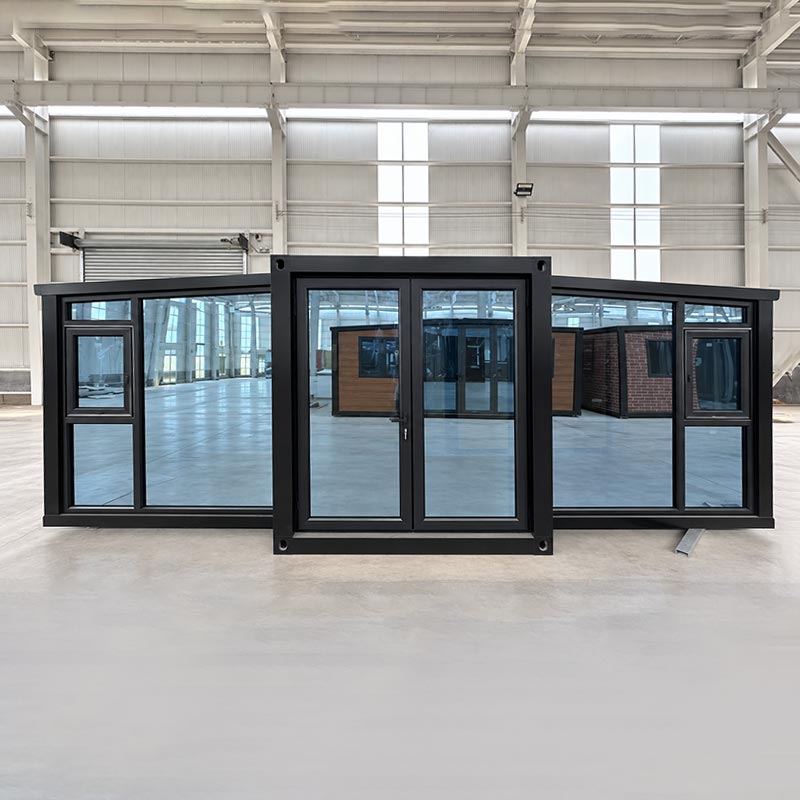
Review a Layout Before It Becomes Expensive to Change
Review the plan through a normal day, from waking up to going to bed. Mark where people stand, sit, open doors, store belongings and use services. Then review an inconvenient day: rain, a guest visit, wet laundry or someone working while another person rests. These scenarios often reveal conflicts which a tidy furnished drawing hides.
Mantenga los comentarios específicos y vinculados a la revisión actual. En lugar de decir que la cocina se siente pequeña, identifique la superficie de preparación faltante o el conflicto de la puerta. Solicite que el dibujo revisado muestre los cambios acordados, incluidos los enchufes y el equipo instalado cuando corresponda. Resuelva las dimensiones sin respuesta antes de aprobarlas mediante suposición. Una revisión breve y cuidadosa en esta etapa es más fácil que descubrir después de la entrega que una silla favorita bloquea la única ruta práctica a través de la sala de estar.
Deje espacio para reemplazar el equipo más tarde
El acceso al servicio incluye la ruta para retirar y reemplazar un artículo, no solo llegar a sus controles. Un refrigerador o calentador de agua puede quedar atrapado detrás de muebles posteriores o una puerta modificada. Revise la ruta antes de instalar gabinetes permanentes. Cuando un diseño es compacto, pregunte cómo se pretende mantener el equipo instalado a lo largo del tiempo. Un recinto atractivo sólo es útil si el equipo puede funcionar con las autorizaciones requeridas y ser alcanzado cuando se necesita atención.
Deje un lugar de aterrizaje para las cosas que lleva
Deje una bolsa de compras antes de abrir una puerta interna en su diseño imaginado. Si no hay ningún lugar adonde ir, agregue una pequeña superficie de aterrizaje o un estante accesible cerca de la entrada. Mantenga esa superficie útil limitando permanentemente lo que queda en ella. Las llaves y un teléfono pueden tener una bandeja poco profunda, mientras que una bolsa más grande necesita un lugar estable que no ocupe la ruta a través de la casa. Esta es una pequeña comodidad diaria que un total de superficie no puede describir.
Think About Reuse Beyond the Word Portable
Reuse depends on the building remaining useful and in suitable condition, not just on its ability to be moved. Consider maintenance, adaptable furnishings, accessible services and the next likely use. A room which can change from guest accommodation to a quiet workspace may stay valuable without any structural alteration.
Keep drawings, equipment details and maintenance records so a later owner or installer understands the unit. When relocation is considered, assess the new site and the model-specific transport process. Do not assume unlimited folding cycles, a fixed lifespan or a guaranteed environmental saving without relevant evidence. Careful repair and sensible adaptation can support reuse, while avoidable damage or hidden service changes can make it harder. The practical question is what will let this particular room remain useful over time.
Realice un tutorial tranquilo sobre el primer uso
Tómese el tiempo para encontrar los controles, el almacenamiento y las posiciones operativas normales antes de una primera noche ocupada. Pruebe las puertas y ventanas, identifique dónde se guardan las instrucciones y confirme con quién contactar si tiene preguntas. Mantenga cualquier problema no resuelto en una lista clara. Evite invitar a visitantes antes de completar comprobaciones importantes de configuración y servicio. Un recorrido breve y sin prisas puede hacer que la habitación sea más fácil de usar y evitar que la incertidumbre ordinaria se confunda con una falla del producto.
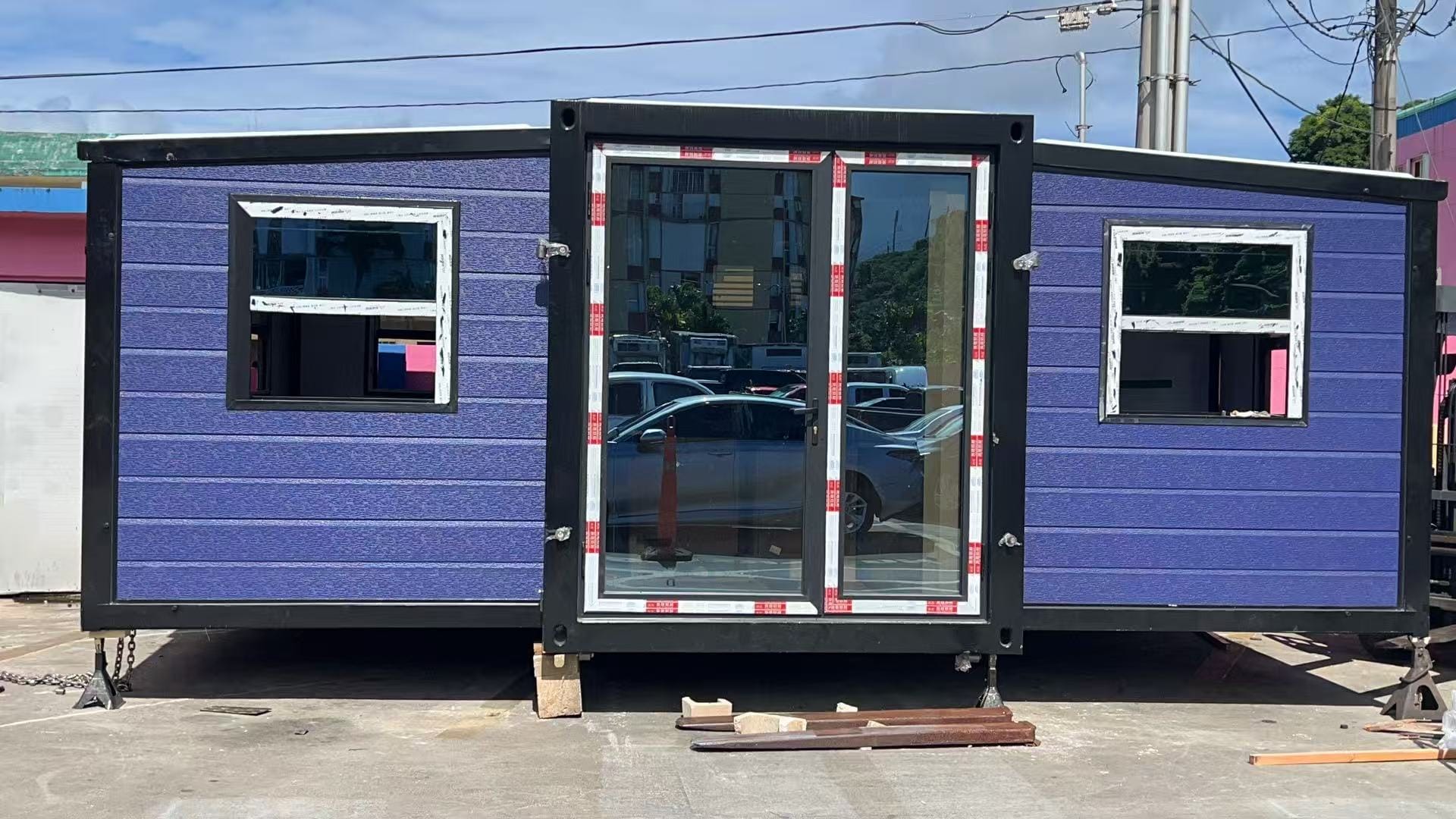
Find Storage That Does Not Take Over the Home
Useful storage begins with an inventory of the objects you reach for daily. Give shoes, keys, coats, food and cleaning equipment a place near the activity they support. A large cupboard at the far end of the room may offer impressive capacity while making ordinary routines inconvenient. Store frequent items between comfortable reach levels, and reserve less accessible space for light objects used occasionally.
Depth matters as much as total volume. Deep shelves can hide small items behind one another and turn a cupboard into wasted space. Shallow shelves, removable baskets and labeled boxes often make a modest unit more useful. Leave some spare capacity for the belongings that arrive after move-in. Do not pack possessions against ventilation grilles, service access panels or damp exterior corners. Before fixing shelves to a wall, confirm suitable fixing locations and allowable loads for that wall system.
Decide What a Successful First Month Looks Like
Describe success in ordinary terms: a clear entrance, a useful kitchen surface, dry towels, comfortable seating or a desk that stays ready. Review the room against those outcomes after a few weeks. Keep what works and adjust a specific repeated inconvenience. Avoid replacing furniture simply because the arrangement no longer resembles the original photograph. The room should improve with use as you learn which practical details matter most to its occupants.
Keep a Spare Chair From Becoming an Obstacle
An occasional chair needs a home when it is not being used. Check whether it can sit under a table, stack appropriately or move to an agreed corner without blocking circulation. Do not plan a room around the assumption that extra furniture will simply disappear during busy moments. If visitors are rare, a modest movable solution may be more convenient than a permanent large dining arrangement. Try both the everyday and visitor configurations at full size.
Un breve control antes de decidir
- Describe the changed routine.
- Test reversible furniture moves.
- Confirm building limits before altering fixed components.
Utilice un día normal como prueba
Imagine a household sharing the room across different daily schedules. On the sketch, show a longer layout with different activities distributed along the room. For this decision, take the first practical check literally: Describe the changed routine. Then review test reversible furniture moves. Finally, confirm building limits before altering fixed components. The exercise is useful only if it includes the belongings and activities normally present, rather than a permanently empty display room.
| Cuándo mirar | Qué comprobar |
|---|---|
| Antes de elegir el arreglo | Describe the changed routine. |
| Al probar el uso diario | Test reversible furniture moves. |
| Antes de realizar un cambio fijo | Confirm building limits before altering fixed components. |
Para una explicación más amplia, consulte Vivienda habitable y adaptable desde YourHome. Utilice orientación general sobre vivienda junto con los dibujos y consejos del producto seleccionado para el sitio real.
Para una pregunta sobre diseño, compare el opciones de personalización disponibles con la rutina quieres que la habitación te apoye. Mantenga la pregunta específica del dibujo seleccionado y la forma en que se utilizará el espacio.
How do I adapt the room when daily needs change?
Describe the changed routine. Test reversible furniture moves.
¿Qué debe confirmar el diseño o especificación?
Confirm the actual room arrangement, openings and included equipment on the selected drawing. For this topic, confirm building limits before altering fixed components.
¿Puedo juzgar esto solo por una foto exterior?
A photo can help identify a useful question, but it does not show every dimension, option or site condition. Before changing a partition or adding furniture, describe what has changed in daily life.